
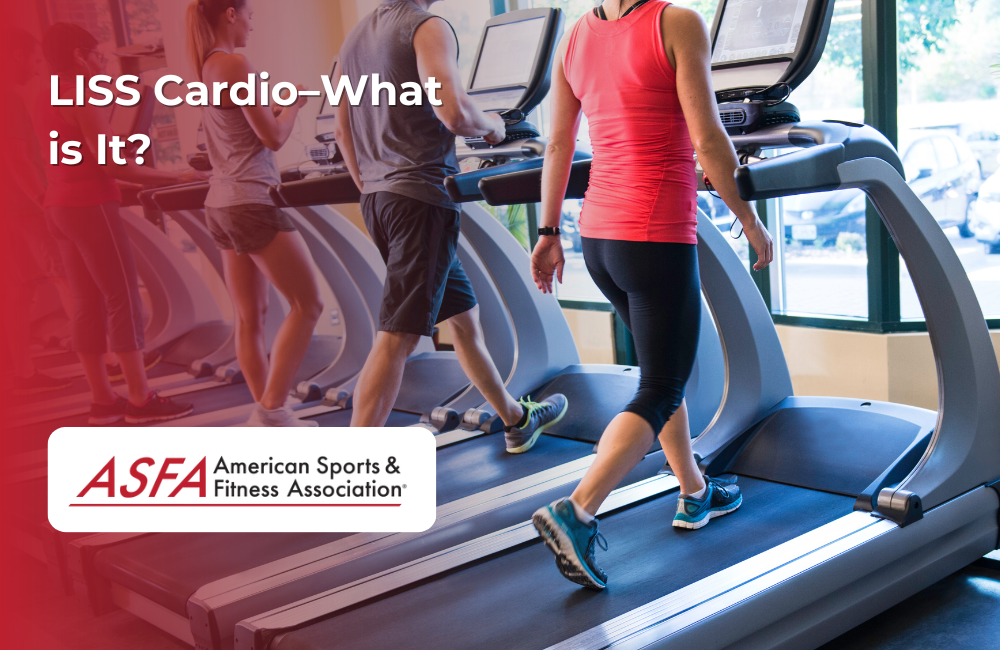
LISS Cardio–What is It?
There is more to LISS Cardio–What is It? than one rule. Context determines which details deserve attention.
Fitness advice becomes useful when it can be applied consistently. The best option is usually the one that fits the goal, equipment, experience, and recovery available. That is where the details become useful.
Before You Progress
Keep in mind: Use a starting workload that can be repeated with consistent technique. The most useful progression is often modest: an extra repetition, a small load increase, or slightly more total work.
One of the most appealing aspects of LISS cardio is its low-impact nature, which significantly reduces the risk of injury. LISS is an excellent option for people of all fitness levels and ages.
Fitness experts and training guides consistently emphasize the benefits of lower-intensity workouts, not only for their fat-burning potential but also for their contribution to long-term cardiovascular health and endurance. LISS cardio can enhance your overall health and performance.
Definition of LISS Cardio
LISS cardio, or Low-Intensity Steady-State cardio, is a form of exercise that involves maintaining a consistent, low-intensity pace for an extended period, typically between 30 to 60 minutes. Unlike high-intensity workouts, LISS focuses on a steady pace, where the exercise intensity is kept at a moderate level, usually around 50-65% of your maximum heart rate.
Explanation of Low-Intensity Steady State Exercise
Low-Intensity Steady-State exercise, often abbreviated as LISS, is a type of aerobic activity that engages large muscle groups and relies on oxygen for fuel. This form of exercise is performed at a moderate intensity level, which is significantly lower than that of high-intensity interval training (HIIT).
Benefits of Incorporating LISS into a Workout Routine
Incorporating LISS cardio into your workout routine offers a multitude of health benefits, including:
- Improving cardiovascular health: Strengthens the heart and lungs, enhancing overall cardiovascular function.
- Increasing endurance and stamina: Builds long-term endurance, making it easier to perform daily activities and other forms of exercise.
- Burning fat and improving body composition: Helps in reducing body fat and improving muscle tone, contributing to a healthier body composition.
- Reducing the risk of chronic diseases: Lowers the risk of heart disease, stroke, and other chronic conditions by promoting a healthy lifestyle.
- Improving mental health: Reduces stress and anxiety, providing a mental health boost through regular, moderate exercise.
LISS Cardio Workout You Can Do from Home
One of the many benefits of LISS cardio workouts is that it can be performed almost anywhere, with little to no equipment. A liss cardio workout is a beginner-friendly method focusing on low-intensity steady-state exercises that promote cardiovascular health and endurance.
Swimming is another ideal LISS activity, offering a full- body workout that is especially beneficial for people with joint issues or limited mobility. The buoyancy of water reduces stress on your body while providing natural resistance, making it an excellent way to tone muscles and improve endurance.
Creating a Home Workout Space for LISS Cardio
Setting up a home workout space for LISS cardio is both easy and convenient. Here are some tips to help you get started:
- Choose a dedicated space: Select an area in your home, such as a living room or a designated home gym, where you can comfortably perform your workouts.
- Invest in essential equipment: A good pair of walking shoes is a must. Another consideration is that consider equipment like a stationary bike or treadmill to diversify your workouts.
- Find guided workouts: Utilize workout videos or apps that offer LISS cardio routines to keep you motivated and on track.
- Ensure a comfortable environment: Make sure your workout space has adequate lighting and ventilation to create a safe and pleasant exercise environment.
Sample Home Workout Routines for LISS
Here are some sample home workout routines for LISS cardio that you can easily incorporate into your daily routine:
- Brisk walking: Walk at a brisk pace around your neighborhood or on a treadmill for 30-60 minutes. This simple activity effectively raises your heart rate and engages your cardiovascular system.
- Cycling: Use a stationary bike or cycle around your neighborhood for 30-60 minutes. Cycling at a moderate pace helps build stamina while being gentle on the joints.
- Swimming: Swim laps in a pool or use a swim machine for 30-60 minutes. Swimming provides a full-body workout that is especially beneficial for those with joint issues.
- Dancing: Dance to your favorite music at a moderate pace for 30-60 minutes. Dancing is a fun and effective way to get your heart rate up and burn calories.
LISS Cardio at the Gym
For those who prefer to work out at the gym, there are a wide variety of machines that make it easy to incorporate LISS training into your routine. The elliptical trainer, rowing machine, and stair climber are all excellent choices for maintaining a steady, low-intensity workout.
Because LISS cardio relies on prolonged exertion, you can personalize your workout to meet your specific fitness goals, whether that’s increasing endurance, improving muscle tone, or simply burning calories. Many gym-goers use LISS as a complement to more intense workouts, allowing for recovery while still staying active.
The Role of Low Intensity Steady State in Injury Prevention and Recovery
Moderate intensity exercise, such as LISS cardio, can also play an important role in injury prevention and recovery. Due to its lower intensity and reduced impact on the body, LISS is ideal for individuals recovering from injuries or surgeries.
Another consideration is that LISS cardio can be used to prevent back and joint injuries, making it an excellent option for individuals prone to discomfort or chronic pain. Because the movements are controlled and the intensity is moderate, LISS helps strengthen muscles and improve stability without causing undue stress.
Conclusion: develop the Benefits of LISS Cardio and Take Your Fitness to the Next Level
Low-Intensity Steady State (LISS) cardio, often referred to as a LISS workout, is a versatile and effective way to improve your health, build endurance, and can support fat-loss goals when paired with an appropriate overall plan—all while minimizing the risk of injury. Its low-impact, steady-paced nature makes it accessible to people of all ages and fitness levels, whether you’re a beginner, recovering from an injury, or an experienced athlete.
By incorporating LISS into your regular workout routine, you’ll not only enhance your cardiovascular health but also enjoy long-term benefits such as improved endurance, better muscle tone, and a more sustainable approach to fat loss. Plus, with its ability to prevent and aid recovery from injuries, LISS cardio is a valuable tool for anyone looking to stay active safely and effectively.
A Necessary Safety Note
Exercise should be adjusted for the participant's experience, symptoms, environment, and available supervision. Stop for sharp pain, dizziness, chest discomfort, sudden weakness, or loss of control, and seek appropriate professional guidance when symptoms are persistent or concerning.
Where This Leaves the Decision
Good coaching leaves room for feedback. If the response does not match the goal, adjust the dose, range, exercise, or expectation.


