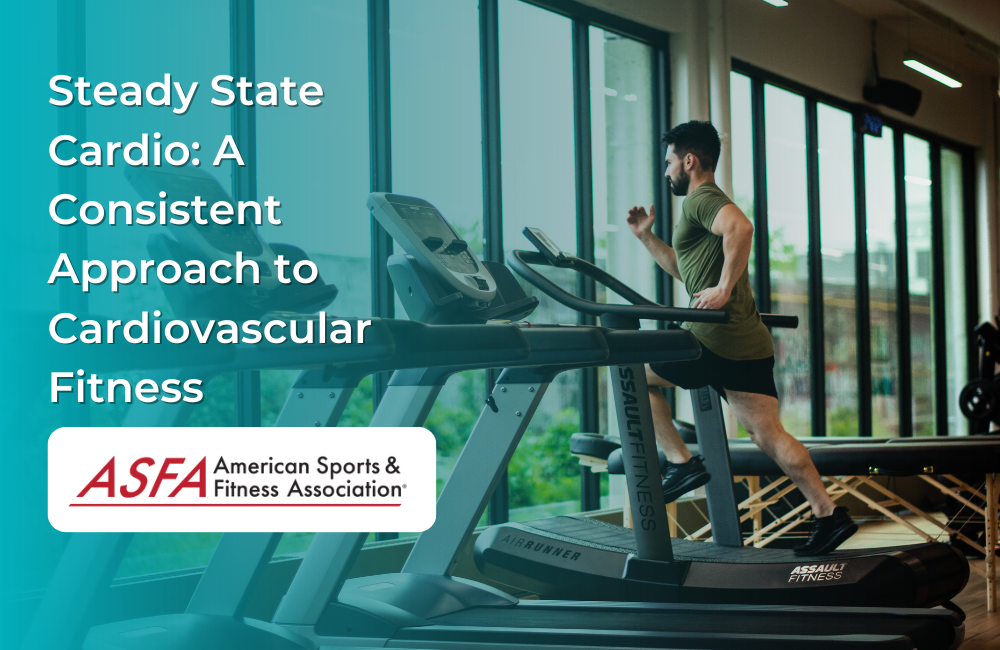
Steady State Cardio: A Consistent Approach
There is more to Steady State Cardio: A Consistent Approach than one rule. Context determines which details deserve attention.
Fitness advice becomes useful when it can be applied consistently. The best option is usually the one that fits the goal, equipment, experience, and recovery available. A simple rule helps: keep the goal visible and adjust the method.
Practical Guidance
Practical point: Use a starting workload that can be repeated with consistent technique. The most useful progression is often modest: an extra repetition, a small load increase, or slightly more total work.
Principles of Steady State Cardio
Steady state cardio is characterized by several key principles:
- Consistent Intensity: During a steady state cardio workout, the intensity level remains relatively constant. This means you maintain a consistent heart rate and effort level throughout the session.
- Aerobic Zone: Steady state cardio primarily operates within the aerobic zone, where your body uses oxygen to produce energy. This allows you to sustain your exercise for an extended period without fatigue.
- Sustained Duration: Steady state cardio sessions typically last for at least 20 to 30 minutes and can extend to an hour or more, depending on your fitness goals and fitness level.
- Moderate Intensity: The intensity level of steady state cardio is moderate, typically ranging from 50% to 70% of your maximum heart rate. This intensity level allows for increased endurance and fat burning.
Benefits of Steady State Cardio
Steady state cardio offers several benefits for overall health and fitness:
- Improved Cardiovascular Health: Regular steady state cardio workouts strengthen the heart, lower blood pressure, and improve overall cardiovascular health.
- Enhanced Endurance: Sustained aerobic exercise enhances your endurance by increasing your body's ability to use oxygen efficiently.
- Fat Burning: Steady state cardio is effective for burning calories and reducing body fat when combined with a healthy diet.
- Low Impact: Many forms of steady state cardio, such as swimming, cycling, and walking, are low-impact exercises, making them suitable for individuals with joint issues or injuries.
- Mental Clarity: Aerobic exercise is known to boost mood, reduce stress, and improve mental clarity.
- Stamina: Steady state cardio helps build stamina and can prepare you for longer endurance events like marathons or triathlons.
Examples of Steady State Cardio Exercises
There are various forms of steady state cardio exercises to choose from, depending on your preferences and fitness level. Some common examples include:
- Brisk Walking: A simple yet effective form of steady state cardio, walking at a moderate pace can be done almost anywhere.
- Jogging or Running: Running at a steady pace, typically at a conversational intensity, is a classic example of steady state cardio.
- Cycling: Riding a bike at a consistent speed on flat terrain or a stationary bike at the gym can provide an excellent steady state cardio workout.
- Swimming: Swimming laps at a moderate pace is a full-body workout that is easy on the joints.
- Elliptical Machine: Using an elliptical trainer at a constant resistance and pace is a popular choice for steady state cardio.
- Rowing: Rowing machines offer a low-impact way to engage in steady state cardio while working both the upper and lower body.
Incorporating Steady State Cardio into Your Routine
To make the most of steady state cardio and incorporate it into your fitness routine, consider the following tips:
- Choose an Activity You Enjoy: Pick an exercise that you find enjoyable, as this will increase your likelihood of sticking with it.
- Set Realistic Goals: Determine your fitness goals, whether it's improving endurance, burning calories, or enhancing cardiovascular health.
- Monitor Intensity: Use a heart rate monitor or the perceived exertion scale to ensure you're maintaining a moderate, steady intensity level.
- Progress Gradually: Start with a duration and intensity that matches your current fitness level, and gradually increase the intensity or duration over time.
- Combine with Other Types of Exercise: While steady state cardio offers numerous benefits, it's essential to include a variety of exercises, including strength training and flexibility work, in your fitness routine for a well-rounded approach to fitness.
The Useful Conclusion
The best application is specific enough to guide action and flexible enough to change when the person or circumstances change.
Safety and Scope
Exercise should be adjusted for the participant's experience, symptoms, environment, and available supervision. Stop for sharp pain, dizziness, chest discomfort, sudden weakness, or loss of control, and seek appropriate professional guidance when symptoms are persistent or concerning.