
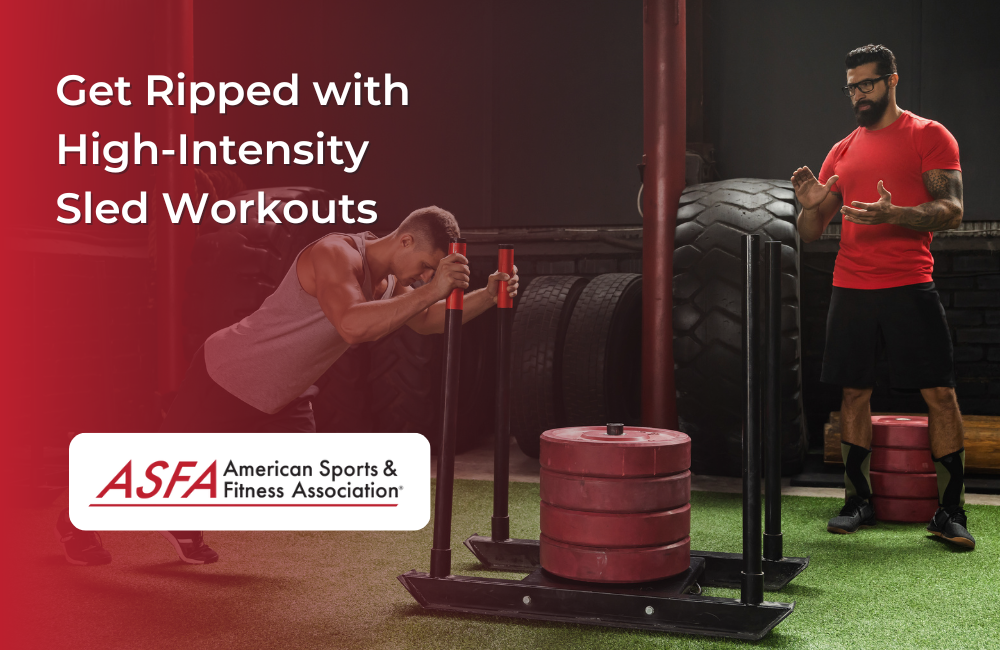
Get Ripped with High-Intensity Sled Workouts
There is more to Get Ripped with High-Intensity Sled Workouts than one rule. Context determines which details deserve attention.
Physique training rewards consistency, but it also invites shortcuts and overconfident claims. The practical details matter more than the hype. Small setup choices can change the experience considerably.
Important Boundaries
Keep in mind: Use contest-preparation tactics only when they have a defined purpose and qualified oversight. Rapid changes to fluids, electrolytes, energy intake, or supplements can carry risk and should not be treated as routine fat-loss advice.
Why Sled Workouts Are a useful option
When it comes to functional training, sled workouts offer unique advantages that other forms of exercise simply can’t match. Unlike traditional weight training, sled workouts require you to engage multiple muscle groups simultaneously, improving overall muscle coordination and synergy.
Also, sled workouts are versatile. Whether you’re focusing on strength, speed, or endurance, the sled can be adapted to meet your specific training goals.
Types of Sled Exercises
- Sled Pushes: The classic sled exercise where you push the sled forward with explosive power, engaging your legs, glutes, and core. This exercise is highly effective as a leg workout, enhancing leg strength and conditioning.
- Sled Pulls: Attach a harness to the sled and pull it behind you. This targets your posterior chain, including the hamstrings, glutes, and lower back.
- Sled Drags: Facing the sled, pull it towards you using a rope or straps, engaging your upper body, especially the shoulders, arms, and back.
- Sled Sprints: Perform short, high-speed pushes with a lighter sled to focus on speed and explosiveness, perfect for sprinters and athletes.
- Reverse Sled Pulls: Walk backward while pulling the sled, which targets the quads and helps improve knee stability.
Setting Up Your Sled
First, start by loading the sled with the desired weight and deciding how many rounds you want to complete. Make sure that the weight is appropriate for your fitness level so you don’t overdo it.
For safety and effectiveness, always push the sled on a flat surface. This ensures proper form and helps prevent strain during the exercise.
Common Mistakes to Avoid
- Using Too Much Weight: While it’s tempting to load up the sled with heavy weights, this can compromise your form and increase the risk of injury. Start with a manageable weight and focus on proper technique before adding more plates.
- Poor Posture: Avoid slouching or arching your back. Keep your spine neutral, shoulders back, and core engaged to maximize efficiency and prevent strain.
- Neglecting Warm-Up: Sled workouts are intense, so remember to warm up thoroughly with dynamic stretches and light cardio to prepare your muscles and joints for the effort ahead.
Increased Strength Gains
Sled pushes are excellent for building strength across multiple muscle groups. This exercise contributes to full body strength, enhancing performance and aiding in calorie burning.
Improved Aerobic Fitness
Sled workouts are a great way to get your heart rate up and increase your overall cardiovascular endurance. When you push the sled, your body is working against the weight and resistance of the sled, resulting in a harder workout than if you were just running or jogging on your own.
The resistance of the sled puts your muscles to work in ways that they wouldn't be while performing traditional exercises like squats and lunges. The result is that you'll be building stronger, more powerful muscles over time.
Increased Calorie Burn with Full Body Workout
Pushing a weighted sled is no easy feat and it can lead to some serious calorie burning. Depending on how much weight you're pushing and how hard you're pushing it, you can burn upwards of 400-500 calories in just one session.
Use Proper Form
Proper form is essential to get the most out of your sled workout. Remember to keep your back straight and your core engaged throughout the exercises.
Allow Time for Recovery
Recovery is just as important as the workout itself. Allow yourself time to rest in between sets and take breaks as needed.
Sample Sled Workout Plan
To get you started, here’s a sample sled workout plan that you can incorporate into your training routine. Sled pushing is a high-intensity exercise that offers comprehensive benefits for strength, speed, and calorie burning.
Main Workout (30-40 Minutes)
- Sled Push (Heavy Load): Distance: 30 yards
- Reps: 4
- Rest: 60 seconds between each rep
- Sled Pull (Moderate Load with Harness): Distance: 30 yards
- Sled Sprint (Light Load): Distance: 40 yards
- Reps: 5
Final Thoughts on Your Training Program
Sled workouts are not only a great way to build strength and endurance, but they also offer a variety of other benefits, such as improved coordination, increased calorie burn, and enhanced mental toughness. By incorporating sled workouts into your fitness routine, you can challenge yourself in new ways and achieve the results you're looking for.
Put It Into Practice
Good coaching leaves room for feedback. If the response does not match the goal, adjust the dose, range, exercise, or expectation.

Give the Idea a Clear Job
Applying the ideas in Get Ripped with High-Intensity Sled Workouts starts with a clear training objective rather than copying a movement, drill, or weekly schedule without context.
Decide whether the priority is skill, strength, muscle development, mobility, work capacity, or general activity. That choice affects exercise order, range of motion, resistance, repetitions, rest, and frequency. A program becomes harder to evaluate when several goals are pursued in the same set without a clear priority.
Keep the Application From Drifting
- Choosing the hardest variation before the base movement is controlled.
- Increasing load, repetitions, range, and frequency at the same time.
- Using fatigue or soreness as the only evidence of an effective session.
- Forcing a standardized range or stance when another controlled setup better fits the participant.
The goal is not perfect control of every variable. It is enough consistency to make an informed next decision.
A Simple Implementation Check
- Which variation allows the intended technique today?
- What load, range, tempo, and rest will be recorded?
- What sign will indicate that the set or session should stop?
- Which single variable may progress next?
- How will this work fit with the rest of the week?
- What is the primary training objective?
If those questions have clear answers, the guidance is more likely to produce a plan that can be followed and evaluated.
What to Change—and What to Keep Stable
Small programming changes can make the same movement serve a different purpose. Slower repetitions increase time under tension; longer rest may preserve force; shorter rest changes the conditioning demand; additional range can increase difficulty even without more weight.
- Progress only while the intended movement pattern remains recognizable.
- Choose the variable that best matches the current goal.
- Record enough detail to repeat the session accurately.
- Do not treat fatigue as proof that the exercise was well selected.


