
Exercise to Optimize Sports Performance
Viewed practically, Exercise to Optimize Sports Performance should change a decision in training, coaching, or day-to-day operations.
Strength and conditioning works when training stress is planned, measured, and adjusted. Exercise selection matters, but sequencing and recovery matter just as much. The next sections turn that principle into specific decisions.
Improve Your Endurance and Stamina
One of the most significant benefits of regular exercise is an improvement in endurance and stamina. Endurance refers to your body’s ability to sustain physical activity over time without getting overly fatigued.
If you’re just starting out, it’s recommended to ease into cardiovascular training by aiming for 30 minutes of moderate activity most days of the week. As your fitness improves, you can gradually increase the duration and intensity of your sessions to challenge your body further.
Enhance Your Mental Focus
Mental focus is just as important as physical strength when it comes to excelling in sports. The ability to concentrate on a task, remain calm under pressure, and make quick decisions can be the difference between winning and losing.
Mental focus is especially critical during competition, where distractions and stress can easily take you off your game. Establishing a consistent sleep routine can enhance sleep quality, which in turn helps maintain mental focus during competition.
Improve Balance, Agility, and Reaction Time
Balance, agility, and reaction time are fundamental skills for nearly every athlete, from basketball players to gymnasts. These attributes allow you to move efficiently, change direction quickly, and react swiftly to opponents or obstacles in your environment.
For instance, balance exercises like single-leg squats, stability ball exercises, and yoga can help strengthen the stabilizing muscles around your joints, making you more stable and less likely to fall or get injured. Agility drills, such as cone drills, ladder drills, or side shuffles, teach your body to move quickly and efficiently in multiple directions.
Exercise Enhances Athletic Performance in Three Key Ways
Exercise enhances athletic performance in three main ways: by increasing strength and endurance, reducing stress and anxiety, and improving mental focus. Here’s how each of these areas plays a role in making you a better athlete:
- Strength and Endurance: Exercise increases your physical strength and endurance, allowing you to perform at a higher level for longer periods. Incorporating a varied workout routine is important for increasing strength and endurance, as it prevents plateaus and keeps you engaged.
- Reduced Stress and Anxiety: Physical activity has been proven to reduce stress and anxiety, which are common in competitive sports. When you feel less stressed, you’re better able to focus on the task at hand and perform under pressure.
- Improved Mental Focus: Regular exercise sharpens your mental focus, allowing you to make quick decisions, stay concentrated on your goals, and execute your skills more effectively during competition.
It Reduces Stress and Anxiety During Competition
Competition can be stressful, but regular exercise can help you manage that stress more effectively. Physical activity boosts endorphins, which are the brain’s natural mood enhancers, helping you feel more relaxed and positive.
Mental resilience, or the ability to handle stress, is a huge advantage in competitive sports. Exercises that combine physical exertion with mental challenges—such as interval training or team-based drills—can help prepare you for the mental demands of competition, giving you the tools to stay focused and composed when it matters most.
Exercise Makes You Stronger, More Flexible, and Teaches You to Handle Pressure
When you engage in regular exercise, you’re not just improving your physical health—you’re also building mental toughness. Exercise releases endorphins, which boost your mood and reduce feelings of stress and anxiety.
Sample Weekly Workout Plan to Optimize Sports Performance
This weekly workout plan is designed to target key areas of athletic performance, including strength, endurance, agility, balance, and mental focus. The plan includes a mix of resistance training, cardio, agility drills, and flexibility work to help you become a more well-rounded athlete.
Rest and Recovery Strategies
Rest and recovery are integral components of any effective training program. They allow your body to repair and adapt to the physical demands of exercise, helping to help manage injury risk and promote peak performance.
Several strategies can enhance rest and recovery:
- Adequate Sleep: Aim for 7-9 hours of sleep per night to support physical recovery and repair.
- Rest Days: Incorporate 1-2 rest days per week to allow your body to recover and adapt.
- Active Recovery: Engage in low-intensity activities, such as yoga or light cardio, to promote blood flow and aid in the removal of waste products.
- Recovery Techniques: Utilize techniques like foam rolling, stretching, and self-myofascial release to promote muscle recovery and reduce soreness.
Recovery Techniques for Optimal Performance
Incorporating effective recovery techniques into your training program is essential for promoting optimal performance. These techniques can help reduce muscle soreness, improve flexibility, and enhance blood flow, ensuring you recover efficiently and perform at your best.
Consider the following recovery techniques:
- Foam Rolling: Foam rolling can promote blood flow and aid in the removal of waste products, helping to reduce muscle soreness.
- Stretching: Regular stretching can improve flexibility and alleviate muscle tightness.
- Self-Myofascial Release: Techniques like self-myofascial release can promote muscle recovery and reduce soreness.
- Compression Garments: Wearing compression garments can improve blood flow and reduce muscle soreness.
- Contrast Showers: Alternating between hot and cold water in contrast showers can promote blood flow and aid in the removal of waste products.
Monday – Strength and Power
Focus: Lower Body Strength and Power
- Warm-up: 10 minutes of dynamic stretching and mobility work (leg swings, hip circles, walking lunges). Including functional exercises in your warm-up routine is important for improving overall performance and preventing injuries.
- Barbell Squats: 4 sets of 8 reps
- Deadlifts: 4 sets of 6 reps
- Bulgarian Split Squats: 3 sets of 10 reps per leg
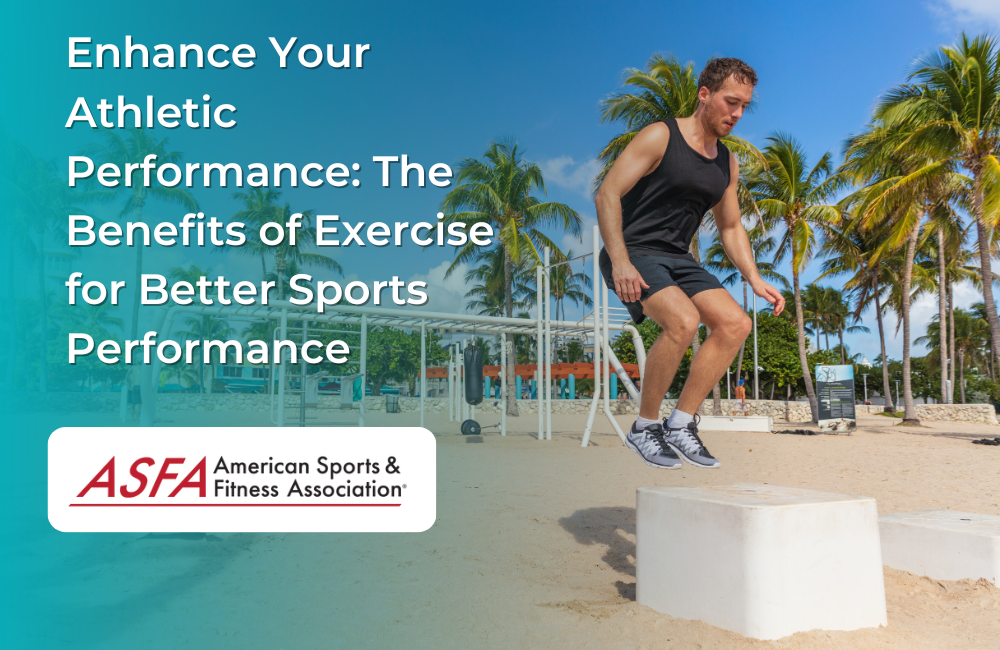
- Box Jumps: 3 sets of 12 reps
- Glute Bridges: 3 sets of 15 reps
Wednesday – Agility and Speed
Focus: Agility, Speed, and Quickness
- Warm-up: 5–10 minutes of jump rope or dynamic warm-up. Including functional exercises in the warm-up can enhance overall performance by focusing on movements relevant to sports and activities.
- Agility Ladder Drills: 4 sets of 4 different drills (high knees, in-and-out shuffle, lateral shuffle)
- Cone Drills: 5 rounds of “T” drill or shuttle drill (focus on fast direction changes)
- Lateral Bounds: 3 sets of 15 reps per side
- Reaction Time Drill: 3 rounds of partner reaction drills (catch a dropped ball or chase after a thrown object)
- Cool-down: 5–10 minutes of light cardio and stretching
Friday – Flexibility and Mobility
Focus: Flexibility, Mobility, and Recovery
- Warm-up: 5–10 minutes of light cardio (walking or jogging)
- Yoga Session: 45-minute flow focusing on hip mobility, hamstring flexibility, and shoulder opening (downward dog, pigeon pose, warrior poses)
- Psoas Stretch and Release: Hold each stretch for 30–60 seconds per side
- Foam Rolling: 10–15 minutes, focusing on sore or tight areas (quads, calves, upper back)
- Remember, adequate recovery time is important for maintaining flexibility and mobility, as it helps may help manage injury risk and aids in muscle healing.
Saturday – Sport-Specific Drills
Focus: Sport-Specific Skills and Conditioning
- Warm-up: 5–10 minutes of light cardio, followed by dynamic stretches. Incorporating a structured conditioning program can significantly enhance the effectiveness of sport-specific training.
- Drills based on your sport: Examples include dribbling, passing, shooting for basketball; striking, dodging for martial arts; or ball control drills for soccer
- High-Intensity Interval Training (HIIT): 20–30 minutes of circuit training involving push-ups, burpees, and jump squats
- Cool-down: 10 minutes of light cardio and stretching
Conclusion: Exercise for Better Sports Performance
Exercise is one of the best ways to improve your sports performance. It helps build strength, increase endurance, sharpen your mental focus, and teach you how to handle the pressure of competition.
maintaining a varied workout routine is important for enhancing sports performance. Incorporating different types of exercises prevents monotony, keeps you engaged, and contributes to better overall athletic performance.
So whether you’re gearing up for a competition or just looking to push your physical limits, start incorporating exercise into your routine today and watch your performance reach new heights.
Programming Considerations
Programming note: Match volume and intensity to the training phase and the athlete's recent workload. Record enough information to distinguish a hard session from a pattern of poor recovery.
The Practical Takeaway
Treat the method as a tool, not an identity. Keep what improves the plan and remove what does not.
Limits and Safety
Exercise should be adjusted for the participant's experience, symptoms, environment, and available supervision. Stop for sharp pain, dizziness, chest discomfort, sudden weakness, or loss of control, and seek appropriate professional guidance when symptoms are persistent or concerning.


