
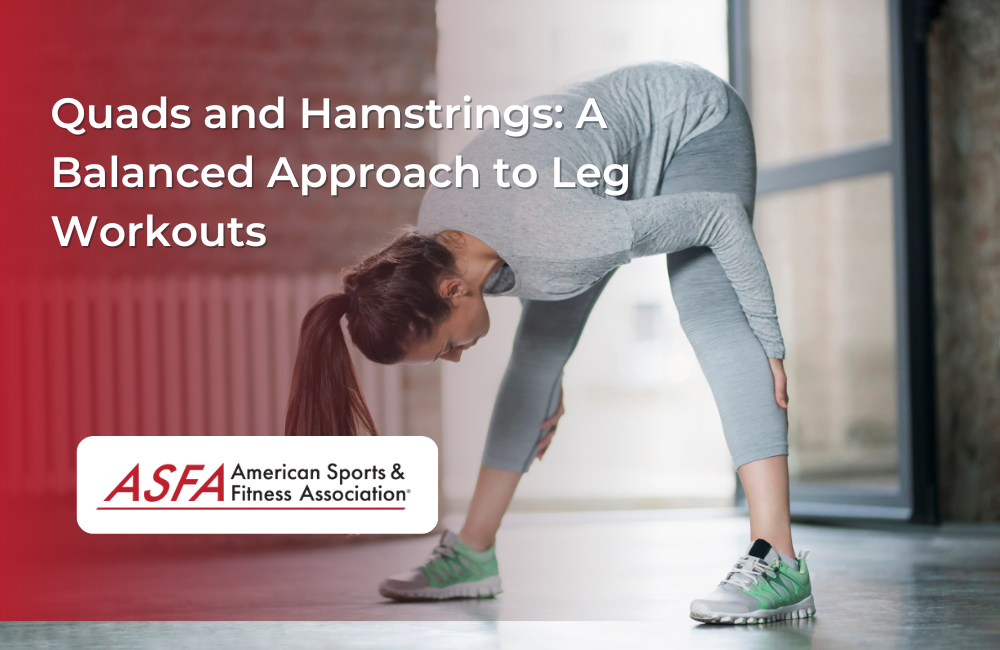
Quads and Hamstrings: A Balanced Approach to Leg Workouts
There is more to Quads and Hamstrings: A Balanced Approach to Leg Workouts than one rule. Context determines which details deserve attention.
Balance is a trainable skill influenced by strength, sensory information, attention, and the specific task. Progression should be deliberate, not theatrical. A simple rule helps: keep the goal visible and adjust the method.
Practical Guidance
Practical point: Place support within reach, clear the area, and progress one variable at a time. Closing the eyes, narrowing the stance, adding motion, and using an unstable surface should not all be combined at once.
Hamstrings
The hamstrings are located in the back of the thigh and consist of three muscles:
- Biceps Femoris
- Semitendinosus
- Semimembranosus
The primary functions of the hamstrings are knee flexion (bending the knee) and hip extension (moving the leg backward). These muscles are critical for explosive movements like sprinting, jumping, and quick changes in direction.
The Importance of Balanced Training for Quads and Hamstrings
Balanced training of the quadriceps and hamstrings is essential for:
- Injury prevention: An imbalance between these two muscle groups can increase the risk of injuries, particularly to the knees and lower back.
- Improved athletic performance: Strong, well-developed quads and hamstrings are critical for running, jumping, and other athletic movements.
- Posture and stability: Both muscle groups work together to stabilize the knees, hips, and pelvis, which is useful for proper posture and movement mechanics.
Benefits of Balanced Development for Overall Leg Strength
Achieving balanced development of the quadriceps and hamstring muscles is essential for overall leg strength and knee joint stability. When one muscle group is stronger than the other, it can lead to muscle imbalances, increasing the risk of injury and affecting performance.
- Improved Knee Joint Stability: Strong and balanced quadriceps and hamstrings work together to stabilize the knee joint, reducing the risk of injuries such as ACL tears and hamstring strains.
- Enhanced Athletic Performance: Balanced muscle development ensures that both muscle groups can contribute effectively to movements, improving speed, agility, and power.
- Reduced Risk of Injury: By preventing muscle imbalances, you lower the likelihood of overuse injuries and strains.
- Improved Overall Leg Strength: Balanced training promotes comprehensive leg strength, enhancing your ability to perform various exercises and activities.
- Better Movement Patterns and Coordination: Balanced muscles support proper movement mechanics, reducing compensatory patterns that can lead to injury.
Signs and Symptoms of Imbalances in Quadriceps and Hamstring Muscles
Recognizing the signs and symptoms of muscle imbalances can help you take corrective action. Common indicators include:
- Muscle Weakness or Tightness: Disparities in strength or flexibility between the quadriceps and hamstrings.
- Poor Movement Patterns or Coordination: Difficulty performing exercises or activities smoothly.
- Increased Risk of Injury: Higher likelihood of experiencing strains, sprains, or other injuries.
- Pain or Discomfort: Discomfort in the knee joint or surrounding muscles during or after activity.
- Limited Range of Motion or Flexibility: Restricted movement in the knee or hip joints.
Common Mistakes in Leg Training
One of the most common mistakes in leg training is placing too much emphasis on quadriceps-dominant exercises while neglecting the hamstrings. This is largely due to the visual prominence of the quads and the popularity of exercises like squats, lunges, and leg presses, which target the front of the thigh.
Lack of Functional Movements
Another common mistake is focusing on traditional weightlifting movements without incorporating functional exercises that mimic real-life movement patterns. Movements such as sprints, jumps, and lateral movements are important for athletes and anyone looking to improve performance and help manage injury risk.
Hamstring Function in Sports
In sports that involve sprinting, jumping, and quick directional changes (like soccer, basketball, and tennis), hamstring strength is critical. These muscles work in conjunction with the glutes and calves to create the force necessary for high-speed movements.
A Balanced Approach to Leg Workouts
To achieve balanced lower-body development, it’s important to target both the quadriceps and hamstrings with a variety of exercises. Incorporating both compound and isolation movements ensures that all the muscles of the legs are worked effectively.
Hamstring-Focused Exercises
- Romanian Deadlifts (RDLs): One of the best exercises for targeting the hamstrings and glutes. The Romanian deadlift emphasizes the hip-hinge movement, stretching the hamstrings under load and building strength in the posterior chain.
- Hamstring Curls: Whether performed on a machine or with a stability ball, hamstring curls isolate the hamstrings and allow you to work them directly. This exercise helps build strength and endurance in the back of the thigh.
- Glute-Ham Raises: A bodyweight exercise that strengthens the hamstrings, glutes, and lower back. This movement focuses on developing eccentric strength in the hamstrings, which is critical for injury prevention and athletic performance.
- Kettlebell Swings: This dynamic movement engages the hamstrings, glutes, and lower back, building power and explosiveness. Kettlebell swings are a great way to strengthen the posterior chain while also providing a cardiovascular workout.
Progressive Overload
Progressive overload is key to building both muscle size and strength. You can apply this principle by:
- Increasing the weight you lift in exercises like squats, deadlifts, and lunges.
- Adding additional sets or repetitions to your workouts.
- Slowing down the tempo of each rep to increase time under tension.
Spot Reduction Myth: Why You Can’t Target Fat Loss
One common misconception is that you can spot-reduce fat from specific areas of the body, such as the thighs or abdomen. However, fat loss occurs systemically, meaning that you cannot target fat loss in one specific area through exercise alone.
While targeted exercises can help strengthen and tone the muscles in specific areas, they won’t directly can support fat-loss goals when paired with an appropriate overall plan in those areas. A balanced approach to strength training and cardio, combined with a healthy diet, is the most effective way to reduce overall body fat and improve body composition.
Tips for Recovery
- Schedule Rest Days: Remember to allow at least 48 hours of recovery between intense leg workouts to give your muscles time to repair and grow.
- Active Recovery: Incorporating low-intensity activities such as walking, swimming, or yoga can promote blood flow to the muscles and aid in recovery without placing excessive stress on the body.
- Stretching and Foam Rolling: Stretching and foam rolling after workouts can improve flexibility, reduce muscle soreness, and promote faster recovery.
- Proper Nutrition: Ensure you’re fueling your body with the right nutrients, including protein, healthy fats, and complex carbohydrates, to support muscle recovery and growth. Another consideration is that addressing a previous hamstring injury through specific training can improve muscle capacity and prevent recurrence.
The Useful Conclusion
The best application is specific enough to guide action and flexible enough to change when the person or circumstances change.
Safety and Scope
Exercise should be adjusted for the participant's experience, symptoms, environment, and available supervision. Stop for sharp pain, dizziness, chest discomfort, sudden weakness, or loss of control, and seek appropriate professional guidance when symptoms are persistent or concerning.


