
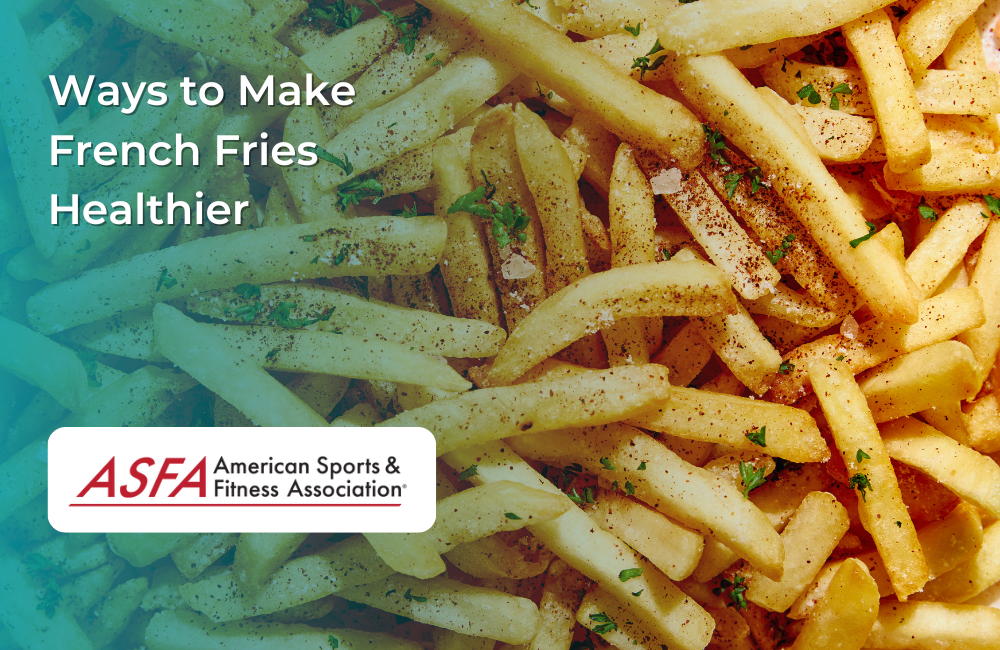
Ways to Make French Fries Healthier
There is more to Ways to Make French Fries Healthier than one rule. Context determines which details deserve attention.
Fitness advice becomes useful when it can be applied consistently. The best option is usually the one that fits the goal, equipment, experience, and recovery available. The next sections turn that principle into specific decisions.
What Makes French Fries Unhealthy?
French fries are typically considered an unhealthy food option due to their high calorie and fat content. When deep-fried in vegetable oil, French fries can be detrimental to health, increasing the risk of obesity, heart disease, and other health problems.
Air Frying for Less Oil
An air fryer circulates hot air to create a crispy texture with significantly less oil than deep-frying. This method cuts down on calories while preserving the classic taste and crunch of traditional fries.
Grilling or Roasting for a Unique Flavor
Grilling or roasting fries provides a rich, caramelized flavor while using minimal added fat. These methods enhance natural sweetness and create a crisp texture without deep frying.
Choosing Heart-Healthy Oils
Using oils with healthier fat profiles, such as olive oil or avocado oil, provides beneficial unsaturated fats while reducing the need for processed vegetable oils. A light coating of oil instead of submerging fries in fat helps maintain their nutritional value.
Adding Nutrient-Rich Toppings
Sprinkling fries with Parmesan cheese, nutritional yeast, or fresh herbs like rosemary and parsley adds extra nutrients and flavor. Opting for healthier dips, such as Greek yogurt-based sauces or homemade guacamole, further enhances nutritional value.
Opting for Sweet Potatoes
Sweet potatoes contain more fiber, vitamins, and antioxidants compared to traditional white potatoes. They provide a natural sweetness and are rich in beta-carotene, which supports eye and skin health.
Also, sweet potatoes can be used to make crispy french fries, offering a healthier alternative that still delivers a delightful, crunchy texture typical of restaurant fries.
Experimenting with Other Vegetables
Using alternatives such as zucchini, carrots, parsnips, or turnips as a base for fries increases variety and adds different vitamins and minerals. These options provide unique flavors and a lower carbohydrate content.
For oven fries, consider soaking the potatoes to remove excess starch and then baking them at a high temperature to achieve a balance of crispiness and tenderness.
How to Cut Potatoes into Fries
Cutting potatoes into fries is an important step in making delicious French fries. To cut potatoes into fries, start by selecting the right type of potato, such as Russet or Yukon Gold.
Techniques for Maximizing Nutrients
There are several techniques we can use to maximize the nutrients in our French fries. One of the most effective ways is to bake our French fries in the oven instead of deep-frying them.
Additional Tips and Variations
Here are some additional tips and variations to help you make the perfect French fries:
- Use the right type of potato: Russet or Yukon Gold potatoes are the best varieties for making French fries.
- Use olive oil: Olive oil is a healthier alternative to vegetable oil and can add a rich flavor to your French fries.
- Add seasonings: Experiment with different seasonings, such as onion powder, garlic powder, or paprika, to add flavor to your French fries.
- Try sweet potato fries: Sweet potato fries are a delicious and healthier alternative to regular French fries.
- Use a parchment-lined baking sheet: A parchment-lined baking sheet can help prevent the French fries from sticking and make cleanup easier.
- Experiment with different cooking methods: Try baking, grilling, or air-frying your French fries for a crispy exterior and a fluffy interior.
Presentation Tips for Healthier Meals
Presentation can play a big role in making our healthier meals more appealing. Here are a few tips for presenting our French fries in a way that’s both healthy and visually appealing:
- Use colorful plates and garnishes to add visual interest to our meals.
- Consider serving our French fries in a paper cone or basket to make them feel more like a special treat.
- Add a side of fresh herbs or edible flowers to our plate to boost the antioxidant content and flavor of our meal.
- Use a light drizzle of olive oil or a sprinkle of paprika to add flavor and visual interest to our French fries.
Programming Considerations
Practical point: Use a starting workload that can be repeated with consistent technique. The most useful progression is often modest: an extra repetition, a small load increase, or slightly more total work.
Limits and Safety
Exercise should be adjusted for the participant's experience, symptoms, environment, and available supervision. Stop for sharp pain, dizziness, chest discomfort, sudden weakness, or loss of control, and seek appropriate professional guidance when symptoms are persistent or concerning.
The Practical Takeaway
The best application is specific enough to guide action and flexible enough to change when the person or circumstances change.

Give the Idea a Clear Job
Ways to Make French Fries Healthier is most useful when the main idea is connected to a specific goal, a realistic action, and a way to review the result.
Write the objective in plain language and choose one or two indicators that would show progress. Avoid adding complexity before the basic action is being performed consistently. A useful framework should make the next decision easier, not create more tasks than the person can reasonably manage.
Build a Progression You Can Defend
Establish a baseline, make one meaningful adjustment, and set a review point. Progress when the result is stable enough to interpret. If the change creates more friction than benefit, simplify it. A plan that can be repeated and evaluated usually produces better information than a dramatic change that is abandoned quickly.
Know When the Plan Needs to Change
Before changing the plan again, compare:
- whether the change improved clarity or added unnecessary work
- the next review date and decision rule
- what was completed rather than what was intended
- which assumption was supported or challenged
Keep the review connected to the original goal. More information is not automatically better when the important result remains unclear.
Why the Same Advice Produces Different Results
Experience, resources, schedule, environment, preferences, and competing priorities can all change the best application. Use the principle as a starting point and adjust the method. A recommendation is more useful when it acknowledges the conditions required for it to work.
Where Good Information Can Go Wrong
- Changing several variables and then assigning credit to one of them.
- Measuring what is easy rather than what is connected to the goal.
- Adding complexity before the basic action is consistent.
- Treating a general guideline as a universal rule.
The goal is not perfect control of every variable. It is enough consistency to make an informed next decision.


