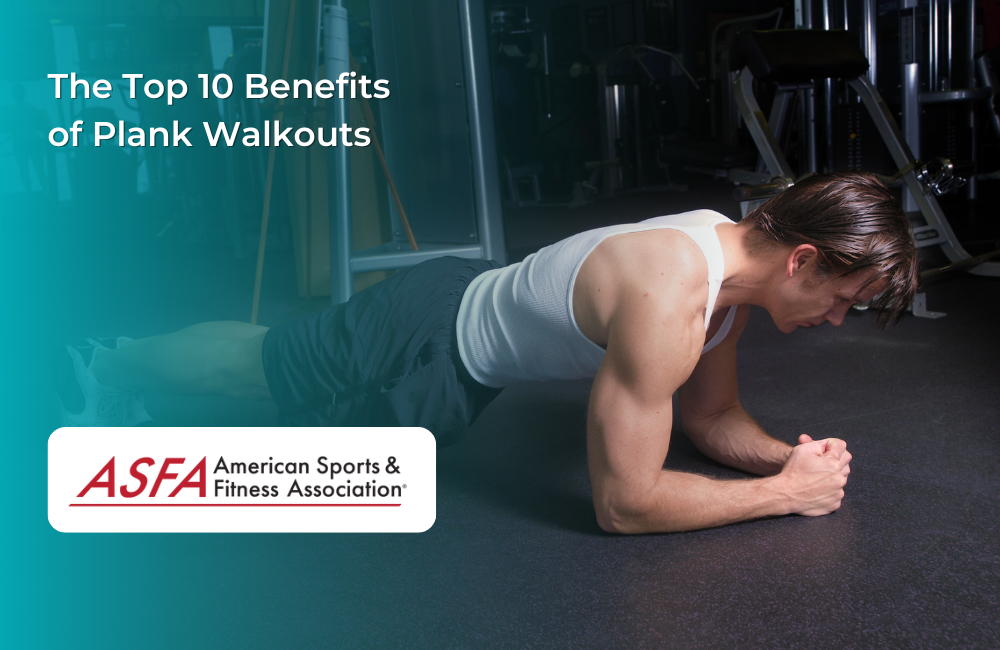
The Top 10 Benefits of Plank Walkouts
The Top 10 Benefits of Plank Walkouts is most useful when each item connects to a real training or coaching decision. A longer list is not automatically a better one.
Technique is not a single perfect shape. It is a repeatable way to complete the movement while controlling the load, range, and positions that matter for the goal. The next sections turn that principle into specific decisions.
What are Plank Walkouts?
Plank walkouts, also known as inchworms, are a dynamic variation of the classic plank exercise that effectively targets multiple muscle groups, including the core muscles, arm muscles, and upper body. This exercise begins in a plank position, where you walk your hands forward while keeping your legs straight, transitioning into a high plank position.
1. Strengthening the Core Muscles
Plank walkouts are one of the most effective exercises for strengthening the core, including the rectus abdominis, transverse abdominis, and obliques. The plank position requires significant engagement of the abdominal muscles to maintain stability, while the dynamic movement of walking the hands out and back challenges multiple muscles, including the core, shoulders, and arms.
2. Improving Upper Body Strength
In addition to targeting the core, walking planks engage key muscles in the upper body, including the chest, shoulders, triceps, and biceps. As you walk your hands out to the push-up position and back, these muscles work hard to stabilize and control your movement, offering an excellent upper- body workout.
3. Building Lower Body Strength
While primarily focusing on the core and upper body, plank walkouts also engage the lower body muscles, including the glutes, hamstrings, and quadriceps. Maintaining a plank position requires the lower body to stabilize the movement, and as you walk your hands forward and backward, the glutes and leg muscles must remain engaged.
4. Enhancing Flexibility
Plank walkouts involve a dynamic range of motion that promotes flexibility, particularly in the shoulders, wrists, and hips. The controlled movement of walking your hands out to a full extension and then back helps open up the shoulders and increase mobility in the joints.
5. Improving Posture
Good posture is essential for maintaining a healthy spine and reducing the risk of injury. The plank position required for plank walkouts strengthens the muscles that support proper posture, including the core, back, and shoulders.
6. Boosting Endurance
Plank walkouts require sustained effort and energy, making them an excellent exercise for building endurance. The combination of a static hold (plank) and dynamic movement (walkout) challenges the cardiovascular system and builds muscular stamina.
8. Increasing Calorie Burn
Because plank walkouts engage multiple muscle groups simultaneously and elevate the heart rate, they are an effective calorie-burning exercise. The dynamic nature of walking in and out of the plank position requires significant energy expenditure, which helps increase your overall calorie burn.
9. Reducing Risk of Injury
By strengthening the core, lower back, and stabilizer muscles, plank walkouts helps reduce the risk of injury, particularly in the lower back and shoulders. A strong core supports the spine, reducing strain on the back during physical activities, while improved shoulder mobility and strength can prevent common overuse injuries.
10. Convenience and Accessibility
One of the greatest advantages of plank walkouts is their convenience. They require no equipment, just a small space and a flat surface, making them an ideal exercise for home workouts or when traveling.
How to Perform Plank Walkouts Correctly
To get the most out of plank walkouts, it’s essential to perform the exercise with proper form. Follow these steps to ensure you're executing the movement correctly:
- Start in a Plank Position: Begin in a plank position with your hands directly under your shoulders and your feet hip-width apart. Keep your body in a straight line from head to heels, engaging your core to avoid sagging or arching your back.
- Engage Your Core: Tighten your abdominal muscles to maintain stability and control throughout the movement.
- Walk Your Hands Out: Slowly walk your hands forward until you’re in a full push-up position. Your hands should be directly under your shoulders, and your body should remain straight.
- Walk Your Hands Back: Reverse the movement by walking your hands back to the original plank position. Keep your core engaged and your body in a straight line.
- Repeat: Perform the movement for a set number of repetitions (e. G.
Variations and Progressions
To keep your workouts challenging and engaging, you can incorporate several variations and progressions of plank walkouts. Each variation targets different muscle groups and increases the exercise’s intensity:
- Side Plank Walkouts: Start in a side plank position and walk your hands forward while keeping your legs straight. This variation emphasizes the obliques and enhances lateral stability.
- Plank Walkouts with Leg Lifts: Begin in a plank position, walk your hands forward, and lift one leg off the ground, holding it for a few seconds before lowering it back down. This adds an extra challenge to your core and glutes.
- Plank Walkouts with Arm Raises: From the plank position, walk your hands forward and raise one arm off the ground, holding it for a few seconds before lowering it back down. This variation targets the shoulders and improves upper body strength.
- Plank Walkouts with Alternating Arms and Legs: Alternate lifting opposite arms and legs while walking your hands forward. This full-body variation enhances coordination and engages multiple muscle groups simultaneously.
Tips for Getting the Most Out of Plank Walkouts
- Start Slowly: If you’re new to plank walkouts, start with a manageable number of repetitions or a shorter time frame. Focus on maintaining proper form before increasing intensity.
- Gradually Increase Difficulty: As you gain strength and endurance, increase the number of repetitions, the duration of each set, or try adding challenges like lifting one leg or adding a weight to your back.
- Keep the Core Engaged: Throughout the movement, ensure your core remains engaged to protect your lower back and maximize the benefits of the exercise.
- Avoid Sagging or Arching: Pay close attention to your form. Avoid letting your hips sag or your back arch, as this can lead to injury and reduce the effectiveness of the exercise.
Incorporating Plank Walkouts into Your Workout Routine
Plank walkouts are versatile and can be incorporated into your workout routine in various ways to maximize their benefits:
- Warm-up: Use plank walkouts as a warm-up exercise to get your blood flowing and prepare your muscles for more intense activities. They help activate the core muscles and increase overall body temperature.
- Strength Training: Integrate plank walkouts into your strength training routine to target multiple muscle groups, including the core muscles, arm muscles, and upper body. They are effective for building strength and endurance.
- Cardiovascular Exercise: Perform plank walkouts at a faster pace to elevate your heart rate and improve cardiovascular health. This dynamic movement can be a great addition to your cardio workouts.
- Cool-down: Use plank walkouts as a cool-down exercise to stretch and relax your muscles after a workout. They help improve flexibility and reduce muscle tension.
Programming Considerations
Programming note: Choose the variation that permits a stable setup and repeatable range. Add repetitions or resistance only while the same control is maintained; stop when pain or compensation changes the movement.
The Practical Takeaway
Treat the method as a tool, not an identity. Keep what improves the plan and remove what does not.