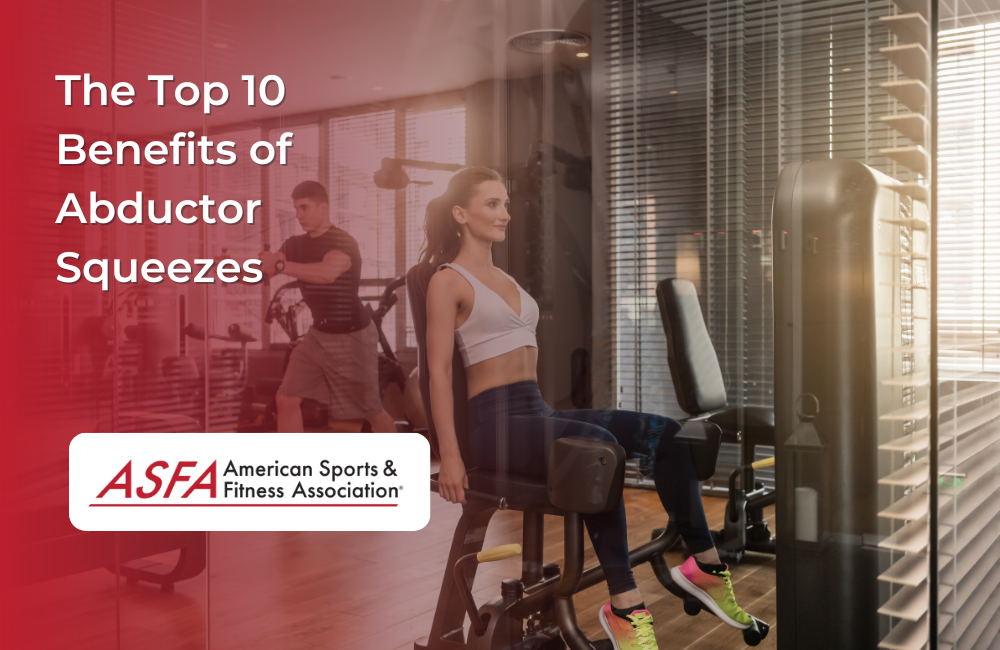
The Top 10 Benefits of Abductor Squeezes
The points in The Top 10 Benefits of Abductor Squeezes are organized around practical application rather than exaggerated promises.
The body does not organize movement one muscle at a time. Joints, tissues, leverage, and coordination share the work. The practical question is how to use the information without overstating it.
Use It in Practice
Practical point: Anatomical descriptions explain likely roles, not perfect isolation. Muscle contribution changes with joint position, load, speed, fatigue, and individual structure.
What is Hip Abduction?
Hip abduction is a fundamental movement where the leg moves away from the midline of the body, whether it’s backward, forward, or sideways. This action is primarily controlled by the hip abductors, a small but important muscle group located in the outer thighs and around the glutes.
Top 10 Benefits of Hip Abductors Squeezes
Abductor squeezes offer many benefits, from improving lower body strength to enhancing flexibility. Let’s explore these benefits in greater depth.
1. Improved Hip Stability
The hip abductors play an important role in stabilizing the pelvis during movement. Every time you walk, run, or stand on one leg, these muscles work to keep your hips level and prevent unnecessary motion.
2. Enhanced Balance and Coordination
Balance and coordination are useful components of functional fitness, and the hip abductors are key players in maintaining these abilities. Abductor squeezes help strengthen the muscles responsible for controlling side-to-side movements and stabilizing the pelvis.
4. Reduced Risk of Injury
Weak hip abductors can lead to compensatory movement patterns that place excess stress on the lower back, knees, and other parts of the body. For instance, a common issue known as knee valgus (where the knees collapse inward during movement) can often be traced to weak hip abductors.
5. Better Posture
Proper posture is essential for maintaining a healthy spine, reducing stress on the body, and preventing long-term musculoskeletal issues. The hip abductors play an important role in postural alignment by stabilizing the pelvis and ensuring that the spine maintains its natural curves.
6. Increased Athletic Performance
Athletes across various sports rely on strong and stable hips for explosive lateral movements, agility, and power. Hip abductor strength is important for activities like cutting, sprinting, jumping, and side-shuffling.
7. Enhanced Gluteal Definition, Particularly the Gluteus Medius
Abductor squeezes directly target the gluteus medius and gluteus minimus, which are responsible for shaping the outer thighs and upper glutes. Consistently performing abductor squeezes can help tone and define these muscles, contributing to a more sculpted and lifted appearance in the hips and thighs.
8. Improved Gait and Running Efficiency
Weak hip abductors can lead to poor gait mechanics, which often results in inefficient or painful movement patterns during walking and running. When the hip abductors are unable to properly stabilize the pelvis, it can cause the hips to dip with each step, leading to an uneven stride and increased stress on the knees and lower back.
9. Greater Flexibility
Abductor squeezes involve both concentric (muscle shortening) and eccentric (muscle lengthening) contractions, which help improve flexibility in the hip joint. The controlled movement of opening and closing the hips during abductor exercises stretches the muscles and ligaments around the hip, increasing range of motion.
Reduced Risk of Hip Impingement
Hip abduction exercises are not only great for strengthening muscles but also for reducing the risk of hip impingement. This condition occurs when the ball-and-socket joint of the hip doesn’t fit together properly, leading to pain and limited mobility.
Incorporating Hip Abduction Exercises into Your Workout Routine
The American Sports and Fitness Association (ASFA) recommends incorporating abductor squeezes into a comprehensive lower body training program that includes exercises targeting the glutes, hamstrings, quads, and calves. Here are some guidelines to help you get started:
- Perform 3-4 sets of 8-12 repetitions of abductor squeezes per session.
- Gradually increase resistance by using resistance bands, ankle weights, or performing more advanced variations.
- Combine abductor squeezes with complementary exercises like squats, lunges, and leg presses to target the entire lower body.
- Aim to include abductor exercises in your routine 2-3 times per week to see optimal results.
- Consider using a hip adduction machine to specifically target the inner thigh muscles and improve hip flexibility.
Effective Hip Abduction Exercises
To effectively target the hip abductor muscles, including the gluteus medius and minimus, consider incorporating exercises such as side leg lifts, clamshells, banded side steps, and squats into your routine. These exercises are designed to engage the hip abductors and enhance overall hip strength and stability.
Variations of Abductor Squeezes
To keep your workouts engaging and challenging, consider incorporating different variations of abductor squeezes. Each variation targets the hip abductor muscles with varying levels of difficulty and resistance:
- Seated Abductor Squeezes: Sit on a chair with a resistance band or small exercise ball between your knees. Squeeze your knees together while engaging the hip abductors.
- Lying Abductor Squeezes: Lie on your side with a resistance band looped around your thighs or ankles. Lift your top leg away from the bottom leg, keeping the movement slow and controlled.
- Standing Abductor Squeezes: Stand with a resistance band looped around your thighs. Lift one leg out to the side while maintaining a stable core and engaged abductors.
- Clamshells: Lie on your side with your knees bent and a resistance band around your thighs. Open your top knee while keeping your feet together to activate the abductors.
- Side-Lying Leg Raises: Lying on your side with straight legs, lift your top leg while keeping it in line with your body. This exercise can be made more challenging with resistance bands or ankle weights.
- Side Plank with Leg Lift: Perform a side plank and lift your top leg, focusing on engaging the abductors and maintaining proper alignment throughout the movement.
- Monster Walks: Place a resistance band around your ankles or thighs and step sideways, keeping tension on the band and engaging the hip abductors.
- Curtsy Lunges: Perform a reverse lunge, stepping your back leg diagonally behind the front leg. Engage the abductors as you return to standing.
- Fire Hydrants: Get on all fours with a resistance band around your thighs. Lift one knee out to the side, keeping the knee bent and activating the hip abductors.
- Banded Squats: Perform a squat with a resistance band around your thighs. Maintain tension on the band throughout the movement to engage the hip abductors.
A Clear Bottom Line
The best application is specific enough to guide action and flexible enough to change when the person or circumstances change.
Safety and Scope
Exercise should be adjusted for the participant's experience, symptoms, environment, and available supervision. Stop for sharp pain, dizziness, chest discomfort, sudden weakness, or loss of control, and seek appropriate professional guidance when symptoms are persistent or concerning.