
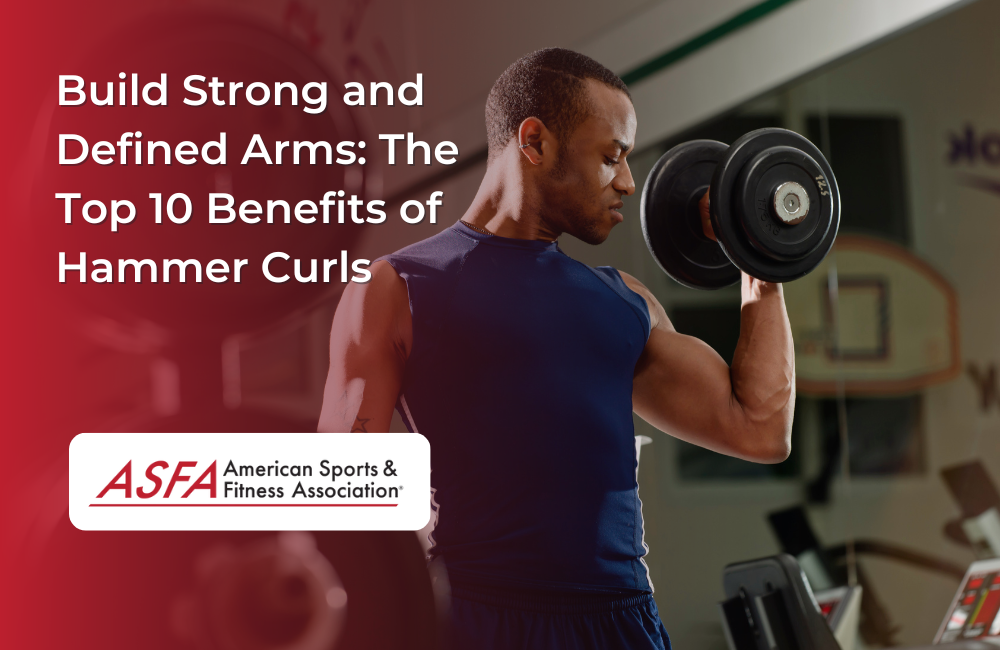
The Top 10 Benefits of Hammer Curls
The Top 10 Benefits of Hammer Curls covers several ideas, but they do not all carry the same weight. Start with the points that affect execution and consistency.
Technique is not a single perfect shape. It is a repeatable way to complete the movement while controlling the load, range, and positions that matter for the goal. The distinction matters in practice.
Decision Points
A useful checkpoint: Choose the variation that permits a stable setup and repeatable range. Add repetitions or resistance only while the same control is maintained; stop when pain or compensation changes the movement.
What are Hammer Curls (with a Neutral Grip)?
Hammer curls are a variation of the bicep curl that offer a unique twist on traditional arm exercises. Unlike standard bicep curls, hammer curls are performed with a neutral grip, meaning your palms face each other throughout the movement.
How to Do Hammer Curls
To perform hammer curls effectively, follow these steps:
- Starting Position: Stand with your feet shoulder-width apart, holding a dumbbell in each hand with a neutral grip (palms facing each other). This stance provides a stable base and ensures proper alignment.
- Grip: Hold the dumbbells firmly, but not too tightly, with your hands in a neutral position. This grip helps target the brachialis and brachioradialis muscles effectively.
- Arm Position: Keep your upper arms still and close to your body, with your elbows at a 90-degree angle. This position ensures that the biceps brachii muscle is properly engaged.
- Curl: Slowly curl the dumbbells up towards your shoulders, keeping your upper arms still and only moving your forearms. Focus on using your arm muscles to lift the weights.
- Pause: Pause for a brief moment at the top of the curl, squeezing your biceps and arm muscles. This contraction maximizes muscle engagement.
- Lower: Slowly lower the dumbbells back to the starting position, keeping control throughout the movement. This controlled descent helps build strength and prevents injury.
1. Target Multiple Muscle Groups
One of the main advantages of hammer curls is their ability to engage several muscles in your arms. Hammer curls work not only the biceps brachii but also the brachialis and brachioradialis, which are muscles that contribute to arm strength and definition.
- Biceps brachii: The primary muscle worked during hammer curls, responsible for the flexion of the elbow.
- Brachialis: A deeper muscle under the biceps that assists in elbow flexion and contributes to arm thickness.
- Brachioradialis: A forearm muscle that helps in elbow flexion and enhances forearm strength and size.
2. Improve Grip Strength
Hammer curls are a great way to improve grip strength due to the neutral hand position. The dumbbell hammer curl is particularly effective for improving grip strength due to the neutral hand position.
- Enhanced grip strength reduces fatigue in exercises that require holding weights for extended periods.
- A strong grip is essential for improving overall athletic performance in sports like tennis, climbing, and weightlifting.
4. Strengthen the Forearms
Unlike traditional curls, which primarily isolate the biceps, hammer curls place a greater emphasis on the forearms, particularly the brachioradialis muscle. Hammer curls strengthen not only your biceps and forearms but also help improve joint stability by engaging the muscles around your elbow joint and wrists.
- Improved endurance in exercises like pull-ups, chin-ups, and rows, where forearm fatigue can often be a limiting factor.
- Increased functional strength for daily tasks that require wrist stability and strength, such as carrying bags or lifting objects.
5. Reduce the Risk of Injury
Hammer curls strengthen not only your biceps and forearms but also help improve joint stability by engaging the muscles around your elbows and wrists. This added strength and stability can help reduce the risk of injuries in these areas, particularly for those who engage in sports or activities that place a high demand on the arms, such as climbing, throwing, or grappling.
By incorporating hammer curls into your training, you can create a more resilient upper body that is better equipped to handle the stresses of intense physical activity.
6. Improve Functional Strength
The neutral grip used in hammer curls is similar to the grip used in many everyday movements, such as lifting objects, carrying groceries, or even pulling open doors. This makes hammer curls a great exercise for improving functional strength, meaning strength that directly translates to real-world tasks.
8. Enhance Athletic Performance
Many sports, such as baseball, tennis, golf, and rock climbing, require strong grip, forearm, and bicep strength. Hammer curls can help athletes improve their performance in these activities by building strength in the muscles that contribute to grip control, wrist stability, and arm endurance.
9. Easy to Learn and Perform
One of the great things about hammer curls is that they are easy to learn and perform correctly, making them accessible to individuals of all fitness levels. With just a pair of dumbbells, you can start incorporating hammer curls into your routine.
Key Tips for Proper Hammer Curl Form:
- Keep your elbows close to your sides and avoid flaring them out during the movement.
- Focus on lifting the weights with your biceps and forearms, rather than using momentum.
- Keep your wrists neutral throughout the entire range of motion, avoiding any excessive bending or twisting.
10. Versatile and Adaptable
Hammer curls are an incredibly versatile exercise that can be adapted to suit your fitness level, available equipment, or workout goals. For example:
- You can perform hammer curls with dumbbells, resistance bands, or even household items like water bottles if you're working out at home.
- To increase intensity, you can add weight or resistance, increase repetitions, or slow down the movement to focus on muscle control.
- Hammer curls can also be incorporated into supersets or circuits, making them a flexible addition to any strength training routine.
Muscle Engagement
Hammer curls are a powerhouse exercise when it comes to engaging multiple muscle groups. The primary muscles worked include the biceps brachii, brachialis, and brachioradialis.
Training Tips and Considerations for Proper Form
When performing hammer curls, focusing on proper form and technique is important for maximizing benefits and avoiding injury. Here are some key training tips and considerations:
- Use a Neutral Grip: Hold the dumbbells or barbell with your palms facing each other to maintain a neutral grip.
- Keep Your Upper Arm Still: Avoid swinging your upper arm or using momentum to lift the weight. This ensures that the biceps and forearm muscles do the work.
- Focus on the Contraction: Concentrate on contracting the biceps and forearm muscles as you lift the weight, rather than relying on momentum.
- Use a Full Range of Motion: Lift the weight from a fully extended position to a fully contracted position to engage the muscles effectively.
- Avoid Turning Your Wrist: Keep your wrists neutral throughout the movement to maintain the effectiveness of the exercise and reduce the risk of injury.
Space and Equipment Efficiency
One of the great advantages of hammer curls is their versatility in terms of space and equipment requirements. Hammer curls can be easily incorporated into your routine.
- Use a Compact Dumbbell Set: If space is limited, consider using a compact dumbbell set that includes multiple weights in a small footprint.
- Use a Barbell: A barbell can be more space-efficient than multiple dumbbells and still allows you to perform hammer curls effectively.
- Perform Hammer Curls at Home: With minimal equipment, such as a pair of dumbbells or a barbell, you can easily perform hammer curls in a small space at home.
Incorporating Hammer Curls into Your Routine
To make the most of hammer curls, consider the following tips for incorporating them into your workout:
- Warm-up: Start with a light warm-up, such as dynamic stretches or 5-10 minutes of cardio, to increase blood flow to the muscles and prepare your body for the workout.
- Choose the Right Weight: Select a weight that allows you to complete 8-12 reps with good form. The last few reps should be challenging but manageable.
- Maintain Proper Form: Focus on smooth, controlled movements, keeping your elbows close to your sides and avoiding swinging or using momentum.
- Incorporate into a Balanced Routine: Include hammer curls as part of a well-rounded strength training routine that targets all major muscle groups. Aim for 2-3 sets of 8-12 reps with 60-90 seconds of rest between sets.
- Progression: As you get stronger, gradually increase the weight or resistance to keep challenging your muscles and promoting growth.
Final Coaching Note
Use the information to make one clear adjustment, then judge the result from repeatable performance rather than novelty.


