
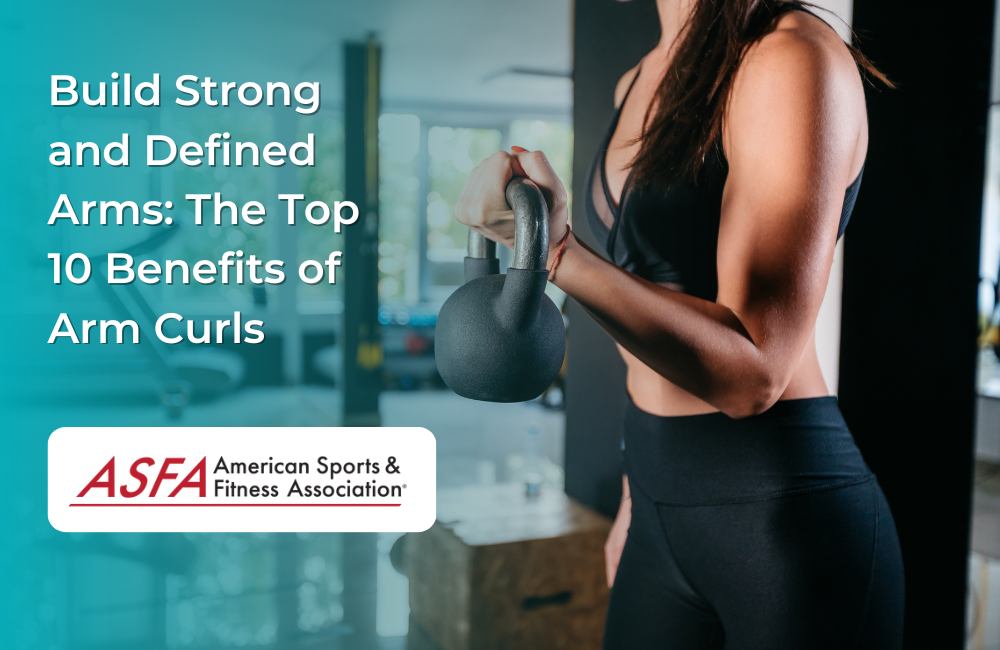
The Top 10 Benefits of Bicep Curls
The points in The Top 10 Benefits of Bicep Curls are organized around practical application rather than exaggerated promises.
Technique is not a single perfect shape. It is a repeatable way to complete the movement while controlling the load, range, and positions that matter for the goal. A simple rule helps: keep the goal visible and adjust the method.
Practical Guidance
Practical point: Choose the variation that permits a stable setup and repeatable range. Add repetitions or resistance only while the same control is maintained; stop when pain or compensation changes the movement.
Understanding the Anatomy: Biceps Brachii and Upper Arm Supporting Muscles
Before diving into the benefits, it’s important to understand the anatomy of the muscles involved in arm curls. The primary muscle targeted during arm curls is the biceps brachii.
Other muscles that assist during arm curls include:
- Brachialis: Located beneath the biceps brachii, this muscle plays a key role in elbow flexion.
- Brachioradialis: A forearm muscle that assists in flexing the elbow, particularly when performing curls with a hammer grip.
- Coracobrachialis: Assists in shoulder flexion, stabilizing the arm during the curl.
1. Target the Biceps Brachii Muscle
Biceps curls are notable in their ability to isolate and target the biceps brachii muscle. By focusing directly on this muscle, you can build significant strength and definition in your upper arms.
2. Improve Grip Strength
A strong grip is essential for various everyday tasks, such as opening jars, carrying groceries, and even typing on a keyboard. Arm curls, especially when performed with free weights like dumbbells or barbells, can help improve your grip strength.
3. Enhance Arm Aesthetics and Muscle Growth
Well-defined and toned arms are often a symbol of strength and fitness. Arm curls are a key exercise for sculpting the biceps, contributing to a more balanced and attractive physique.
4. Increase Functional Strength
Functional strength refers to the ability to perform everyday activities with ease. The biceps brachii muscle is heavily involved in movements like lifting, carrying, and pulling.
5. Support Sports Performance
In sports, upper body strength and endurance are critical for optimal performance. Exercises like biceps curls are beneficial not just for arm strength, but also for shoulder rehabilitation, engaging shoulder and scapular stabilizers.
6. Reduce the Risk of Injury
Injury prevention is a key aspect of any fitness routine. Strengthening the biceps brachii muscle can help protect the elbow joint, reducing the risk of injuries such as tendonitis.
8. Enhance Muscular Endurance
Muscular endurance is the ability of a muscle to sustain repeated contractions over time. Biceps curls are not just about building strength; they can also improve the endurance of the biceps.
9. Increase Workout Variety
One of the keys to a successful fitness routine is variety. Arm curls can be performed in numerous ways, including with different grips (supinated, pronated, neutral), equipment (dumbbells, barbells, resistance bands), and variations (concentration curls, preacher curls, hammer curls).
10. Customize the Exercise to Your Needs
Arm curls, including the foundational biceps curl, are highly versatile and can be adapted to suit different fitness levels and goals. Whether you’re a beginner looking to build foundational strength or an advanced athlete seeking to increase muscle size, you can modify the weight, repetitions, and type of arm curl to meet your specific needs.
Sample Workout: Building Strong and Defined Biceps with Bicep Curls
To help you get the most out of arm curls, here’s a sample workout designed to target the biceps and supporting muscles:
Warm-Up (5-10 minutes)
- Arm Circles: 2 sets of 15 reps in each direction
- Jump Rope: 3 minutes to increase blood flow to the upper body
Workout
- Standing Bicep Curl
- 4 sets of 12-15 reps
- Focus on slow, controlled movements, ensuring full range of motion. This exercise not only isolates the biceps but also enhances rotary stability and strengthens the rotator cuff, improving overall functional movement.
- 3 sets of 10-12 reps
- Keep your palms facing each other to engage the brachioradialis.
- 3 sets of 10-12 reps each arm
- Sit on a bench and focus on isolating the biceps.
Cool-Down (5 minutes)
- Static Stretching: Focus on the biceps, shoulders, and forearms to improve flexibility and reduce muscle soreness.
The Useful Conclusion
The best application is specific enough to guide action and flexible enough to change when the person or circumstances change.
Safety and Scope
Exercise should be adjusted for the participant's experience, symptoms, environment, and available supervision. Stop for sharp pain, dizziness, chest discomfort, sudden weakness, or loss of control, and seek appropriate professional guidance when symptoms are persistent or concerning.
Give the Idea a Clear Job
A strong plan for The Top 10 Benefits of Bicep Curls connects technique with programming, recovery, and the participant’s current level of control.
Decide whether the priority is skill, strength, muscle development, mobility, work capacity, or general activity. That choice affects exercise order, range of motion, resistance, repetitions, rest, and frequency. A program becomes harder to evaluate when several goals are pursued in the same set without a clear priority.
A Practical Review Checklist
- What is the primary training objective?
- Which variation allows the intended technique today?
- What load, range, tempo, and rest will be recorded?
- What sign will indicate that the set or session should stop?
- Which single variable may progress next?
Use the answers as the baseline for the next decision rather than relying on a vague impression of progress.
Make the Plan Easier to Evaluate
The main programming variables are exercise selection, setup, range of motion, resistance, repetitions, sets, tempo, rest, frequency, and proximity to fatigue.
- Use a version that fits the available equipment and the participant’s current control.
- Reduce range, resistance, speed, or complexity when quality begins to change.
- Change one major variable at a time so the response can be interpreted.
- Keep technique standards consistent when load or repetitions increase.
Build a Progression You Can Defend
Progression is not limited to adding weight. Better control, a smoother range of motion, a longer pause, improved balance, or the same work at a lower perceived effort can all represent progress. Choose the next step that fits the goal. An advanced variation is not an upgrade when it changes the exercise so much that the original objective is lost.
Know When the Plan Needs to Change
A practical review includes:
- whether the target goal improved across several sessions
- whether fatigue interfered with other training
- the variation and setup used
- where technique first changed
Look for a pattern across several comparable attempts. One unusually good or difficult day should not determine the entire plan.
Adapt the Guidance to the Person
Two people can use the same exercise for different reasons and need different versions. Training history, limb proportions, mobility, confidence, equipment, schedule, symptoms, and the rest of the program all affect the decision. Standardize the objective and the tracking method; individualize the setup and dose. That balance makes comparisons more useful without forcing every repetition to look identical.


