
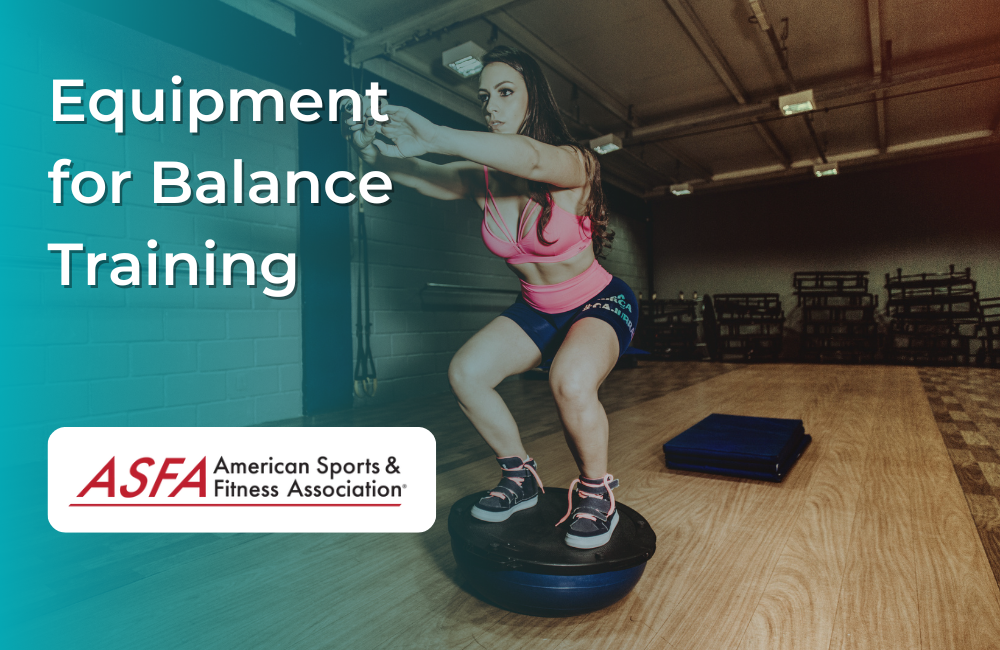
Equipment for Balance Training
The clearest way to discuss Equipment for Balance Training is to narrow the claims and state the practical limits plainly.
Balance is a trainable skill influenced by strength, sensory information, attention, and the specific task. Progression should be deliberate, not theatrical. A simple rule helps: keep the goal visible and adjust the method.
3. Enhanced Performance
Better balance and stability translate to improved sports performance and functional fitness.
1. The Classic Stability Ball
Stability balls, or exercise balls, are versatile tools for balance training.
3. Dual-Sided Versatility
The flat and dome sides of the ball allow for a broad mix of exercises, from planks to squats.
1. Surfing on Dry Land
Balance boards, also known as wobble boards, simulate the instability of a surfboard or skateboard.
3. Portable and Versatile
Resistance bands are portable and versatile, making them suitable for home workouts and travel.
1. A Softer Approach
Foam rollers offer a less stable surface for balance training, making them suitable for beginners.
3. Adjustable Intensity
Suspension trainers are adjustable for various fitness levels, from beginners to advanced athletes.
1. Safety First
Start with basic balance exercises and progress to using equipment as your stability improves.
Elevating Your Balance Training
Balance training equipment adds diversity and challenge to your fitness routine, helping you achieve greater stability, strength, and overall well-being. Whether you prefer stability balls, Half dome balls, balance boards, or any other equipment, incorporating them into your workouts can lead to improved balance, reduced injury risk, and enhanced athletic performance.
Safety and Scope
Exercise should be adjusted for the participant's experience, symptoms, environment, and available supervision. Stop for sharp pain, dizziness, chest discomfort, sudden weakness, or loss of control, and seek appropriate professional guidance when symptoms are persistent or concerning.
The Useful Conclusion
Use the information to make one clear adjustment, then judge the result from repeatable performance rather than novelty.
Practical Guidance
A useful checkpoint: Place support within reach, clear the area, and progress one variable at a time. Closing the eyes, narrowing the stance, adding motion, and using an unstable surface should not all be combined at once.

What Good Application Looks Like
Before applying Equipment for Balance Training, define the outcome in terms that can be observed. That may be steadier technique, a tolerable training dose, better consistency, clearer client communication, or a decision between two reasonable options.
- Goal: State what should improve and why it matters.
- Starting point: Use the person's current ability, experience, equipment, and constraints.
- Dose: Decide how much work or change is appropriate before adding more.
- Feedback: Track technique, tolerance, consistency, and the response after the session.
Know When to Change Course
Keep the first adjustment modest. If the response is useful and repeatable, progress one variable—such as range, load, duration, complexity, or frequency. If the result is poor, change the limiting variable instead of assuming that more effort will solve it.
Look Beyond a Single Session
With Equipment for Balance Training, the same recommendation can produce different results for two people. Experience, recent workload, movement skill, available equipment, schedule, preferences, and recovery all change what is reasonable.
Review the result over several exposures rather than judging one unusually good or difficult session. Useful progress is usually visible as better control, a more appropriate workload, improved consistency, or clearer decision-making.
Give the Idea a Clear Job
The useful question is not whether Equipment for Balance Training belongs in every routine, but what job it should perform in a specific program.
For strength, the plan may emphasize load and long rest periods. For muscular endurance, the same movement may use lighter resistance, more repetitions, and shorter recovery. Technique practice may call for low fatigue and frequent high-quality repetitions. Conditioning may use a different structure again. Those approaches are not interchangeable simply because the exercise name is the same.
Use Feedback to Choose the Next Step
Start with a version that allows a stable setup and repeatable range. Establish a baseline for repetitions, load, tempo, and perceived effort. Progress one element—such as another repetition, a small resistance increase, more range, or a more demanding variation—only when the prior version remains controlled. If technique changes early, recovery declines, or the target area is no longer doing the intended work, reduce the demand and rebuild from a clearer baseline.
Use Simple Evidence, Not Guesswork
Useful tracking can remain simple. Record:
- where technique first changed
- whether the target goal improved across several sessions
- whether fatigue interfered with other training
- the variation and setup used
Keep the review connected to the original goal. More information is not automatically better when the important result remains unclear.
Keep the Recommendation Proportional
Exercise selection should fit the participant rather than require the participant to fit a preferred variation. A different stance, grip, range, resistance, or tool may preserve the goal more effectively. Use the version that allows a controlled and repeatable pattern, then progress from the response rather than from an arbitrary timetable.
Mistakes That Make the Result Harder to Read
- Forcing a standardized range or stance when another controlled setup better fits the participant.
- Choosing the hardest variation before the base movement is controlled.
- Increasing load, repetitions, range, and frequency at the same time.
- Using fatigue or soreness as the only evidence of an effective session.
The correction is straightforward: return to the objective, simplify the setup, and change only what the available feedback supports.
Questions to Answer Before You Proceed
- What sign will indicate that the set or session should stop?
- Which single variable may progress next?
- How will this work fit with the rest of the week?
- What is the primary training objective?
- Which variation allows the intended technique today?
This review keeps the next step tied to the topic while leaving room for individual judgment and feedback.
Adjust One Variable at a Time
Small programming changes can make the same movement serve a different purpose. Slower repetitions increase time under tension; longer rest may preserve force; shorter rest changes the conditioning demand; additional range can increase difficulty even without more weight.
- Choose the variable that best matches the current goal.
- Record enough detail to repeat the session accurately.
- Do not treat fatigue as proof that the exercise was well selected.
- Progress only while the intended movement pattern remains recognizable.
A Simple Implementation Check
- What load, range, tempo, and rest will be recorded?
- What sign will indicate that the set or session should stop?
- Which single variable may progress next?
- How will this work fit with the rest of the week?
- What is the primary training objective?
- Which variation allows the intended technique today?
The checklist is intentionally practical: each answer should change how the plan is designed, delivered, or reviewed.


