
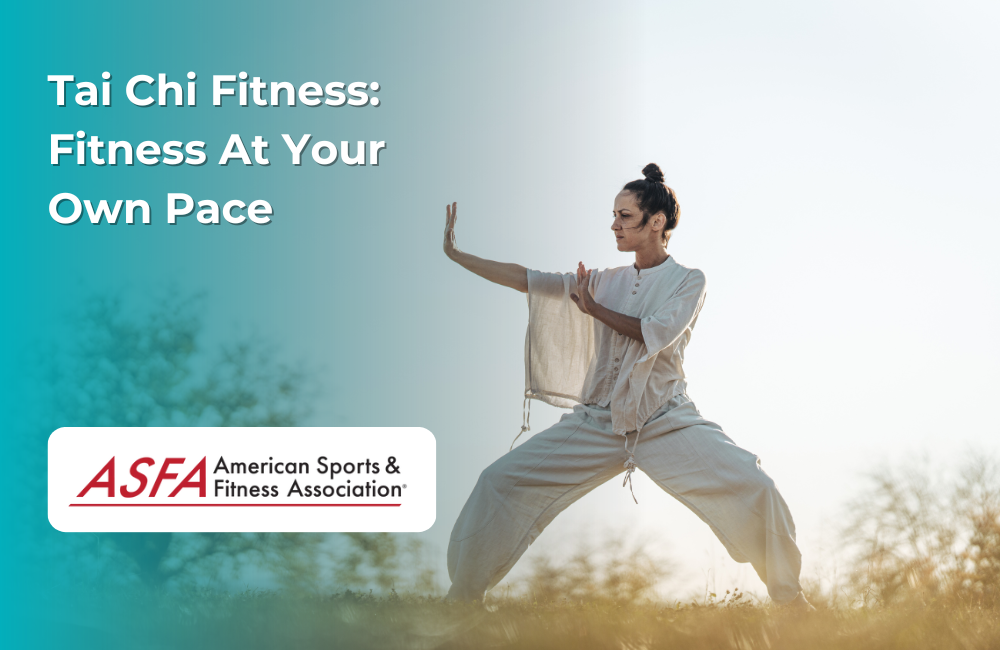
Tai Chi Fitness: Fitness At Your Own Pace
The clearest way to discuss Tai Chi Fitness: Fitness At Your Own Pace is to narrow the claims and state the practical limits plainly.
Fitness advice becomes useful when it can be applied consistently. The best option is usually the one that fits the goal, equipment, experience, and recovery available. The distinction matters in practice.
Limits and Safety
Exercise should be adjusted for the participant's experience, symptoms, environment, and available supervision. Stop for sharp pain, dizziness, chest discomfort, sudden weakness, or loss of control, and seek appropriate professional guidance when symptoms are persistent or concerning.
Decision Points
A useful checkpoint: Use a starting workload that can be repeated with consistent technique. The most useful progression is often modest: an extra repetition, a small load increase, or slightly more total work.
What is Tai Chi?
Tai Chi is an ancient Chinese martial art that has gracefully evolved into a low-impact, slow-moving exercise combining physical movement, deep breathing, and mental focus. Often referred to as “meditation in motion,” Tai Chi integrates physical movement with mental awareness, aiming to balance and concentrate the body’s qi (useful energy).
Tai Chi: A Form of Martial Arts Fitness
Tai Chi is often classified as a form of martial arts fitness due to its origins, but it is unlike more vigorous martial arts practices like karate or judo. Instead of focusing on speed, power, or combat, Tai Chi emphasizes internal strength, balance, and control.
Because of its low-impact nature, Tai Chi is one of the most accessible forms of martial arts fitness. The movements are performed slowly, which reduces the risk of injury while still providing a challenge for the muscles and joints.
Getting Started with Tai Chi
Starting Tai Chi is both easy and accessible, making it an excellent choice for beginners. The first step is to find a qualified Tai Chi instructor who can guide you through the proper techniques and principles.
The Physical Benefits of Tai Chi: Strength, Flexibility, and Balance
One of the key benefits of Tai Chi is its ability to improve strength, particularly in the core and lower body. The slow, controlled movements require practitioners to engage their muscles deeply, especially when holding positions or moving through postures that challenge balance.
tai chi's effect on health conditions such as heart failure, chronic obstructive pulmonary disease (COPD), and Parkinson's disease has been noted, though further research is needed to fully understand its impact.
Improved Flexibility through Tai Chi Practice
Tai Chi is also an excellent practice for improving flexibility. The flowing, stretching movements allow the muscles and joints to move through their full range of motion, increasing elasticity and flexibility over time.
Many Tai Chi instructors have completed certifications in flexibility or stretching, and they often incorporate these principles into their routines to help students achieve better range of motion. Flexibility is a cornerstone of overall physical health, and Tai Chi offers a gentle, sustainable way to maintain and improve it throughout life.
Tai Chi for Seniors: Fitness for Life
Exercise becomes more challenging as we age, particularly due to decreased muscle mass, balance issues, and joint stiffness. However, maintaining an active lifestyle is important for overall health and well-being, especially in older adulthood.
Gentle on the Joints
Tai Chi is a low-impact exercise, which means it does not place excessive pressure on the joints. This makes it a safe and effective form of exercise for individuals with arthritis, joint pain, or other musculoskeletal issues.
Enhanced Balance and Fall Prevention
Falls are a significant concern for seniors, as they can lead to serious injuries such as fractures or head trauma. Tai Chi is widely recognized as one of the best exercises for improving balance and preventing falls.
Mental and Emotional Benefits for Seniors
In addition to the physical benefits, Tai Chi also provides mental and emotional advantages for older adults. The focus on breathing and mindfulness helps reduce stress and anxiety, promoting a sense of calm and well-being.
The Role of Qi in Tai Chi
Central to Tai Chi is the concept of qi, a useful energy that flows through the body’s meridian channels. Practicing Tai Chi aims to restore balance to the flow of qi, promoting overall health and well-being.
Customizing Tai Chi to Fit Your Needs
One of the greatest advantages of Tai Chi is its adaptability. Whether you’re an athlete looking to improve flexibility, a senior seeking balance, or someone recovering from an injury, Tai Chi can be modified to suit your individual fitness level and goals.
Because Tai Chi is low-impact, it is also an excellent practice for those with limited mobility or chronic pain. The gentle nature of the movements makes it accessible to nearly everyone, regardless of fitness level or physical condition.
Practicing Tai Chi at Home
Practicing Tai Chi at home is a wonderful way to continue your practice and enhance your skills. You can follow along with online classes or DVDs to guide your practice.
Becoming a Certified Tai Chi Instructors
If you're passionate about Tai Chi and want to share its benefits with others, becoming a certified Tai Chi fitness instructor is a rewarding path. Certification programs will provide you with a comprehensive understanding of Tai Chi's movements, breathing techniques, and philosophy, as well as how to teach these to students of all levels.
As a Tai Chi instructor, you'll have the opportunity to help others improve their strength, flexibility, balance, and mental well-being. Whether you choose to teach classes for seniors, athletes, or beginners, you'll be promoting a practice that can enhance the quality of life for people of all ages.
Final Coaching Note
Use the information to make one clear adjustment, then judge the result from repeatable performance rather than novelty.

Connect the Topic to a Real Objective
Tai Chi Fitness: Fitness At Your Own Pace should lead to a decision that is understandable, measurable, and flexible enough to change when the evidence changes.
Distinguish what is known, what is being assumed, and what still needs to be tested. This keeps the guidance flexible and prevents a general principle from being treated as a universal rule. The result should be a plan that can respond to actual feedback.
What to Review After Several Sessions
A practical review includes:
- a result connected to the stated objective
- consistency across several normal attempts
- constraints or side effects that make the plan harder to sustain
- the starting point and the exact change made
Use the record to make a decision: continue, progress, simplify, or replace the current approach. Data that never changes a decision is unnecessary.


