
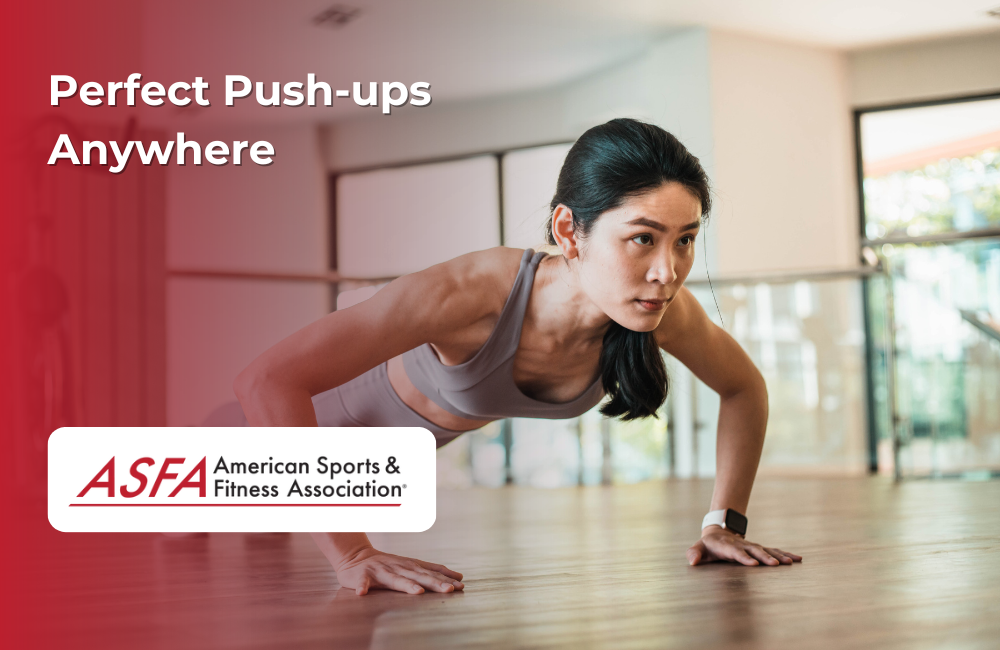
Perfect Push-ups Anywhere
The push-up has always been used as a strength test for upper body fitness. The following is an excerpt from a recent article in the New York Times, An Enduring Measure of Fitness: The Simple Push-up
“The push-up is the ultimate barometer of fitness. It tests the whole body, engaging muscle groups in the arms, chest, abdomen, hips and legs. It requires the body to be taut like a plank with toes and palms on the floor. The act of lifting and lowering one’s entire weight is taxing even for the very fit.”
Mastering the perfect push-up is a cornerstone in any fitness regimen, offering a comprehensive workout that can be performed virtually anywhere. Whether at home, in the gym, or on the go, push-ups are an effective way to build strength in the upper body, core, and even the lower body. Here's a guide to achieving perfect push-ups anywhere, ensuring you get the most out of this timeless exercise.
Understanding the Push-up
A push-up is a bodyweight exercise that primarily targets the chest, shoulders, and triceps, but also engages the core, glutes, and legs. It’s a functional movement that mimics everyday activities and supports overall body strength and stability.
Key Steps for Perfect Push-ups
- Proper Hand Placement: Place your hands slightly wider than shoulder-width apart, with fingers pointing forward. This position allows for optimal muscle engagement.
- Align Your Body: Your body should form a straight line from your head to your heels. Engage your core, glutes, and legs to maintain this alignment.
- Elbow Position: As you lower your body, keep your elbows at about a 45-degree angle from your body. This reduces strain on your shoulders and engages your chest and triceps effectively.
- Controlled Movement: Lower your body slowly and with control until your chest nearly touches the ground. Avoid dropping or sagging your hips.
- Full Range of Motion: Push back up to the starting position, fully extending your arms. This full range ensures you engage all the targeted muscle groups.
- Breathing Technique: Breathe in as you lower your body and breathe out as you push back up. Proper breathing aids in muscle control and endurance.
Modifications and Variations
- Knee Push-ups: For beginners or those with limited upper body strength, performing push-ups on your knees is a good starting point.
- Incline Push-ups: Placing your hands on an elevated surface, like a bench or step, can reduce the intensity while still providing benefits.
- Decline Push-ups: Elevating your feet increases the challenge, targeting your upper chest and shoulders more intensely.
- Diamond Push-ups: Bring your hands together under your chest, forming a diamond shape with your fingers, to focus more on your triceps.
Tips for Consistency and Progress
- Regular Practice: Incorporate push-ups into your routine regularly to build strength and improve technique.
- Focus on Form: Prioritize proper form over the number of repetitions to avoid injury and maximize effectiveness.
- Progressive Overload: Gradually increase the number of push-ups, add variations, or introduce additional resistance to continue challenging your muscles.
- Listen to Your Body: Pay attention to how your body feels. If you experience pain, especially in the shoulder or wrist, adjust your technique or seek guidance from a fitness professional.
Conclusion
Perfect push-ups are a testament to physical strength and endurance and can be achieved by anyone, anywhere, with consistent practice and attention to form. By mastering this fundamental exercise, you can build a solid foundation for a wide range of fitness activities, enhancing your overall strength, stability, and fitness level.
Perhaps the push-up is already part of your sports regimen. ASFA® Sport Specific Trainer exam helps trainer specialize in the niche market of sport training. With the prices of tuition going up, there is a large demand for sport specific trainers to help hopeful athletes win scholarships. Capitalize your niche marketing as a Sport Specific Trainer.


