
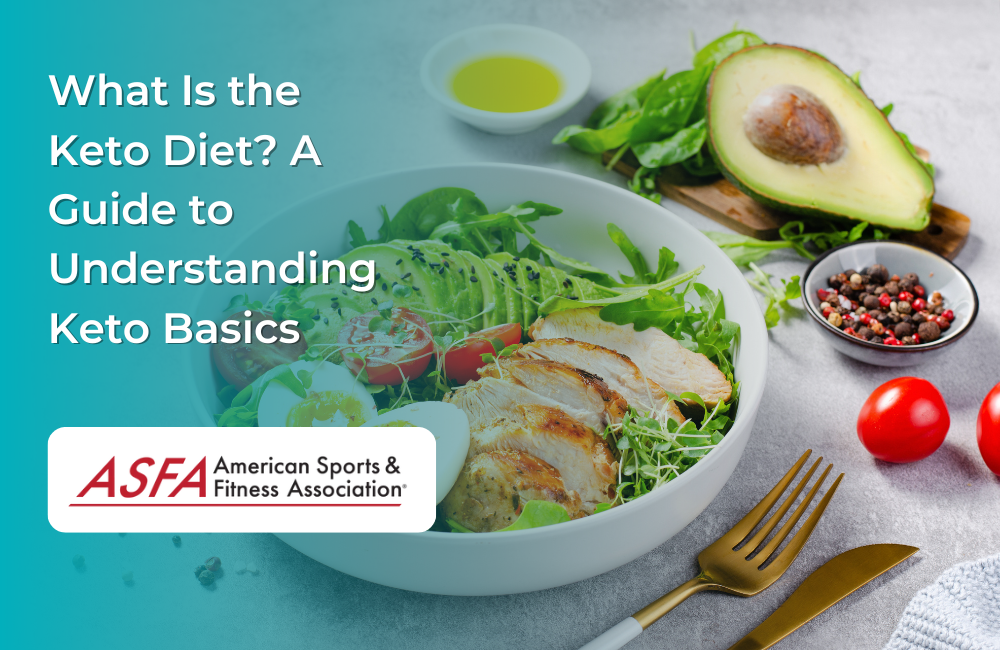
What Is the Keto Diet? A Guide to Understanding Keto Basics
With What Is the Keto Diet? A Guide to Understanding Keto Basics, an all-or-nothing answer misses the point. The practical answer is more specific.
Food can contribute nutrients and enjoyment without needing to be labeled a cure, detox, or metabolic shortcut. What follows is less about chasing novelty and more about applying the idea well.
A Necessary Safety Note
This material is general education, not an individualized nutrition prescription. People with diagnosed conditions, allergies, pregnancy, medication considerations, or a history of disordered eating should seek guidance from an appropriately qualified professional.
Understanding the Keto Diet
The keto diet is a low-carbohydrate, high-fat eating approach designed to shift the body’s primary energy source from carbohydrates to fat. The Atkins diet, a pioneering low-carb diet from the 1970s, laid the groundwork for subsequent diets like keto.
While initially developed for medical purposes, the keto diet has gained popularity for its potential benefits in weight management and overall wellness. However, it requires a structured approach to macronutrient intake and careful meal planning to maintain ketosis.
How the Keto Diet Works
The primary goal of the keto diet is to reduce carbohydrate consumption to encourage the body to use fat as its main fuel source. Typically, the diet consists of:
- High fat intake – Provides the majority of daily calories and serves as the primary energy source.
- Moderate protein intake – Supports muscle maintenance and overall body function.
- Low carbohydrate intake – Keeps blood sugar and insulin levels low to maintain ketosis.
Weight Loss Benefits of the Keto Diet
Many individuals adopt the keto diet for its potential benefits, which may include:
- Weight management – Reducing carbohydrates can help regulate appetite and promote fat loss.
- Improved energy levels – Stable blood sugar levels can lead to sustained energy throughout the day.
- Enhanced mental clarity – Some individuals report better focus and concentration while in ketosis.
- Balanced blood sugar levels – Limiting carbohydrate intake may support metabolic health.
- Improved blood pressure – The keto diet can improve blood pressure alongside other metabolic health parameters.
Who Can Benefit from the Keto Diet?
The ketogenic diet can be a useful option for various individuals, offering a range of health benefits beyond just weight loss. Here are some groups who may find the keto diet particularly beneficial:
- Weight Loss Seekers: If you’re looking to lose weight and improve your body composition, the ketogenic diet may help by promoting fat loss and reducing appetite.
- Individuals with Type 2 Diabetes or Prediabetes: The keto diet can help improve blood sugar control, making it a valuable tool for managing these conditions.
- Epilepsy and Seizure Disorders: Originally developed to treat epilepsy, the ketogenic diet can reduce the frequency and severity of seizures.
- Neurodegenerative Disorders: For those with Alzheimer’s disease or other neurodegenerative conditions, the keto diet may improve cognitive function.
- Athletes and High-Intensity Exercisers: Athletes looking to enhance endurance and performance may benefit from the sustained energy provided by a ketogenic diet.
- Polycystic Ovary Syndrome (PCOS): Women with PCOS may find that the keto diet helps improve insulin sensitivity and hormone balance.
High Fat Foods to Eat on the Keto Diet
A successful keto diet focuses on whole, nutrient-dense foods that align with its macronutrient structure. Foods commonly included in a keto meal plan consist of:
- Healthy fats – Support ketosis and provide sustained energy. It is important not to solely focus on high-fat foods; a balanced intake of various nutrient-rich options can mitigate risks of deficiencies and health issues.
- Protein sources – Help maintain muscle mass and overall health.
- Low-carb vegetables – Provide fiber and essential nutrients without disrupting ketosis.
- Nuts and seeds – Offer a source of healthy fats and protein.
Foods to Avoid on the Keto Diet
To maintain ketosis, certain foods must be restricted due to their high carbohydrate content. Foods to avoid include:
- Grains and starches – High in carbohydrates and can quickly disrupt ketosis.
- Sugary foods – Increase blood sugar and insulin levels, making ketosis difficult to sustain.
- Most fruits – Contain natural sugars that contribute to carbohydrate intake.
- Legumes – While rich in protein, they also contain carbohydrates that can prevent ketosis.
Careful ingredient selection and meal planning help ensure that carbohydrate intake remains within the range necessary for maintaining ketosis.
Understanding Net Carbs
When following a ketogenic diet, understanding net carbs is essential for maintaining ketosis. Net carbs refer to the amount of carbohydrates that are absorbed by the body and contribute to your daily calorie intake.
To calculate net carbs, you subtract the amount of indigestible carbs, such as fiber and sugar alcohols, from the total carbohydrate content of a food. For instance, if a food contains 10 grams of carbohydrates and 5 grams of fiber, the net carb content would be 5 grams.
Adjusting to the Keto Diet
Transitioning to keto can take time, and the body may require an adjustment period. Some individuals experience what is commonly referred to as the “keto flu,” which can include symptoms such as fatigue, headaches, and cravings as the body adapts to using fat for fuel.
Once adapted, many people report feeling more energized, experiencing fewer cravings, and maintaining stable energy levels throughout the day. Monitoring progress and making gradual dietary adjustments can help with long-term adherence.
Potential Side Effects and Risks
While the ketogenic diet can be an effective way to lose weight and improve certain health markers, it’s not without potential side effects and risks. Here are some to be aware of:
- Nutrient Deficiencies: The keto diet can be low in certain nutrients, such as fiber, vitamins, and minerals, which may lead to deficiencies.
- Dehydration: Due to the lack of water-rich foods, the diet can cause dehydration, making it essential to stay hydrated.
- Fatigue: Especially in the initial stages, the diet can cause fatigue as your body adjusts to using fat for fuel.
- Bad Breath (Keto Breath): The production of acetone during ketosis can lead to bad breath.
- Kidney Stones: The high fat content of the diet may increase the risk of kidney stones.
- Osteoporosis: The low calcium content of the diet may increase the risk of osteoporosis.
Common Mistakes on Keto
While keto can be effective, some common mistakes can make it challenging to sustain. These include:
- Not consuming enough fat – Inadequate fat intake can lead to low energy and difficulty staying in ketosis.
- Eating too much protein – Excess protein can be converted into glucose, which may prevent full ketosis.
- Underestimating hidden carbohydrates – Some foods contain hidden carbohydrates that can unknowingly disrupt ketosis.
- Not staying hydrated – Keto changes fluid balance, making hydration and electrolyte replenishment essential.
- Not monitoring saturated fat intake – Excessive saturated fat intake can lead to potential health issues, especially for individuals with specific health conditions. It is important to follow guidelines, such as those from the UK government, to limit saturated fat intake.
Debunking Common Keto Diet Myths
There are several myths surrounding the ketogenic diet that can lead to misunderstandings. Let’s debunk some of the most common ones:
- Myth: The Ketogenic Diet is a High-Protein Diet: In reality, the ketogenic diet is a high-fat diet with moderate protein intake. The focus is on fats, not proteins.
- Myth: The Ketogenic Diet is a Low-Fat Diet: Contrary to this belief, the ketogenic diet is a high-fat diet, with fat making up 70-80% of daily calories.
- Myth: The Ketogenic Diet is Only for Weight Loss: While weight loss is a significant benefit, the ketogenic diet can also help manage various health conditions, including type 2 diabetes, epilepsy, and Alzheimer’s disease.
- Myth: The Ketogenic Diet is Too Restrictive and Difficult to Follow: Although it can be challenging, with the right guidance and support, the ketogenic diet can be a sustainable and enjoyable way of eating.
Is a Low Carbohydrate Diet Right for Everyone?
The keto diet can be beneficial for some individuals, but it may not be suitable for everyone. Personal factors such as activity level, lifestyle, and health history should be considered when deciding whether keto is the right approach.
Ketogenic diets have been shown to be effective in managing conditions such as epilepsy, polycystic ovary syndrome, and heart disease.
Before starting any new dietary approach, assessing personal health goals and understanding potential benefits and challenges can help determine whether keto aligns with individual needs.
A Coach's Checklist
Coach's note: Evaluate the whole eating pattern before crediting one food with a specific outcome. Allergies, intolerances, medications, pregnancy, and diagnosed conditions require individualized advice from an appropriately qualified professional.
What to Remember
A sound plan does not need to look dramatic. It needs to be understandable, repeatable, and appropriate for the person using it.


