
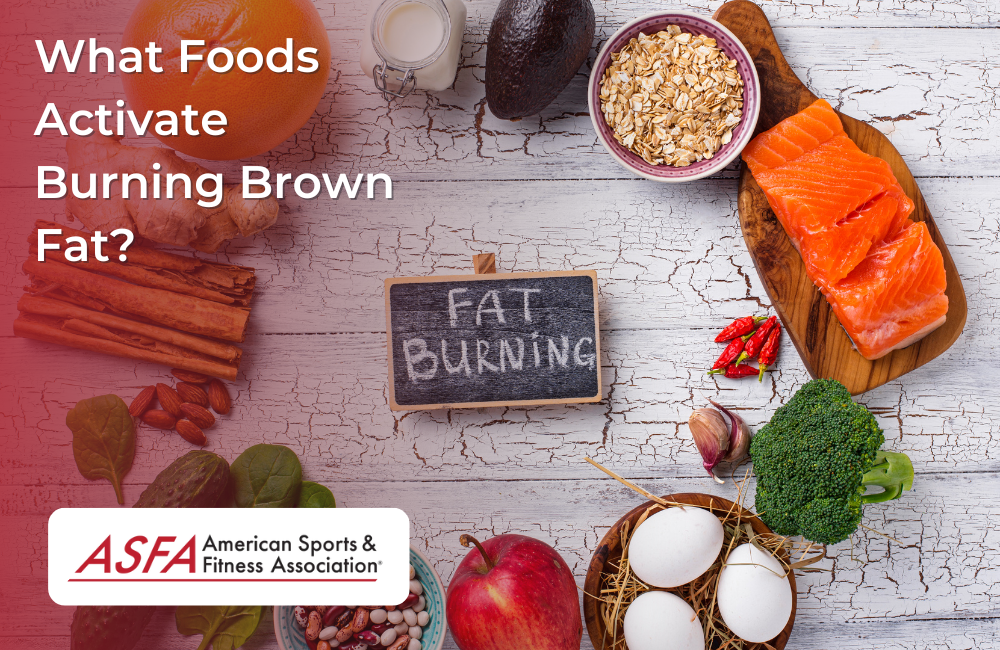
What Foods Activate Burning Brown Fat?
With What Foods Activate Burning Brown Fat?, an all-or-nothing answer misses the point. The practical answer is more specific.
Food can contribute nutrients and enjoyment without needing to be labeled a cure, detox, or metabolic shortcut. A simple rule helps: keep the goal visible and adjust the method.
Brown Fat Is Active Tissue, Not a Diet Switch
Brown adipose tissue, often called brown fat, helps produce heat. Researchers can measure changes in its activity, but that does not mean a meal can switch brown fat on strongly enough to produce meaningful weight loss. In humans, cold exposure is the clearest experimental stimulus. Food-related effects are smaller, vary among people, and remain an active area of research.
What Researchers Have Studied
Human studies and reviews have examined capsaicin and related capsinoids, tea catechins, caffeine, and other plant compounds. Some trials report short-term changes in thermogenesis or markers of brown-fat activity. The findings are not consistent enough to treat any ingredient as a dependable fat-loss method, and a laboratory change in energy expenditure is not the same as a clinically meaningful change in body weight.
A systematic review of dietary components and human brown adipose tissue found promising signals for several compounds while also emphasizing the small evidence base and differences among studies. A broader review of brown-fat interventions likewise found that activation does not automatically translate into substantial weight loss.
Foods That Can Fit a Sensible Plan
Rather than buying foods for a supposed brown-fat effect, choose them for their established nutritional value and how well they fit the full diet.
- Fish: Salmon, trout, sardines, and other fish can contribute protein and, depending on the species, omega-3 fats.
- Beans, lentils, vegetables, fruit, nuts, and seeds: These foods can add fiber, micronutrients, texture, and variety.
- Tea or coffee: Unsweetened versions may fit a person's routine, but caffeine tolerance, sleep, medications, pregnancy, and cardiovascular considerations matter.
- Chili peppers: Capsaicin-containing foods add flavor. They should be treated as food, not as a therapeutic dose or a shortcut to fat loss.
- Dark chocolate: A modest portion can fit an eating pattern, but it remains energy-dense and is not a brown-fat treatment.
A Better Fat-Loss Framework
Body composition changes are driven mainly by sustained energy balance, adequate protein, food quality, activity, sleep, and a plan the person can follow. A practical meal might combine a protein source, vegetables or fruit, a fiber-rich carbohydrate, and an amount of fat that suits the person's needs. That framework is less exciting than a metabolism claim, but it is far more useful.
Be Careful With Thermogenic Supplements
Products marketed as fat burners often combine stimulants or concentrated extracts. More is not necessarily better. Side effects can include sleep disruption, anxiety, digestive symptoms, elevated heart rate, and interactions with medication. Anyone considering a supplement should check the ingredient list, avoid proprietary blends that hide doses, and seek individualized guidance when health conditions or medications are involved.
Safety and Scope
This material is general education, not an individualized nutrition prescription. People with diagnosed conditions, allergies, pregnancy, medication considerations, or a history of disordered eating should seek guidance from an appropriately qualified professional.
The Useful Conclusion
Use the information to make one clear adjustment, then judge the result from repeatable performance rather than novelty.
Practical Guidance
A useful checkpoint: Evaluate the whole eating pattern before crediting one food with a specific outcome. Allergies, intolerances, medications, pregnancy, and diagnosed conditions require individualized advice from an appropriately qualified professional.

Start With the Decision That Matters
Practical decisions related to What Foods Activate Burning Brown Fat depend on context: the serving, the rest of the day’s intake, activity, tolerance, and the goal being pursued.
Clarify whether the goal involves meal convenience, performance fueling, recovery, body-composition planning, or general dietary variety. Then examine the complete meal and the rest of the day. The same item can play a different role depending on portion size, timing, preparation, and what accompanies it.
A Practical Review Checklist
- What is the smallest sustainable improvement?
- What is the actual portion and preparation method?
- How does the choice fit the complete meal and day?
- Is the plan realistic for schedule, budget, access, and preferences?
- What response will be monitored across normal days?
- Is individualized guidance needed for a condition, allergy, or complex goal?
Use the answers as the baseline for the next decision rather than relying on a vague impression of progress.
Use the Smallest Effective Adjustment
Nutrition choices are easier to evaluate when the variables are visible. A food eaten alone may produce a different experience than the same food combined with protein, carbohydrate, fat, fiber, and fluid in a complete meal.
- Keep cultural preferences and budget inside the plan.
- Read the full label when packaged foods are involved.
- Account for preparation oils, sauces, and added ingredients.
- Use a realistic weekly pattern instead of an idealized single day.
Progress Without Losing the Original Goal
Use a gradual process when changing intake. Large restrictions or complicated rules can make it difficult to identify what is helping and may be hard to sustain. Establish the current pattern, choose one priority, and monitor hunger, energy, training quality, recovery, and digestive comfort. Keep the change only when the overall result supports the stated goal.
Track Enough to Make the Next Decision
Before changing the plan again, compare:
- hunger, energy, and satisfaction
- training performance and recovery across normal weeks
- digestive comfort, convenience, and cost
- meal consistency and realistic portions
When the response differs from the expectation, revisit the setup and assumptions before adding more volume, restriction, or complexity.
Why the Same Advice Produces Different Results
Energy needs, body size, activity, food access, culture, preferences, allergies, digestive tolerance, and the rest of the diet all affect the practical choice. General nutrition information can help organize options, but it cannot determine an individualized plan for every person. Keep recommendations flexible enough to fit real meals and seek qualified guidance when needs are complex.
Avoid These Planning Errors
- Using short-term scale movement or one workout as proof of a lasting effect.
- Judging a food from one nutrient while ignoring the complete portion and meal.
- Assuming a food is automatically helpful or harmful for every goal.
- Making several large changes at once and then guessing which one mattered.
A clear plan does not remove uncertainty, but it makes the next adjustment more responsible and easier to explain.
A Practical Review Checklist
- What is the actual portion and preparation method?
- How does the choice fit the complete meal and day?
- Is the plan realistic for schedule, budget, access, and preferences?
- What response will be monitored across normal days?
- Is individualized guidance needed for a condition, allergy, or complex goal?
The checklist is intentionally practical: each answer should change how the plan is designed, delivered, or reviewed.


