
What Foods Are Lipids Found In?
The question What Foods Are Lipids Found In? deserves a qualified answer. Context matters, and broad claims often hide the most important limitations.
Nutrition headlines tend to promise more certainty than the evidence supports. Food choices work within an overall eating pattern; no single ingredient controls health or body composition. Small setup choices can change the experience considerably.
Important Boundaries
For instructors: Evaluate the whole eating pattern before crediting one food with a specific outcome. Allergies, intolerances, medications, pregnancy, and diagnosed conditions require individualized advice from an appropriately qualified professional.
Types of Lipids
Before discussing foods rich in lipids, it's important to understand the various types of lipids:
1. Triglycerides
Triglycerides are the most common type of lipid in the diet and in the body. They consist of three fatty acids attached to a glycerol molecule.
2. Phospholipids
Phospholipids are a class of lipids that are structurally similar to triglycerides but contain a phosphate group. They are essential components of cell membranes and are found in foods like eggs and soybeans.
3. Sterols
Sterols are a type of lipid that includes cholesterol, a substance essential for the production of cell membranes and hormones. Cholesterol is found only in animal-based foods.
Foods Rich in Lipids
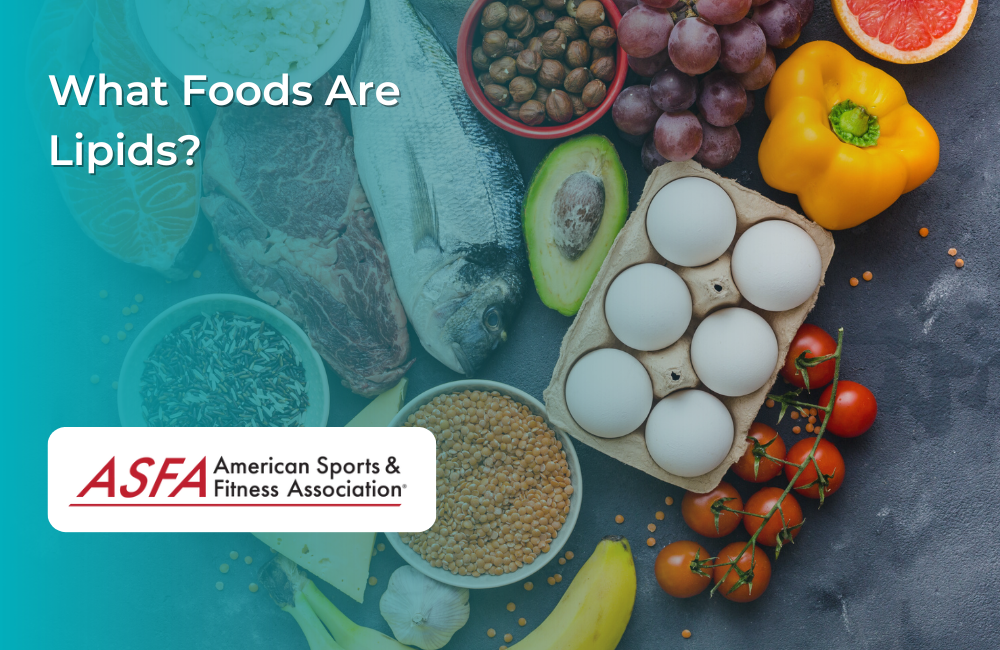
Now, Healthy Sources of Lipids: a. Avocado: Avocado is a nutrient-dense source of healthy fats, primarily monounsaturated fats.
b. Fatty Fish: Salmon, mackerel, sardines, and trout are examples of fatty fish that provide omega-3 fatty acids, which have numerous health benefits, including heart health.
c. Nuts and Seeds: Almonds, walnuts, flaxseeds, chia seeds, and pumpkin seeds are packed with healthy fats, fiber, vitamins, and minerals.
d. Olive Oil: Extra virgin olive oil is a staple in Mediterranean cuisine and is renowned for its monounsaturated fats, which are associated with heart health.
2. Less Healthy Sources of Lipids
a. Trans Fats: Trans fats are artificial fats created through a process called hydrogenation.
b. Saturated Fats: While some saturated fats are considered less healthy when consumed in excess, they are naturally present in foods like fatty cuts of meat, poultry skin, full-fat dairy products, and tropical oils like palm and coconut oil.
c. Processed Foods: Many packaged and processed foods, such as chips, cookies, and fried snacks, contain unhealthy fats, including trans fats and excessive saturated fats.
Balancing Lipids in Your Diet
A balanced diet includes a mix of different fats, with an emphasis on healthier sources. Here are some tips for incorporating lipids into your diet:
- Choose healthy fats: Opt for sources of healthy fats like avocados, fatty fish, nuts, and olive oil.
- Limit saturated and trans fats: Reduce your intake of saturated fats from sources like red meat and full-fat dairy. Avoid trans fats as much as possible.
- Portion control: Even healthy fats can be calorie-dense, so be mindful of portion sizes.
- Read food labels: Check food labels for trans fat content and aim for products with zero trans fats.
- Cooking methods: Use healthier cooking methods like baking, grilling, and steaming instead of frying.
When to Modify or Stop
This material is general education, not an individualized nutrition prescription. People with diagnosed conditions, allergies, pregnancy, medication considerations, or a history of disordered eating should seek guidance from an appropriately qualified professional.
Put It Into Practice
Keep the goal visible, make the smallest change that addresses it, and reassess before adding complexity.
Apply the Idea With Restraint
With What Foods Are Lipids Found In?, the same recommendation can produce different results because total intake, portion, frequency, preferences, allergies, medications, and health history all change what is reasonable.
Review the result as part of the full eating pattern. If the change does not improve consistency, tolerance, or the intended outcome, reconsider the premise before adding more products or restrictions.

Connect the Topic to a Real Objective
The value of What Foods Are Lipids Found In comes from making a workable choice within a broader plan, not from assigning a food or nutrient a universal effect.
A food can be convenient in one setting and impractical in another. A higher-protein choice may support one meal, but it does not compensate for an overall pattern that fails to match energy needs, food preferences, or training demands. Compare realistic portions and preparation methods rather than judging foods from a headline or a single nutrient.
The Final Planning Questions
- What response will be monitored across normal days?
- Is individualized guidance needed for a condition, allergy, or complex goal?
- What is the smallest sustainable improvement?
- What is the actual portion and preparation method?
- How does the choice fit the complete meal and day?
- Is the plan realistic for schedule, budget, access, and preferences?
The checklist is intentionally practical: each answer should change how the plan is designed, delivered, or reviewed.
Use the Smallest Effective Adjustment
Nutrition choices are easier to evaluate when the variables are visible. A food eaten alone may produce a different experience than the same food combined with protein, carbohydrate, fat, fiber, and fluid in a complete meal.
- Keep cultural preferences and budget inside the plan.
- Read the full label when packaged foods are involved.
- Account for preparation oils, sauces, and added ingredients.
- Use a realistic weekly pattern instead of an idealized single day.
Progress From Repeatable Success
Change the plan in small, observable steps. That might mean adding one consistent meal, adjusting a portion, preparing a reliable snack, improving fluid access, or testing a different timing strategy. Review the change across several normal days rather than judging it from one workout or one meal. A workable improvement should fit the person’s schedule and remain tolerable enough to repeat.
What to Review After Several Sessions
Useful tracking can remain simple. Record:
- training performance and recovery across normal weeks
- digestive comfort, convenience, and cost
- meal consistency and realistic portions
- hunger, energy, and satisfaction
Use the record to make a decision: continue, progress, simplify, or replace the current approach. Data that never changes a decision is unnecessary.
Context Changes the Best Choice
Energy needs, body size, activity, food access, culture, preferences, allergies, digestive tolerance, and the rest of the diet all affect the practical choice. General nutrition information can help organize options, but it cannot determine an individualized plan for every person. Keep recommendations flexible enough to fit real meals and seek qualified guidance when needs are complex.
Avoid These Planning Errors
- Comparing labels that use different serving sizes.
- Using general education to manage a condition that requires individualized guidance.
- Following a trend that conflicts with preferences, budget, access, or tolerance.
- Treating supplement marketing as a substitute for a workable eating pattern.
Avoiding these errors makes the guidance easier to individualize and the result easier to evaluate.


