
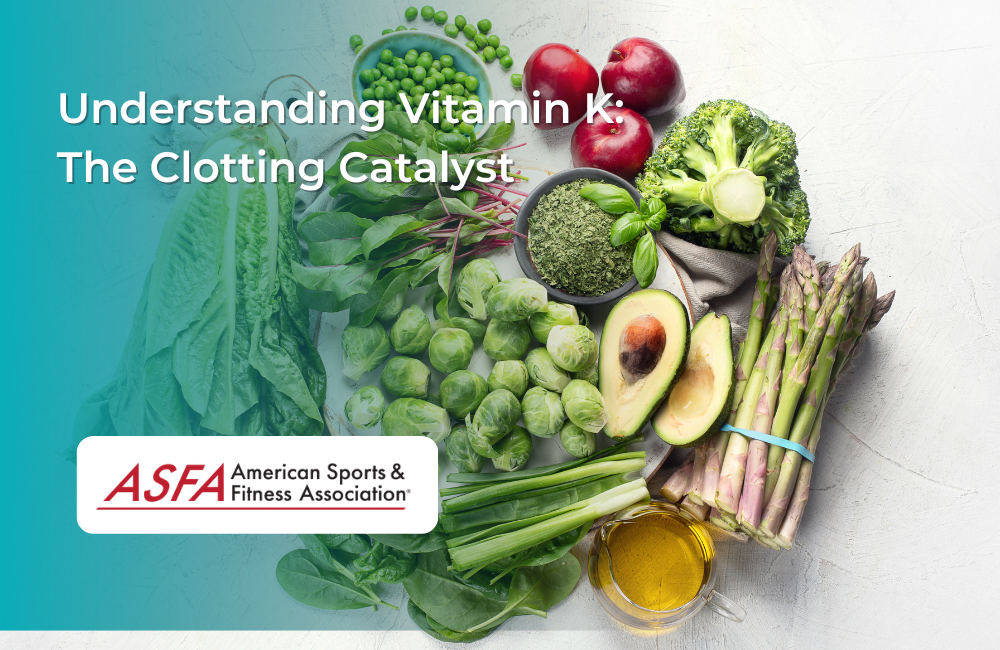
Understanding Vitamin K: The Clotting Catalyst
The vitamins involved in blood clotting include vitamins K1, K2, and K3. Vitamin K1 is found in leafy green vegetables and certain types of oils. Vitamin K2 comes from fermented foods, such as cheese and natto (fermented soybeans), or from supplements. Vitamin K3 is synthetic and not found in food. If you eat more foods high in vitamin K than you need for normal health maintenance then this excess can build up in your body tissue (fat) which could potentially lead to toxicity if not properly disposed of through excretion or metabolism into other compounds that are less toxic than vitamin K itself.
What are the vitamins involved in blood clotting?
Vitamin K1 is found in green leafy vegetables, such as spinach and kale. Vitamin K2 is found in meat, eggs, and dairy products. Vitamin K3 is found in fermented foods like natto (a type of soybean), sauerkraut, kimchi (Korean pickled cabbage), or kefir (a probiotic drink).
If you're not getting enough vitamins K1, K2, and/or K3 from your diet alone, ask your doctor if they think you need to take a vitamin supplement.
How do vitamins K1, K2, and K3 work in our body?
Vitamin K1 is found in leafy green vegetables and helps to keep your blood from clotting too quickly. It also helps the body to use calcium properly.
Vitamin K2 is found in animal products like liver, butterfat, and egg yolks, as well as fermented foods such as sauerkraut, kimchi, and natto (Japanese food made from fermented soybeans). Vitamin K2 helps you absorb calcium from food into bones and prevents softening of bones over time by keeping them strong enough to support the weight without breaking down prematurely or easily bending out of shape due to normal movements throughout life's various stages.
Vitamin K3 can be synthesized by bacteria in our gut when they metabolize phylloquinone present therein into menaquinones that function similarly but have different structures based on length/numbers of carbon chains attached at either end - these menaquinones then bind tightly onto receptor sites located within cell membranes where they act as cofactors for enzymes involved with regulating blood clotting factors II (prothrombin), VIIa/VIIi complexes; this occurs whether we consume these compounds directly through diet or via enteral absorption across intestinal epithelial cells lining small intestine mucosa surfaces due
What foods are high in vitamin K?
- Broccoli, Brussels sprouts, cabbage, cauliflower, collard greens, and kale are all high in vitamin K.
- Bok choy, chard, and mustard greens (also known as rape) are also good sources of the nutrient.
- Parsley is another food that contains high amounts of vitamin K1; add it to your soups or salads for a boost!
If you're looking for more leafy green vegetables to add to your diet--or if you just want some variety--try endive or escarole (also known as chicory). These two veggies have similar nutritional values but differ slightly in taste: Both are bitter when eaten raw but become sweeter once cooked or sauteed with olive oil and garlic cloves.*
Takeaway:
Vitamin K is a fat-soluble vitamin that is essential for blood clotting. It's found in certain foods and can also be made by bacteria in the colon. Some people need to take vitamin K supplements because they don't get enough from food alone, such as infants who are breastfed or babies fed formula rather than breast milk (which contains more of this nutrient).
Vitamin K is necessary for blood clotting; it helps activate proteins known as prothrombin and factor Xa, which trigger a series of reactions that lead to clots forming on damaged tissue inside your body--like when you cut yourself--and outside your body--such as when you bruise yourself or sprain an ankle during exercise. Vitamin K may also be needed to treat bleeding disorders like hemophilia A & B (deficiencies) where patients experience prolonged bleeding after an injury due to a lack of normal amounts circulating within their bloodstreams; these types require injections every few hours until treatment begins working again effectively enough after which point only weekly shots will suffice over time until full recovery occurs naturally without further intervention is necessary."
Conclusion
In summary, vitamin K is an essential nutrient that helps maintain a healthy blood clotting system. Without it, we would run the risk of developing bleeding disorders such as hemophilia or excessive bruising. The most common sources of vitamin K are leafy green vegetables but there are also supplements available if you need extra support in maintaining optimal levels.


