The Top 10 Benefits of Clamshells
The points in The Top 10 Benefits of Clamshells are organized around practical application rather than exaggerated promises.
Technique is not a single perfect shape. It is a repeatable way to complete the movement while controlling the load, range, and positions that matter for the goal. Small setup choices can change the experience considerably.
Important Boundaries
Keep in mind: Choose the variation that permits a stable setup and repeatable range. Add repetitions or resistance only while the same control is maintained; stop when pain or compensation changes the movement.
When to Modify or Stop
Exercise should be adjusted for the participant's experience, symptoms, environment, and available supervision. Stop for sharp pain, dizziness, chest discomfort, sudden weakness, or loss of control, and seek appropriate professional guidance when symptoms are persistent or concerning.
What is the Clamshell Exercise?
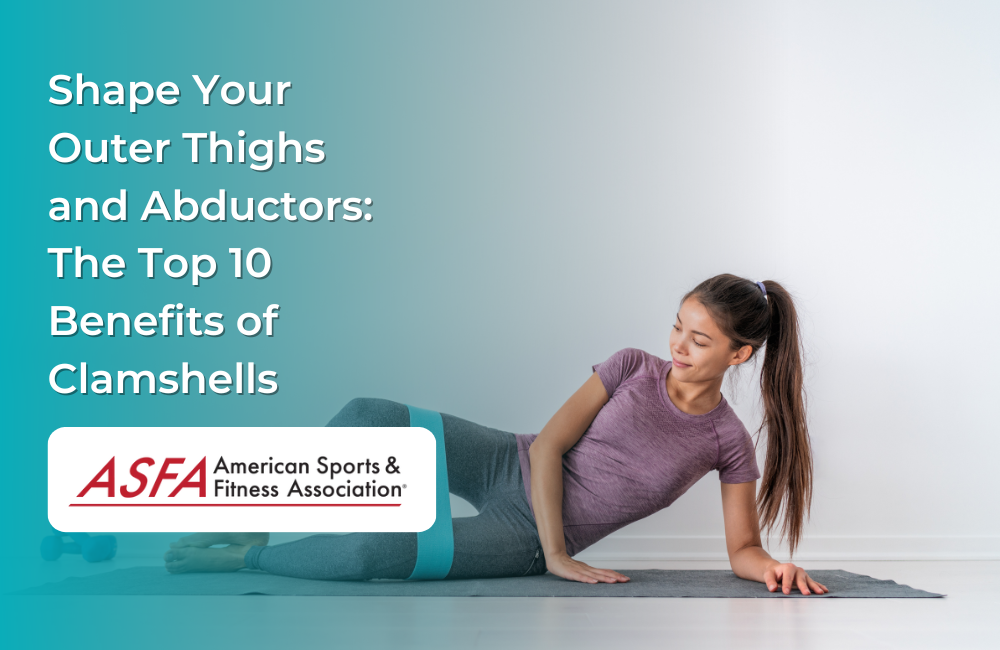
The clamshell exercise is a highly effective movement designed to strengthen the hip abductor muscles, particularly the gluteus medius. This non-weight-bearing exercise can be performed in various positions, such as lying on your side or standing with your feet shoulder-width apart.
Muscles Worked by the Clamshell
The clamshell exercise is a powerhouse for targeting several key muscles in the lower body. Primarily, it focuses on the gluteus medius, which is important for hip abduction and external rotation.
1. Strengthen Hip Abductors
The primary muscles targeted by clamshells are the hip abductors, specifically the gluteus medius and gluteus minimus. These muscles play a useful role in stabilizing your pelvis and hips, which is essential for maintaining balance and proper alignment during movement.
- Benefit: Strong hip abductors improve lower body mechanics, helping you maintain balance and control during movements like walking, running, and climbing stairs.
2. Improve Hip Mobility
Clam exercise, also known as clamshells, helps increase hip mobility by encouraging a full range of motion in the hip joint. Tight or weak hips can lead to restricted movement, discomfort, and a higher risk of injury.
- Benefit: Improved hip mobility allows for greater freedom of movement, making everyday tasks and athletic activities easier and more comfortable.
3. Enhance Posture and Alignment
Weak hip abductors and gluteal muscles often contribute to posture and alignment issues, such as anterior pelvic tilt or knee valgus (when the knees collapse inward). By strengthening the abductors and gluteal muscles through clamshells, you can correct these imbalances and promote proper alignment in your lower body.
- Benefit: Correcting postural imbalances helps reduce discomfort, improve overall movement patterns, and prevent long-term issues such as lower back pain or knee injuries.
4. Support Functional Movements
The hip abductors are important for functional movements like walking, running, jumping, and squatting, and proper muscle recruitment patterns can significantly enhance these activities. Strengthening these muscles with clamshells helps enhance your ability to perform these everyday movements more efficiently.
- Benefit: Improved hip abductor strength translates to better performance in sports, exercise, and daily tasks that require lower body stability and mobility.
5. Boost Glute Activation
Clamshell exercises are excellent for targeting the gluteus medius and gluteus minimus, key muscles in the gluteal group. Many people struggle with underactive glutes, which can lead to imbalances in the lower body and improper movement mechanics.
- Benefit: Increased glute activation supports stronger, more toned glutes, which enhances lower body strength and contributes to a more defined and balanced physique.
6. Low-Impact Exercise
Clamshells are a low-impact exercise, making them an ideal option for individuals with joint issues or those recovering from injuries. Unlike high-impact exercises that place stress on your knees, hips, or ankles, clamshells provide a gentle yet effective way to strengthen the muscles around your joints without causing additional strain.
- Benefit: This exercise is suitable for people of all fitness levels, especially those with joint pain or mobility limitations, as it minimizes stress on the joints while still offering significant strength benefits.
7. Easy to Modify
One of the great things about clamshells is their versatility. This exercise can be easily modified to suit different fitness levels.
- Benefit: You can gradually increase the difficulty of clamshells by incorporating resistance bands or weights, allowing you to continually challenge your muscles as they grow stronger.
8. Improve Balance and Stability
Strong hip abductors are essential for maintaining balance and stability, particularly during single-leg movements such as lunges, step-ups, or balancing exercises. Clamshells help improve the strength and coordination of these muscles, reducing the risk of falls and improving overall athletic performance.
- Benefit: Better balance and stability enhance your ability to perform dynamic movements, making you more agile and reducing the risk of injury during both exercise and daily activities.
9. Prevent and Rehabilitate Injuries
Weak hip abductors can contribute to a range of lower body injuries, including iliotibial (IT) band syndrome, patellofemoral pain syndrome (runner’s knee), and lower back pain. Incorporating clamshells into your routine can help prevent these injuries by strengthening the hip abductors and promoting proper alignment.
- Benefit: Clamshells support injury prevention by correcting imbalances and strengthening muscles that are often overlooked. They are also a key component of rehabilitation programs for hip, knee, and lower back issues.
10. Versatile and Convenient
Clamshells are incredibly versatile and widely used in sports physical therapy, and can be performed virtually anywhere—at home, in the gym, or even while traveling. They require minimal equipment, making them a convenient addition to your fitness routine.
- Benefit: The convenience of clamshells makes them an excellent exercise for people with busy schedules or limited access to equipment. You can easily integrate them into your routine to stay on top of your fitness goals no matter where you are.
Adding the Clamshell to Your Workout Routine
Incorporating the clamshell exercise into your workout routine can significantly improve hip mobility, strengthen the gluteus medius, and enhance overall lower body strength. To start, perform the exercise in a lying position with your hips stacked and your legs bent at a 90-degree angle.
How to Perform Clamshells Correctly
To get the most out of clamshells and avoid injury, it’s important to perform them with proper form. Follow these steps for optimal results:
- Starting Position: Begin by lying on your side with your legs bent at a 90-degree angle and your feet together. Ensure your hips, knees, and ankles are stacked on top of each other.
- Engage Your Core: Activate your core muscles to stabilize your pelvis and maintain a neutral spine throughout the movement.
- Lift Your Top Knee: While keeping your feet together, slowly lift your top knee away from the bottom knee in a controlled motion. Imagine opening and closing a clamshell.
- Pause: Hold the position at the top for a moment, ensuring that you don’t rotate your pelvis or lose alignment.
- Lower Slowly: Gently lower your top knee back to the starting position, maintaining control and alignment.
- Repeat: Complete the desired number of repetitions on one side before switching to the other.
Put It Into Practice
Good coaching leaves room for feedback. If the response does not match the goal, adjust the dose, range, exercise, or expectation.