
The Top 5 Healthiest Fruits
The Top 5 Healthiest Fruits covers several ideas, but they do not all carry the same weight. Start with the points that affect execution and consistency.
Fitness advice becomes useful when it can be applied consistently. The best option is usually the one that fits the goal, equipment, experience, and recovery available. The distinction matters in practice.
Limits and Safety
Exercise should be adjusted for the participant's experience, symptoms, environment, and available supervision. Stop for sharp pain, dizziness, chest discomfort, sudden weakness, or loss of control, and seek appropriate professional guidance when symptoms are persistent or concerning.
Decision Points
A useful checkpoint: Use a starting workload that can be repeated with consistent technique. The most useful progression is often modest: an extra repetition, a small load increase, or slightly more total work.
Blueberries
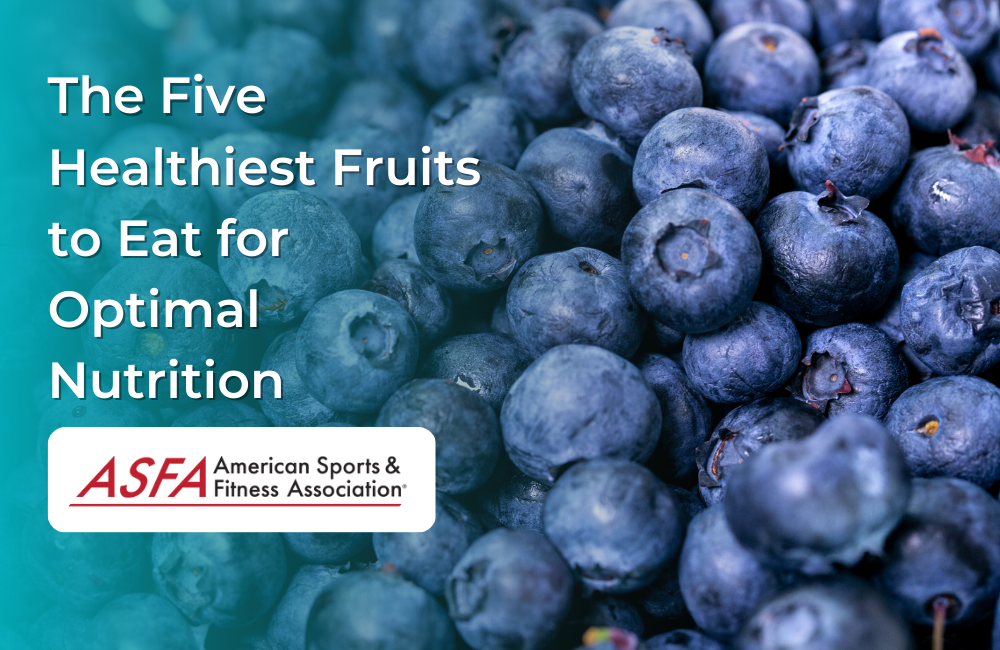
Blueberries are a nutritional powerhouse packed with antioxidants, vitamins, and minerals. They’re one of the healthiest fruits you can eat, and they’re delicious too!
Apples
Apples are one of the healthiest fruits you can eat! They are a great source of dietary fiber, vitamins A and C, potassium, and antioxidants.
Pears
Pears are a great addition to any healthy diet. Not only do they have a great taste, but they also offer many health benefits.
Pears are especially rich in fiber, providing up to 6 grams per medium fruit. Eating enough fiber is important for proper digestion and for maintaining a healthy weight.
One of the most impressive benefits of pears is their antioxidant content. Antioxidants can help protect against cellular damage and reduce inflammation, both of which are important for good health.
Oranges
Oranges are one of the most popular fruits in the world and are a great addition to any diet. They have an incredibly high nutrient content, containing vitamin C, thiamine, folate, potassium, and fiber.
Studies have shown that oranges may help reduce the risk of cancer and heart disease due to their high levels of antioxidants and polyphenols. They are also excellent for boosting immunity and helping to prevent infections due to their high vitamin C content.
Grapefruit
Grapefruit is an incredibly healthy and delicious citrus fruit that is packed with vitamins and nutrients. Rich in Vitamin C, this vibrant fruit also provides a good source of dietary fiber, potassium, vitamin A, B vitamins, and lycopene.
Grapefruit has a variety of health benefits, including improved immunity and digestive health. Studies have shown that the antioxidants found in grapefruit can help reduce inflammation and improve heart health.
When selecting a grapefruit, look for one that is firm and heavy for its size with a fragrant aroma. The color of the grapefruit should be yellow or pink; the latter indicates that it is sweeter than the former.
Final Coaching Note
Use the information to make one clear adjustment, then judge the result from repeatable performance rather than novelty.
What Good Application Looks Like
Before applying The Top 5 Healthiest Fruits, define the outcome in terms that can be observed. That may be steadier technique, a tolerable training dose, better consistency, clearer client communication, or a decision between two reasonable options.
- Goal: State what should improve and why it matters.
- Starting point: Use the person's current ability, experience, equipment, and constraints.
- Dose: Decide how much work or change is appropriate before adding more.
- Feedback: Track technique, tolerance, consistency, and the response after the session.
Know When to Change Course
Keep the first adjustment modest. If the response is useful and repeatable, progress one variable—such as range, load, duration, complexity, or frequency. If the result is poor, change the limiting variable instead of assuming that more effort will solve it.
Look Beyond a Single Session
With The Top 5 Healthiest Fruits, the same recommendation can produce different results for two people. Experience, recent workload, movement skill, available equipment, schedule, preferences, and recovery all change what is reasonable.
Review the result over several exposures rather than judging one unusually good or difficult session. Useful progress is usually visible as better control, a more appropriate workload, improved consistency, or clearer decision-making.

Give the Idea a Clear Job
The guidance in The Top 5 Healthiest Fruits becomes more reliable when assumptions are made visible and the plan can be adjusted from feedback.
Distinguish what is known, what is being assumed, and what still needs to be tested. This keeps the guidance flexible and prevents a general principle from being treated as a universal rule. The result should be a plan that can respond to actual feedback.
Control the Variables That Change the Result
Time, equipment, experience, environment, frequency, competing priorities, and recovery can all change the value of a recommendation.
- Track the result that matters instead of collecting unnecessary data.
- Revise the plan when the outcome does not match the objective.
- State the assumptions behind the plan.
- Choose a version that can be repeated consistently.
Progress Without Losing the Original Goal
Establish a baseline, make one meaningful adjustment, and set a review point. Progress when the result is stable enough to interpret. If the change creates more friction than benefit, simplify it. A plan that can be repeated and evaluated usually produces better information than a dramatic change that is abandoned quickly.
What to Review After Several Sessions
Before changing the plan again, compare:
- the starting point and the exact change made
- a result connected to the stated objective
- consistency across several normal attempts
- constraints or side effects that make the plan harder to sustain
Use the record to make a decision: continue, progress, simplify, or replace the current approach. Data that never changes a decision is unnecessary.
Adapt the Guidance to the Person
The same information can lead to different responsible decisions because the starting points are different. Make the assumptions visible, use a realistic baseline, and review the response. Individualization does not mean abandoning standards; it means applying them to the actual situation.
Where Good Information Can Go Wrong
- Replacing the whole plan when one component needs adjustment.
- Using a best-case scenario as the normal expectation.
- Ignoring the environment and resources required to follow the plan.
- Continuing an approach because it sounds persuasive rather than because it works.
The correction is straightforward: return to the objective, simplify the setup, and change only what the available feedback supports.
A Simple Implementation Check
- What outcome matters most?
- Which assumptions are being made?
- What action can be repeated under normal conditions?
- What evidence will be reviewed?
- When will the plan be reassessed?
Use the answers as the baseline for the next decision rather than relying on a vague impression of progress.


