
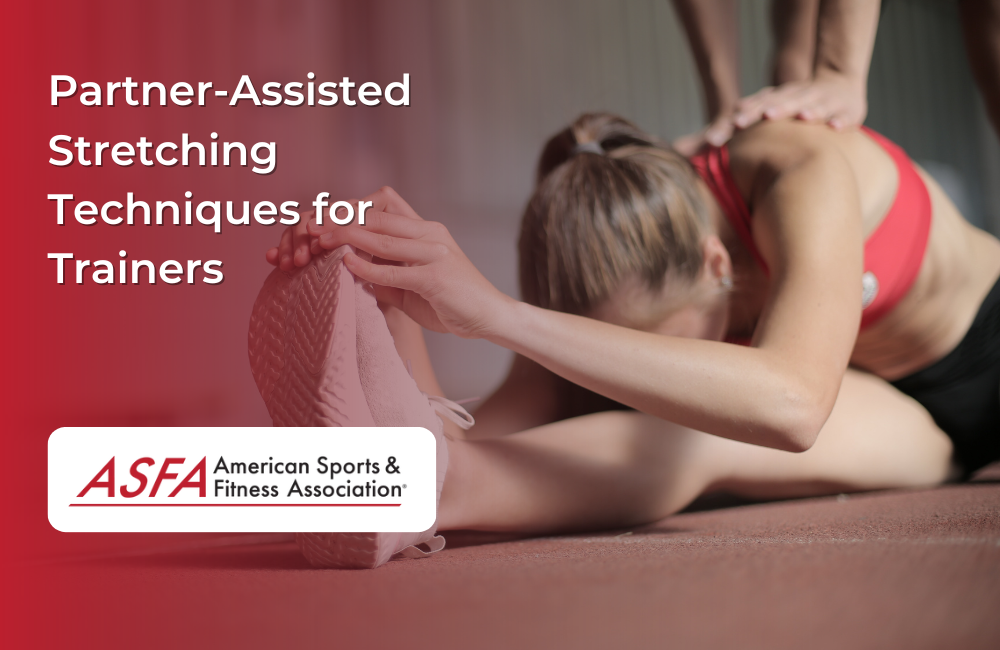
Partner-Assisted Stretching Techniques for Trainers
The clearest way to discuss Partner-Assisted Stretching Techniques for Trainers is to narrow the claims and state the practical limits plainly.
Mobility changes slowly and responds to regular practice. Sensation alone is not proof that a drill is helping. That is where the details become useful.
A Necessary Safety Note
Exercise should be adjusted for the participant's experience, symptoms, environment, and available supervision. Stop for sharp pain, dizziness, chest discomfort, sudden weakness, or loss of control, and seek appropriate professional guidance when symptoms are persistent or concerning.
The Benefits of Partner- Assisted Stretching
Partner-assisted stretching involves one person (the trainer) assisting another person (the client) in performing stretching exercises. This form of stretching offers several advantages:
- Enhanced Range of Motion: With the support of a trainer, clients can achieve more profound stretches, targeting muscles and areas that might be challenging to reach on their own.
- Deeper Stretching: Partner-assisted stretching allows for targeted stretching of specific muscle groups, which can lead to more significant improvements in flexibility.
- Correct Form: Trainers can ensure that clients maintain proper form during stretches, reducing the risk of injury and enhancing the effectiveness of the stretch.
- Motivation and Accountability: Partner-assisted stretching can motivate clients to push their boundaries and achieve better results while providing them with the necessary guidance and support.
Safety Considerations
Safety should always be the top priority when incorporating partner-assisted stretching into training sessions. Here are essential safety considerations for trainers:
- Client Assessment: Before beginning partner-assisted stretching, assess the client's current flexibility, any existing injuries, and their comfort level with partner-assisted stretching.
- Clear Communication: Establish clear communication with the client throughout the session. Encourage them to communicate any discomfort or pain immediately.
- Gradual Progression: Start with gentle stretches and gradually progress to more advanced stretches as the client's flexibility improves.
- Proper Alignment: Ensure proper body alignment during stretches to prevent strain or injury. Use cues and hands-on guidance to help clients achieve correct positioning.
- Respect Client's Limits: Respect the client's limits and never force a stretch. The client should always be in control of the intensity of the stretch.
Effective Partner-Assisted Stretching Techniques
Here are some effective partner-assisted stretching techniques that trainers can incorporate into their sessions:
Instructions
- The client lies on their back with one leg extended upward.
- The trainer gently holds the client's ankle and guides the extended leg toward the client's chest.
- Hold the stretch for 15-30 seconds and switch legs.
2. Partner Quadriceps Stretch
- The client lies face down on a mat.
- The trainer bends the client's knee and gently pulls the heel toward the glutes.
- Hold the stretch for 15-30 seconds and switch legs.
3. Partner Hip Flexor Stretch
- The client stands with one foot forward in a lunge position.
- The trainer stands behind the client, placing their hands on the client's hips.
- The trainer gently presses forward to stretch the hip flexors.
- Hold the stretch for 15-30 seconds and switch sides.
4. Partner Shoulder Stretch
- The client stands with their arms extended to the sides.
- The trainer stands behind the client and gently presses down on the client's arms, stretching the shoulders.
- Hold the stretch for 15-30 seconds.
5. Partner Chest Opener Stretch
- The client stands with their arms extended forward at shoulder height.
- The trainer stands in front of the client and gently presses backward on the client's arms, opening the chest.
- Hold the stretch for 15-30 seconds.
6. Partner Spinal Twist Stretch
- The client lies on their back with their arms extended to the sides.
- The trainer stands beside the client's bent knees.
- The trainer gently guides the client's knees to one side, creating a spinal twist.
- Hold the stretch for 15-30 seconds and switch sides.
Before You Progress
Coach's note: Use a range that creates tension without sharp pain, numbness, or loss of control. Longer or deeper is not automatically better; progress should be based on repeatable motion and the demands of the activity.
Where This Leaves the Decision
A sound plan does not need to look dramatic. It needs to be understandable, repeatable, and appropriate for the person using it.
Give the Idea a Clear Job
A strong plan for Partner-Assisted Stretching Techniques for Trainers connects technique with programming, recovery, and the participant’s current level of control.
For strength, the plan may emphasize load and long rest periods. For muscular endurance, the same movement may use lighter resistance, more repetitions, and shorter recovery. Technique practice may call for low fatigue and frequent high-quality repetitions. Conditioning may use a different structure again. Those approaches are not interchangeable simply because the exercise name is the same.
Use Simple Evidence, Not Guesswork
A short record is usually enough. Review:
- where technique first changed
- whether the target goal improved across several sessions
- whether fatigue interfered with other training
- the variation and setup used
Look for a pattern across several comparable attempts. One unusually good or difficult day should not determine the entire plan.
Context Changes the Best Choice
Two people can use the same exercise for different reasons and need different versions. Training history, limb proportions, mobility, confidence, equipment, schedule, symptoms, and the rest of the program all affect the decision. Standardize the objective and the tracking method; individualize the setup and dose. That balance makes comparisons more useful without forcing every repetition to look identical.
Where Good Information Can Go Wrong
- Using fatigue or soreness as the only evidence of an effective session.
- Forcing a standardized range or stance when another controlled setup better fits the participant.
- Choosing the hardest variation before the base movement is controlled.
- Increasing load, repetitions, range, and frequency at the same time.
The goal is not perfect control of every variable. It is enough consistency to make an informed next decision.
A Simple Implementation Check
- What load, range, tempo, and rest will be recorded?
- What sign will indicate that the set or session should stop?
- Which single variable may progress next?
- How will this work fit with the rest of the week?
- What is the primary training objective?
- Which variation allows the intended technique today?
This review keeps the next step tied to the topic while leaving room for individual judgment and feedback.
Use the Smallest Effective Adjustment
Small programming changes can make the same movement serve a different purpose. Slower repetitions increase time under tension; longer rest may preserve force; shorter rest changes the conditioning demand; additional range can increase difficulty even without more weight.
- Choose the variable that best matches the current goal.
- Record enough detail to repeat the session accurately.
- Do not treat fatigue as proof that the exercise was well selected.
- Progress only while the intended movement pattern remains recognizable.


