

Recommended Texts & Manuals
Stretching Coach Certification
Stretching Coach Certification
Earn your Stretching Coach Certification and add structured flexibility, mobility, and range-of-motion work to your client programs.
Pay Only If You Pass
No required courses
100% online & self-paced
Instant certificate after passing
100,000+ Certifications Issued Worldwide
Couldn't load pickup availability
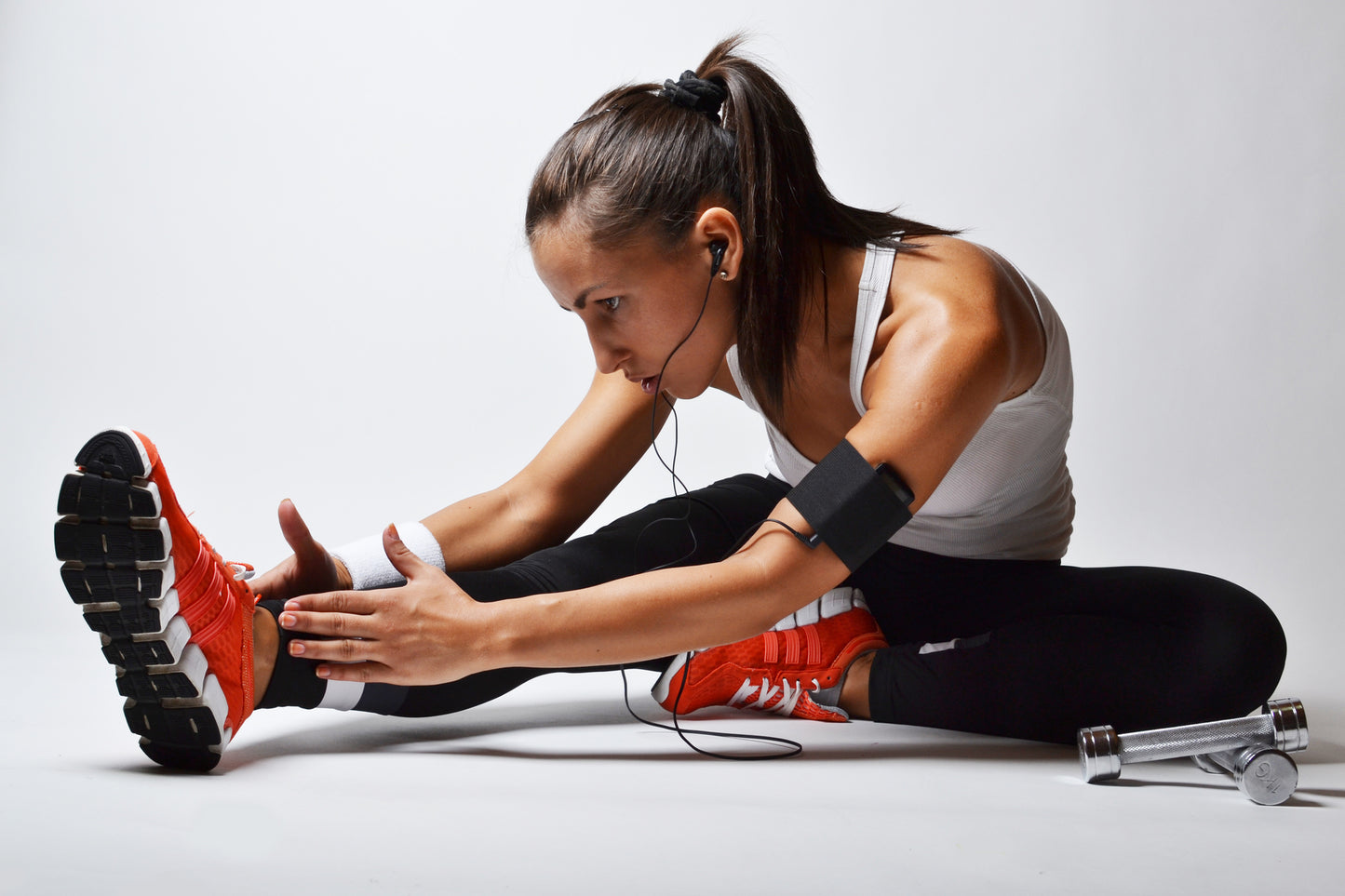
About Our Stretching Coach Certification
More Flexibility Is Not Always Better
A useful stretching session is not a contest to see who can move farthest. Range has to fit the person, the joint, the activity, and the purpose of the session. A coach who treats every limitation as something to push through can create discomfort without improving movement.
ASFA's Stretching Coach Certification gives prepared candidates a way to demonstrate knowledge of flexibility, mobility, dynamic and static stretching, session timing, cueing, assisted techniques, and professional boundaries. Candidates may be trainers, coaches, group instructors, recovery-focused professionals, or knowledgeable fitness enthusiasts.
The examination comes before the purchase. Pass first and decide whether you want the certification. If you do not pass, you are not charged. Continue studying, practicing, or seeking hands-on instruction, then try again.
What Is a Stretching Coach Certification?
A Stretching Coach Certification is a professional fitness credential that recognizes knowledge of planning and guiding flexibility- and mobility-focused sessions. It addresses stretch selection, positioning, range, intensity, duration, breathing, communication, participant tolerance, and the difference between general fitness instruction and services that require a healthcare qualification.
The credential may complement personal training, sports coaching, group exercise, yoga, Pilates, active-aging programs, and recovery-oriented fitness services. It does not authorize diagnosis, rehabilitation, or treatment of pain or injury.
The Same Stretch Can Be Right at One Time and Wrong at Another
Context changes the decision. A dynamic movement used before training has a different purpose from a longer static stretch used after a session or in a dedicated flexibility block. A client preparing to sprint does not need the same sequence as someone working gradually on comfortable range of motion.
The coach also has to distinguish tension from warning. Stretching should not become a negotiation with sharp pain, numbness, tingling, or a joint position that feels unstable. Knowing when to reduce intensity or stop is as important as knowing how to set up the movement.
Good stretching instruction is specific. It identifies the goal, chooses an appropriate method, and gives the participant room to respond.
Knowledge Assessed on the Examination
- Flexibility and mobility: understanding related but distinct movement qualities and selecting work that fits the objective.
- Static stretching: using position, intensity, duration, and breathing appropriately.
- Dynamic stretching: organizing controlled movement for preparation without turning it into uncontrolled momentum.
- Session timing: deciding where stretching belongs within a warm-up, cool-down, recovery routine, or stand-alone session.
- Body position and support: creating stable setups that allow the intended area to be addressed without unnecessary strain elsewhere.
- Assisted techniques: understanding communication, consent, pressure, positioning, and the limits of hands-on work.
- Individual tolerance: adjusting range and intensity rather than prescribing one target to everyone.
- Instructional cueing: explaining where the movement should be felt and what signs call for a change.
- Professional scope: recognizing when a concern belongs with an appropriately qualified healthcare professional.
A coach should be able to explain why a stretch is being used, not simply identify its name.
Knowledge Can Come From Coaching, Practice, or Study
ASFA does not require you to be working professionally before testing. A personal trainer may already include structured mobility work. An athlete or coach may understand warm-up and recovery routines. A yoga or Pilates instructor may have years of experience teaching controlled range. A serious fitness enthusiast may have studied flexibility independently.
If that knowledge is ready, the examination provides a way to validate it. If it is not, there is no upfront financial penalty for finding out.
Use the result constructively. Optional materials are available, but they are not required. You may also take workshops, practice under supervision, study anatomy and movement principles, or pursue another educational route before returning to the exam.
Why ASFA Lets You Test First
Many certification programs bundle instruction, books, and testing into one upfront price. That structure is appropriate for someone who wants a complete prescribed course. It is inefficient for a candidate who has already learned the subject through another path.
ASFA separates education from validation. Take the examination online when you believe you are prepared. If you pass, purchase the credential if it has value for your work. If you do not pass, no payment is due.
Pay Only if You Pass respects prior learning without pretending that prior learning is always sufficient.
Professional Use and Scope
Stretching and mobility services may be offered within personal training, athletic preparation, group fitness, private sessions, active-aging programs, and general wellness settings. A well-defined specialty can help a professional explain that part of a service more clearly to clients.
Hands-on assisted stretching deserves particular care. Consent, communication, positioning, facility policy, insurance, and professional boundaries all matter. A fitness credential does not authorize treatment of an injury or a condition. When a client presents symptoms or limitations outside your scope, refer rather than improvise.
Employers and facilities set their own requirements. Some may accept a specialty credential alongside a general fitness certification; others may require additional practical training.
Accreditation and Credential Options
ASFA is fully accredited by the International Council for Online Educational Standards (ICOES). After you pass, complete checkout only if the certification is worthwhile to you; your digital certificate is normally emailed within minutes.
The one-year option requires retesting and repurchasing before expiration. The lifetime option requires continued activity in the certified field and one relevant continuing-education class, course, or seminar each year.
Questions About Stretching Certification
Can I take the examination if I am not a personal trainer?
Yes. Professional status is not required. You do need enough knowledge of flexibility, mobility, positioning, safety, and instructional scope to pass the examination and use the material responsibly.
Does this certification qualify me to diagnose or treat pain?
No. It is a fitness credential, not a healthcare license. Do not diagnose injuries, prescribe rehabilitation, or promise treatment outcomes beyond your qualifications.
Does the examination address assisted stretching?
It includes general concepts related to assisted stretching. Any hands-on application should also reflect consent, practical competence, employer policy, insurance requirements, and applicable professional rules.
Is ASFA fully accredited?
Yes. ASFA is fully accredited by the International Council for Online Educational Standards (ICOES).
Will employers accept it?
Requirements vary by employer, facility, insurer, and role. Confirm whether the organization expects a general personal-training credential, practical experience, or other qualifications in addition to the specialty certification.
What if I do not pass?
You are not charged. Study the areas that need work and return to the examination when you are better prepared.
When do I get the certificate?
After you pass and complete checkout, your digital certificate is normally emailed within minutes.