
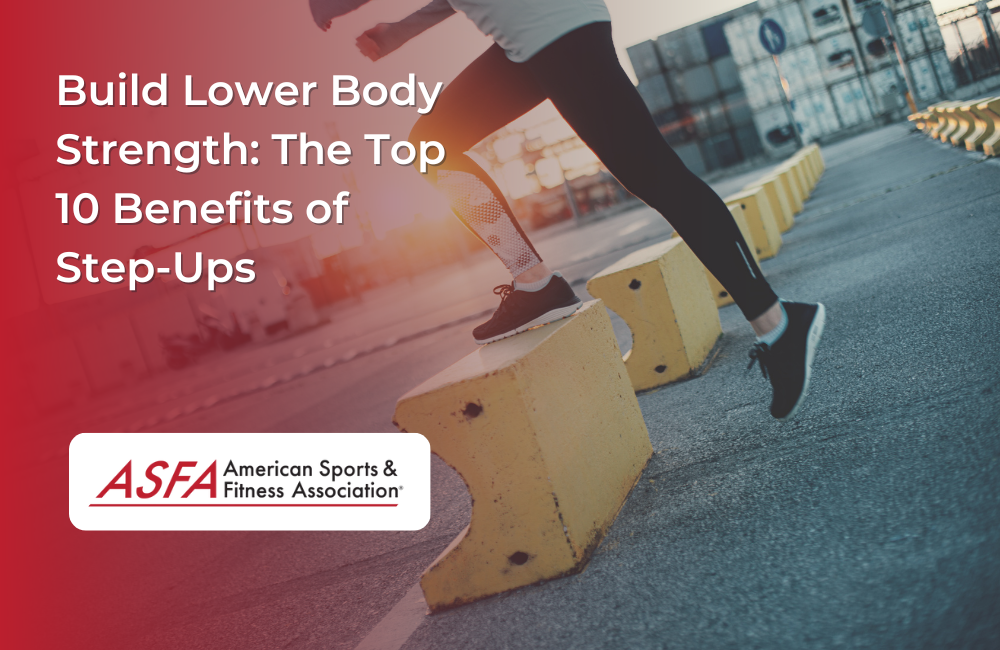
Build Lower Body Strength: The Top 10 Benefits of Step-Ups
Build Lower Body Strength: The Top 10 Benefits of Step-Ups is most useful when each item connects to a real training or coaching decision. A longer list is not automatically a better one.
Technique is not a single perfect shape. It is a repeatable way to complete the movement while controlling the load, range, and positions that matter for the goal. Small setup choices can change the experience considerably.
Important Boundaries
For instructors: Choose the variation that permits a stable setup and repeatable range. Add repetitions or resistance only while the same control is maintained; stop when pain or compensation changes the movement.
What are Step-Ups?
Step-ups are a powerhouse among lower body exercises, targeting multiple muscle groups simultaneously. This compound movement involves stepping up onto a platform or step with one foot, then bringing the other foot up to meet it.
Lower Body Anatomy and Movement
Understanding the anatomy of your lower body can help you appreciate the effectiveness of step-ups. The primary muscles involved in this exercise include the quadriceps, hamstrings, glutes, and calf muscles.
Step-Up Benefits
- Builds Leg Strength
- Muscle Engagement: Step-ups are a unilateral exercise, meaning they focus on one leg at a time. This helps address muscle imbalances that might occur if one leg is stronger than the other.
- Compound Movement: Since step-ups are a compound exercise, they involve multiple joints and muscle groups working together. This makes them more effective for building functional strength compared to isolation exercises that target only one muscle group.
How to Perform a Step-Up with Proper Form
To maximize the benefits of step-ups and minimize the risk of injury, it’s important to perform them with proper form. Follow these steps to ensure you’re doing it right:
- Stand in front of a platform or step with your feet hip-width apart.
- Place your right foot on the platform or step, keeping your left foot on the ground.
- Push through your right heel to lift your body, bringing your left foot up to meet your right foot on the platform.
- Step back down to the starting position with your left foot first, followed by your right foot.
- Repeat the movement, alternating legs.
Warm-Up (10 minutes): Stand with your feet hip width apart
- Light Cardio (5 minutes): Engage in light jogging, cycling, or brisk walking to increase blood flow and warm up your muscles.
- Dynamic Stretching ** (5 minutes)**: Focus on movements that prepare your lower body for exercise, such as incorporating leg exercises to ensure your muscles are ready for the workout.
- Hip Circles: Stand on one leg and rotate the other leg in a circular motion to warm up your hip joints.
- Leg Swings: Swing your legs forward and backward, then side to side, to loosen your hip flexors and hamstrings.
- Walking Lunges: Perform lunges while walking forward to stretch and activate your hip flexors, quadriceps, and hamstrings.
Main Workout (35-45 minutes)
- Sets: 3
- Reps: 10-12 per leg
- Rest: 60 seconds between sets
- Execution:
- Stand facing a bench or sturdy platform with a dumbbell in each hand.
- Step up onto the platform with your right foot, pushing through your heel to lift your body.
- Bring your left foot up to meet the right on the platform.
- Step back down with your right foot, followed by the left.
- Repeat on the opposite leg.
- Progression: Increase the weight of the dumbbells or the height of the platform as you get stronger.
Cool-Down (10 minutes)
- Static Stretching:
- Hamstrings: Sit with one leg extended and reach for your toes, holding for 20-30 seconds. Repeat on the other leg.
- Quadriceps: Stand and pull one foot toward your glutes, holding your ankle for 20-30 seconds. Repeat on the other leg.
- Glutes: Sit and cross one ankle over the opposite knee, then gently press the knee away from your body to stretch the glutes. Hold for 20-30 seconds on each side.
- Calves: Stand facing a wall and place one foot back, keeping the heel on the ground and the knee straight. Lean forward to stretch the calf.
Common Mistakes to Avoid in Step-Ups
While step-ups are straightforward, there are common mistakes that can compromise their effectiveness and increase the risk of injury. Here are some pitfalls to watch out for:
- Letting the Knee Extend Past the Toes: This can put unnecessary strain on your knee joint. Ensure your knee stays aligned with your toes.
- Not Keeping the Back Straight: A rounded back can lead to poor posture and potential back issues. Keep your back straight and chest lifted.
- Not Engaging the Core Muscles: Your core stabilizes your body during the movement. Engage your core to maintain balance and proper form.
- Not Stepping Up with the Heel of the Foot: Pushing through your toes can strain your calf muscles. Step up with your heel to engage your glutes and hamstrings effectively.
- Not Bringing the Other Foot Up to Meet the First Foot: Ensure both feet meet on the platform to complete the movement fully and maintain balance.
Tips for Optimal Performance: Engaging Lower Body Muscles
- Start Slow: If you’re new to step-ups or strength training, start with a lower platform and bodyweight only. Begin with your feet shoulder-width apart to ensure stability.
- Focus on Form: Proper form is important to avoid injury and maximize benefits. Keep your knee aligned with your toes, your back straight, and your core engaged throughout the movement.
- Progression: As you get stronger, challenge yourself by increasing the height of the step, adding weights, or incorporating explosive movements like jumps.
- Listen to Your Body: If you feel any pain (not to be confused with muscle burn), particularly in your joints, stop and reassess your form. Consider lowering the intensity or consulting with a fitness professional.
- Balanced Training: Include step-ups as part of a balanced workout routine that also incorporates upper body exercises, core work, and flexibility training to ensure overall fitness and prevent imbalances.
Put It Into Practice
Keep the goal visible, make the smallest change that addresses it, and reassess before adding complexity.
Turn the Information Into a Decision
A strong plan for Build Lower Body Strength: The Top 10 Benefits of Step-Ups connects technique with programming, recovery, and the participant’s current level of control.
For strength, the plan may emphasize load and long rest periods. For muscular endurance, the same movement may use lighter resistance, more repetitions, and shorter recovery. Technique practice may call for low fatigue and frequent high-quality repetitions. Conditioning may use a different structure again. Those approaches are not interchangeable simply because the exercise name is the same.
Why the Same Advice Produces Different Results
Exercise selection should fit the participant rather than require the participant to fit a preferred variation. A different stance, grip, range, resistance, or tool may preserve the goal more effectively. Use the version that allows a controlled and repeatable pattern, then progress from the response rather than from an arbitrary timetable.


