
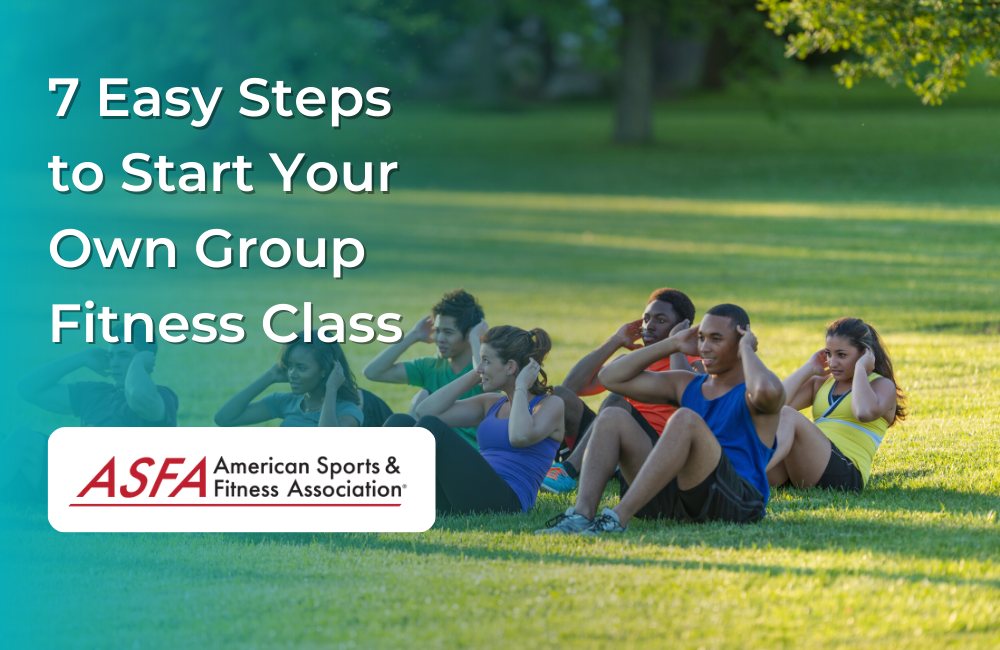
7 Easy Steps to Start Your Own Group Fitness Class
The points in 7 Easy Steps to Start Your Own Group Fitness Class are organized around practical application rather than exaggerated promises.
A strong group session looks energetic from the outside and organized underneath. Coaching, spacing, scaling, and transitions determine whether the class works. The practical question is how to use the information without overstating it.
Use It in Practice
Practical point: Plan regressions, progressions, traffic flow, equipment spacing, and transition time before class. The coach should be able to see participants and change the session when technique or fatigue warrants it.
1) Define Your Target Audience and Demographics
Defining your target audience and demographics is an important step in creating a successful fitness class business. Your target audience refers to the specific group of people you want to cater to with your fitness classes.
To define your target audience, consider the following factors:
- Age: What age range do you want to cater to? Are you targeting young adults, seniors, or families with children?
- Fitness level: Are you targeting beginners, intermediate, or advanced fitness enthusiasts?
- Interests: What type of fitness activities are your target audience interested in? Are they into dance, strength training, or yoga?
- Goals: What are the fitness goals of your target audience? Are they looking to lose weight, build muscle, or improve overall health?
Pilates
- Targets core strength, flexibility, and posture.
- Known for controlled, precise movements.
- Suitable for those seeking to improve balance, coordination, and muscular endurance.
Boot Camp
- A mix of strength training and cardio, often in a circuit-style format.
- Typically high-intensity and can include bodyweight exercises, resistance training, and agility drills.
- Attracts participants who enjoy a challenge and want to push their limits.
2) Set a Schedule
Consistency is essential when creating a class schedule. Setting up a regular schedule will help you build a loyal following and make it easier for participants to plan their workouts around your sessions.
Vary the Intensity
- Incorporate different intensity levels into your weekly schedule to appeal to a range of fitness levels. For instance, offer high-intensity sessions on Monday and Wednesday and lower-intensity, recovery-focused sessions on Friday.
Types of Locations
- Indoor Gyms or Studios:
- Many gyms and studios rent space to independent instructors. These venues are often equipped with fitness essentials like mirrors, mats, and sound systems.
- Ensure the studio provides adequate space for participants to move freely and has a non-slip floor for safety.
- Parks, beaches, and open fields offer scenic environments for outdoor group fitness classes. These venues are particularly appealing for boot camps, HIIT, and yoga classes.
- Check for local permits and regulations before using public spaces.
- Recreation centers and community halls often have affordable rental options, and they can attract participants who live nearby.
- Community centers also provide facilities like restrooms, changing rooms, and parking, making it convenient for attendees.
6) Organize the Business Side
Organizing the business side of your fitness class business is important to its success. This includes tasks such as:
- Registering your business and obtaining necessary licenses and permits
- Creating a business plan and budget
- Setting up a payment system and managing finances
- Marketing and promoting your classes
To organize the business side of your fitness class business, consider the following tips:
- Create a business plan that outlines your goals, target audience, and marketing strategy
- Set up a payment system that is easy to use and secure
- Develop a budget that includes expenses such as equipment, rent, and marketing
- Use social media and other marketing channels to promote your classes and attract new clients
Promotional Discounts
- Consider offering a free first class or a discount for referrals to attract new clients. Promotions like these can help you build your initial participant base.
Make sure your pricing structure is clearly communicated on your website, social media platforms, and promotional materials.
6) Get Supplies
Having the right supplies and equipment ensures your class runs smoothly and provides a professional experience for your participants. Having the right supplies and equipment is important not only for group fitness classes but also for personal training sessions.
Create a Lesson Plan
- Map out your workout routine in advance to effectively teach classes. Include a warm-up, the main workout, and a cool-down.
- Be sure to balance the intensity of your workouts. One example: in a HIIT class, alternate between high-intensity exercises like burpees and lower-intensity movements like walking lunges.
Engage with Participants
- Building rapport with your participants is important for client retention. Take the time to greet everyone, answer any questions before the class begins, and offer personalized feedback throughout the session.
- After the class, ask for feedback to improve the experience and show that you value your participants’ input.
Being prepared allows you to create a seamless and professional experience that keeps your participants coming back.
A Clear Bottom Line
The best application is specific enough to guide action and flexible enough to change when the person or circumstances change.
Safety and Scope
Exercise should be adjusted for the participant's experience, symptoms, environment, and available supervision. Stop for sharp pain, dizziness, chest discomfort, sudden weakness, or loss of control, and seek appropriate professional guidance when symptoms are persistent or concerning.
Start With the Decision That Matters
A practical approach to 7 Easy Steps to Start Your Own Group Fitness Class balances energy with organization so participants understand what to do and why it belongs in the session.
Plan the experience from the participant’s point of view: what they see, what they hear, where equipment is placed, how long transitions take, and how intensity is adjusted. A class can feel energetic without being confusing, and it can be accessible without removing the training objective.
Adjust One Variable at a Time
Class intensity should come from deliberate programming rather than rushed transitions or unclear technique. The instructor needs enough structure to observe the room and respond when participants need another option.
- Avoid introducing several new skills under high fatigue.
- Use repeatable work blocks when the group includes mixed experience levels.
- End with enough time to bring the session to a controlled close.
- Sequence equipment changes before class begins.
Build a Progression You Can Defend
Progress a class by developing familiarity before adding speed or complexity. Repeat core patterns across sessions, then vary one element such as range, resistance, duration, or coordination. Mixed-level groups benefit when the base option remains visible and the progression is presented as a choice rather than a test of status.
Track Enough to Make the Next Decision
Before changing the plan again, compare:
- technique as fatigue increased
- attendance, feedback, and the ability to repeat the format
- whether participants understood the base option
- transition time and room flow
Use the record to make a decision: continue, progress, simplify, or replace the current approach. Data that never changes a decision is unnecessary.


