
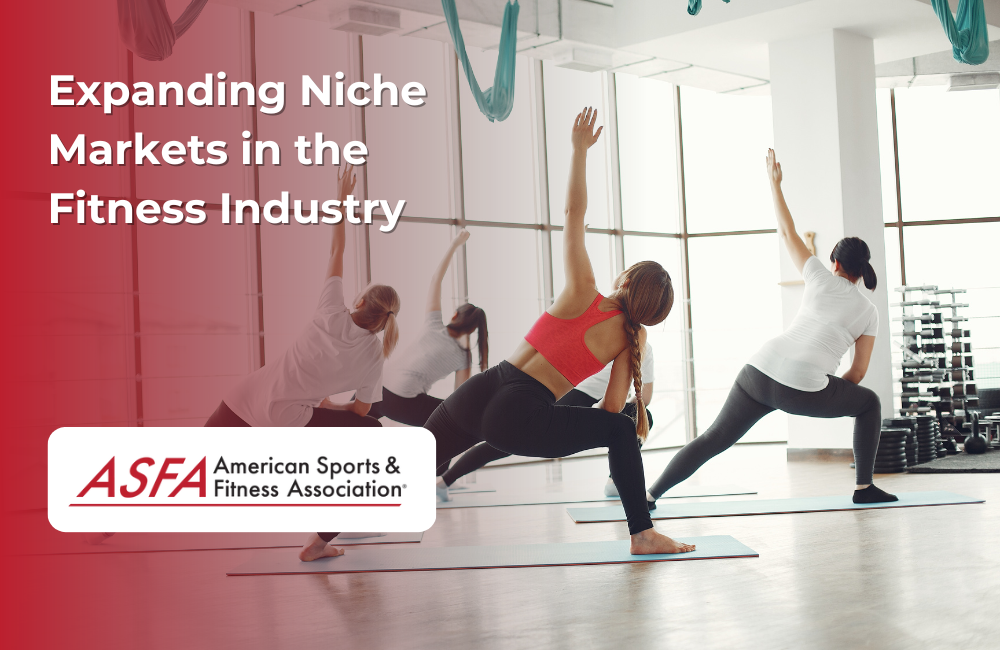
Expanding Niche Markets in the Fitness Industry
Viewed practically, Expanding Niche Markets in the Fitness Industry should change a decision in training, coaching, or day-to-day operations.
Fitness advice becomes useful when it can be applied consistently. The best option is usually the one that fits the goal, equipment, experience, and recovery available. There is room for individual preference, provided the basic constraints are respected.
How to Apply It
For instructors: Use a starting workload that can be repeated with consistent technique. The most useful progression is often modest: an extra repetition, a small load increase, or slightly more total work.
The Importance of Niche Markets in the Fitness Industry
Niche markets exist because not every client has the same needs, goals, or preferences. By creating targeted fitness programs, professionals can meet the demands of specific groups, providing tailored solutions that feel relevant and impactful.
For trainers and businesses, specializing also provides differentiation in a competitive market, helping them stand out from more generalized offerings. Personal trainers, in particular, can benefit from focusing on a specific niche, as it enables them to attract clients seeking specialized expertise and build a strong reputation within that segment.
Popular and Emerging Niche Markets
There are many niche areas within the fitness industry that continue to grow as demand increases. Some of the most notable include:
- Strength training programs for various demographics, including older adults, women, and youth, emphasizing mobility, balance, and independence
- Functional training and functional fitness classes focused on everyday movement and injury prevention
- High intensity interval training (HIIT) and intensity interval training HIIT for time-efficient workouts, especially for busy professionals
- Martial arts-inspired fitness classes that blend cardio, strength, and stress relief
- Dance fitness classes that combine music and movement for an engaging workout
- Boutique fitness studios offering specialized, upscale experiences and niche group classes
Researching Market Demand
Before launching a new fitness program or entering a specific fitness niche, it’s essential for fitness professionals to thoroughly research market demand. In the competitive fitness industry, understanding what clients truly want—and what gaps exist in current offerings—can make the difference between a thriving fitness business and one that struggles to attract clients.
Benefits of Specializing in Niche Markets
For fitness professionals, expanding into niche markets provides many advantages:
- Ability to charge higher rates due to specialized knowledge
- Stronger client loyalty from individuals who value tailored solutions
- Opportunities to build a reputation as an expert in a chosen area
- Increased visibility in a crowded fitness marketplace
- Flexibility to develop creative programs that align with personal interests
- More targeted and effective marketing strategies that reach the right audience
By focusing on niches, professionals can grow their careers in directions that align with both passion and demand. Specialization also enables them to help clients achieve their specific fitness goals more efficiently.
Strategies for Entering a Niche Market
Breaking into a specialized market requires preparation and commitment. Some effective strategies include:
- Gaining certifications or additional training in the chosen specialty
- Researching the needs and challenges of the target audience
- Creating content and educational resources to showcase expertise
- Networking with professionals who serve the same population
- Offering trial programs or workshops to generate interest
- Developing specialized training programs tailored to the needs of your niche
These strategies help build credibility and attract clients who are searching for specific solutions.
Incorporating Holistic Wellness
The health and fitness industry is increasingly embracing holistic wellness, recognizing that true well-being extends beyond physical fitness alone. Fitness professionals can stand out in the competitive fitness market by offering tailored programs that address not just exercise, but also mental health, nutrition, and overall lifestyle.
The Role of Personal Passion
One of the most effective ways to succeed in niche fitness markets is to align specialization with personal passion. Clients can sense authenticity, and when professionals truly care about their niche, it shows through their energy and commitment.
Fitness Technology and Innovation
The rapid advancement of fitness technology is transforming how fitness professionals connect with clients and deliver results. Digital fitness solutions, such as fitness apps and virtual coaching platforms, allow fitness entrepreneurs to offer flexible, on-demand services that fit seamlessly into clients’ busy lives.
Building a Strong Online Presence
In today’s digital landscape, a robust online presence is important for fitness professionals and businesses aiming to succeed in the competitive fitness industry. A well-designed website, active social media profiles, and engaging content help establish your brand and attract your ideal clients.
Future Growth in Fitness Niches
As fitness continues to intersect with technology, healthcare, and lifestyle trends, niche markets will likely expand even further. Digital fitness platforms, wearable technology, and data-driven training approaches are already creating new opportunities, with the increasing use of fitness tracking tools and wearable fitness technology enhancing client engagement and improving training outcomes.
When to Modify or Stop
Exercise should be adjusted for the participant's experience, symptoms, environment, and available supervision. Stop for sharp pain, dizziness, chest discomfort, sudden weakness, or loss of control, and seek appropriate professional guidance when symptoms are persistent or concerning.
Next-Step Perspective
Keep the goal visible, make the smallest change that addresses it, and reassess before adding complexity.

Define the Purpose Before Adding More
The guidance in Expanding Niche Markets in the Fitness Industry becomes more reliable when assumptions are made visible and the plan can be adjusted from feedback.
Distinguish what is known, what is being assumed, and what still needs to be tested. This keeps the guidance flexible and prevents a general principle from being treated as a universal rule. The result should be a plan that can respond to actual feedback.
Measure the Response That Matters
A short record is usually enough. Review:
- the next review date and decision rule
- what was completed rather than what was intended
- which assumption was supported or challenged
- whether the change improved clarity or added unnecessary work
Use the record to make a decision: continue, progress, simplify, or replace the current approach. Data that never changes a decision is unnecessary.
Why the Same Advice Produces Different Results
The same information can lead to different responsible decisions because the starting points are different. Make the assumptions visible, use a realistic baseline, and review the response. Individualization does not mean abandoning standards; it means applying them to the actual situation.
Avoid These Planning Errors
- Continuing an approach because it sounds persuasive rather than because it works.
- Replacing the whole plan when one component needs adjustment.
- Using a best-case scenario as the normal expectation.
- Ignoring the environment and resources required to follow the plan.
The correction is straightforward: return to the objective, simplify the setup, and change only what the available feedback supports.


