
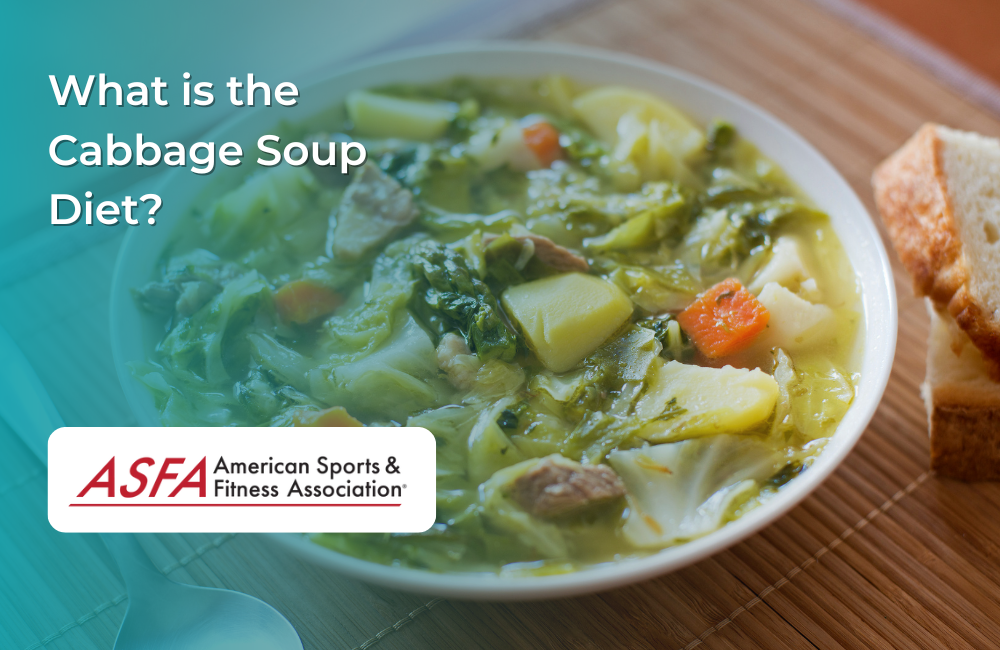
What is the Cabbage Soup Diet?
With What is the Cabbage Soup Diet?, an all-or-nothing answer misses the point. The practical answer is more specific.
Food can contribute nutrients and enjoyment without needing to be labeled a cure, detox, or metabolic shortcut. The distinction matters in practice.
Decision Points
A useful checkpoint: Evaluate the whole eating pattern before crediting one food with a specific outcome. Allergies, intolerances, medications, pregnancy, and diagnosed conditions require individualized advice from an appropriately qualified professional.
What is the Cabbage Soup Diet and How it Works
The Cabbage Soup Diet involves eating as much cabbage soup as desired as the main component of each meal, with additional foods allowed on certain days of the week. These foods are usually low in calories and include fruits, vegetables, and lean proteins.
What is the Cabbage Soup Diet?
The cabbage soup diet is a short-term, low-calorie diet designed to help people lose weight quickly, typically shedding 5-10 pounds in just 7 days. The core of this diet is eating unlimited cabbage soup, which is low in calories but high in fiber, making you feel full while consuming fewer calories.
Day-by-Day Breakdown
- Day 1: Only cabbage soup and fruit (except bananas).
- Day 2: Cabbage soup and vegetables (raw or cooked, but no starchy vegetables like potatoes).
- Day 3: Cabbage soup, fruits, and vegetables.
- Day 4: Cabbage soup, bananas, and skim milk.
- Day 5: Cabbage soup, lean beef (or chicken), and tomatoes.
- Day 6: Cabbage soup, lean beef or chicken, and vegetables (no starchy ones).
Each day allows for varying amounts of cabbage soup along with specific food groups, ensuring that the diet remains low in calories while still providing some nutrients.
Allowed Foods on the Cabbage Soup Diet
On the cabbage soup diet, you can enjoy unlimited cabbage soup along with certain foods each day. Here’s what you can have:
- Fruits: Apples, oranges, and other fruits are allowed, except for bananas on most days.
- Vegetables: Carrots, celery, onions, and other non-starchy vegetables can be eaten raw or cooked.
- Lean Proteins: Chicken, fish, and turkey are included on specific days to provide necessary protein.
- Brown Rice: This whole grain is allowed on the final day to add some variety and fiber.
- Unsweetened Fruit Juice: A small amount of unsweetened fruit juice is permitted to add some natural sweetness.
- Homemade Cabbage Soup: The star of the diet, this soup can be consumed in unlimited quantities to keep you full and satisfied.
Prohibited Foods on the Cabbage Soup Diet
While on the cabbage soup diet, it’s important to avoid certain foods to ensure you stay within the low-calorie guidelines. Here’s what to steer clear of:
- High-Calorie Foods: Sugary drinks, fast food, and processed snacks are off-limits.
- High-Fat Foods: Fried foods, fatty meats, and full-fat dairy products should be avoided.
- High-Sodium Foods: Processed meats and canned goods, which are often high in sodium, are not allowed.
- Foods High in Added Sugars: Candy, baked goods, and sweetened beverages should be excluded from your diet.
Homemade Cabbage Soup Recipe
Here is a simple recipe for homemade cabbage soup that you can enjoy throughout the diet:
- 1 head of cabbage, chopped
- 1 onion, chopped
- 3 cloves of garlic, minced
- 1 can of diced tomatoes
- 4 cups of chicken broth
- 1 teaspoon of olive oil
- In a large pot, sauté the chopped onion and minced garlic in olive oil until softened.
- Add the chopped cabbage and cook until it starts to soften.
- Add the diced tomatoes, chicken broth, salt, and pepper.
- Bring the mixture to a boil, then reduce the heat and simmer for 20-25 minutes or until the cabbage is tender.
- Serve hot and enjoy!
Benefits of the Cabbage Soup Diet
- Rapid Weight Loss: Due to its low calorie content, the Cabbage Soup Diet may lead to quick weight loss, especially in the first few days. However, much of the initial weight loss may be water weight rather than actual body fat.
- Low Cost: The ingredients for the cabbage soup are inexpensive and easy to find, making this diet affordable.
- supports normal metabolic processes: The high fiber content of the cabbage soup may help promote digestion and act as a gentle supports normal metabolic processes by flushing out waste from the body.
Drawbacks and Considerations
While the Cabbage Soup Diet may result in short-term weight loss, there are several drawbacks to consider:
- Nutritional Deficiencies: The diet is extremely restrictive and may not provide all the essential nutrients, vitamins, and minerals needed for long-term health. While the diet may lead to rapid weight loss, it is not considered a healthy or balanced approach to long-term weight management.
- Sustainability: Due to its monotony and restrictive nature, it can be difficult to maintain, and the diet provides so few calories that it may lead to fatigue and nutrient deficiencies.
- Low Protein: The diet is low in protein, which is important for muscle maintenance and overall health. The cabbage soup diet is a very low calorie diet, which can result in rapid weight loss but also poses significant health risks if followed for an extended period.
- Possible Side Effects: The diet may cause bloating, fatigue, and irritability due to its low-calorie content and lack of sufficient nutrients.
Is the Cabbage Soup Diet Safe?
The Cabbage Soup Diet is not recommended for long-term weight loss because it lacks balance and could lead to nutrient deficiencies. For healthy weight loss, it is essential to follow a balanced diet that provides all the necessary nutrients.
Final Coaching Note
Use the information to make one clear adjustment, then judge the result from repeatable performance rather than novelty.

Connect the Topic to a Real Objective
The value of What is the Cabbage Soup Diet comes from making a workable choice within a broader plan, not from assigning a food or nutrient a universal effect.
Clarify whether the goal involves meal convenience, performance fueling, recovery, body-composition planning, or general dietary variety. Then examine the complete meal and the rest of the day. The same item can play a different role depending on portion size, timing, preparation, and what accompanies it.
Questions to Answer Before You Proceed
- Is individualized guidance needed for a condition, allergy, or complex goal?
- What is the smallest sustainable improvement?
- What is the actual portion and preparation method?
- How does the choice fit the complete meal and day?
- Is the plan realistic for schedule, budget, access, and preferences?
- What response will be monitored across normal days?
If those questions have clear answers, the guidance is more likely to produce a plan that can be followed and evaluated.
Make the Plan Easier to Evaluate
Nutrition choices are easier to evaluate when the variables are visible. A food eaten alone may produce a different experience than the same food combined with protein, carbohydrate, fat, fiber, and fluid in a complete meal.
- Keep cultural preferences and budget inside the plan.
- Read the full label when packaged foods are involved.
- Account for preparation oils, sauces, and added ingredients.
- Use a realistic weekly pattern instead of an idealized single day.


