
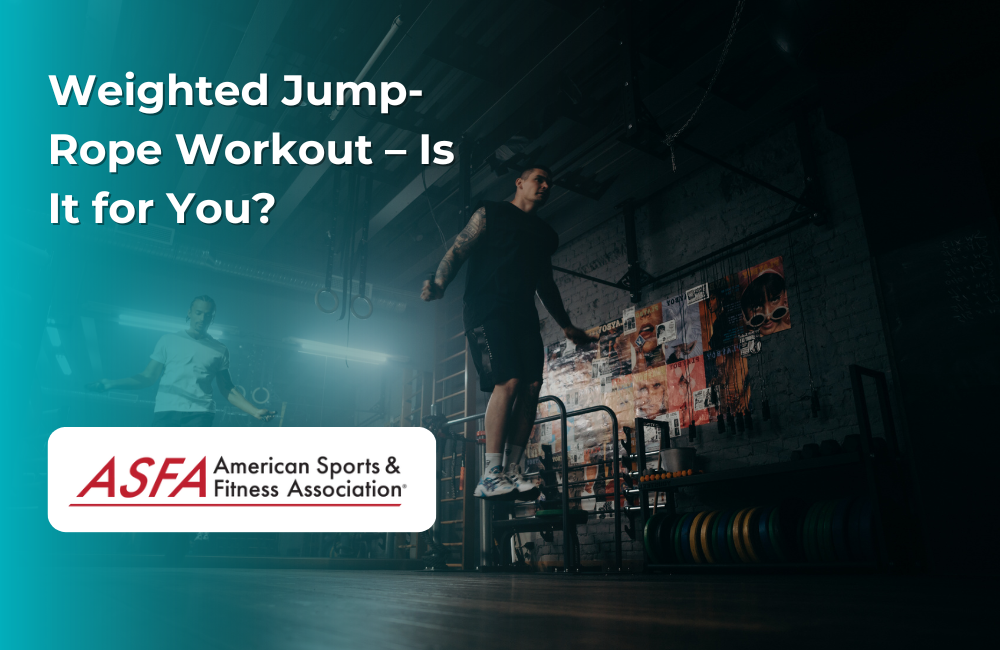
Weighted Jump-Rope Workout – Is It for You?
Viewed practically, Weighted Jump-Rope Workout – Is It for You? should change a decision in training, coaching, or day-to-day operations.
Technique is not a single perfect shape. It is a repeatable way to complete the movement while controlling the load, range, and positions that matter for the goal. The next sections turn that principle into specific decisions.
The Science Behind Weighted Jump Ropes
Weighted jump ropes differ from traditional jump ropes in that they add resistance to your workout. This resistance can either be in the handles (which have weights added) or in the rope itself (which is thicker and heavier).
- Traditional jump ropes help tone the legs and core muscles, improving coordination, balance, and cardiovascular fitness.
- Weighted jump ropes take it a step further by building upper body strength in the arms, shoulders, and chest, while continuing to tone the legs and strengthen the core. This makes it an excellent full-body workout that burns calories, enhances muscle tone, and builds endurance.
The Benefits of Using Weighted Jump Ropes
Weighted jump ropes offer numerous benefits for both you as a trainer and your clients. Here's why they're an excellent addition to any workout routine:
1. Full-Body Workout
One of the most significant advantages of using a weighted jump rope is that it provides a full-body workout. With every jump, the lower body is engaged to lift and stabilize the body, while the upper body is used to swing the rope.
- Legs and Core: As with traditional jump ropes, the calves, quads, hamstrings, glutes, and core are heavily engaged to maintain balance and power throughout each jump.
- Upper Body: The arms, shoulders, and chest work harder with a weighted jump rope as they rotate the heavier rope, helping to tone and strengthen these muscles over time.
3. Improves Cardiovascular Endurance
Jumping rope is a highly effective way to improve cardiovascular endurance. It requires constant movement, which challenges the heart and lungs to deliver oxygen to the working muscles.
By working both the aerobic (long-duration, moderate intensity) and anaerobic (short bursts of high intensity) systems, weighted jump ropes improve overall endurance. This can be beneficial for clients training for endurance events, such as marathons or triathlons, as well as those looking to improve their fitness for daily life.
4. Builds Strength and Improves Muscle Tone
Because of the added resistance, weighted jump ropes help build muscle strength in the upper body, core, and legs. The repetitive motion strengthens the shoulders, biceps, triceps, and forearms, making it an excellent option for those looking to tone and define their upper body while getting a cardiovascular workout.
For personal trainers, this makes the weighted jump rope a powerful tool to use with clients who are seeking a mix of strength training and fat loss in their routine. The weighted rope also increases the difficulty of each jump, forcing the body to work harder to complete each rep.
5. Boosts Coordination, Balance, and Agility
Jumping rope requires coordination, timing, and balance to execute correctly. By using a weighted jump rope, clients are forced to focus more on their technique, which improves their coordination and motor skills over time.
- Functional Fitness: The coordination and agility gained from jumping rope also improve functional fitness, which translates into better performance in everyday activities, as well as in sports.
6. Portable and Convenient
Weighted jump ropes are easy to transport, making them an ideal addition to home workouts, outdoor sessions, or travel fitness routines. Unlike heavier fitness equipment, jump ropes can be carried in a gym bag or suitcase, providing clients with the flexibility to work out wherever they are.
For personal trainers, incorporating a weighted jump rope into your travel workouts or outdoor boot camps can make sessions more dynamic and engaging without the need for excessive equipment.
Incorporating Weighted Jump Ropes into Your Training Programs
To make your training sessions more effective and engaging, weighted jump ropes can be introduced into different types of workouts. Here are a few ways to integrate them into your programs:
1. Interval Training (HIIT)
As mentioned earlier, weighted jump rope exercises are perfect for HIIT. Create a workout that alternates between intense periods of jumping and short rest periods.
- Workout Example: Jump with the weighted rope for 30 seconds, rest for 15 seconds, and repeat for 10 to 15 minutes. This style of interval training is effective for burning fat, improving cardiovascular endurance, and building muscle.
3. Family and Group Workouts
Weighted jump ropes are also a fun way to engage families or groups in a workout session. Create challenges or competitions with multiple participants to keep motivation high and make the workout more interactive.
- Workout Example: Create a family or group relay where participants take turns jumping rope for 1 minute while others perform bodyweight exercises like squats or lunges.
4. Joint Health and Injury Prevention
Jumping rope can help strengthen the joints, particularly in the knees and ankles, when done correctly. The repetitive motion and light impact of jumping help improve joint stability and strength, protecting against injury and improving overall mobility.
Continuing Education for Trainers
If you're a personal trainer looking to expand your skill set, consider enrolling in online fitness that provide comprehensive tutorials on how to effectively incorporate weighted jump ropes into your client programs. These courses cover essential topics such as:
- Proper form and technique
- Progressions and modifications for different fitness levels
- How to structure HIIT workouts using jump ropes
- Specific applications for strength, endurance, and flexibility training
With step-by-step instructions and modification options for clients of all abilities, these courses can help you confidently integrate jump rope workouts into your repertoire. They also teach you how to assess clients' needs and create individualized programs that address specific fitness goals, ensuring long-term success.
Attracting More Clients with Weighted Jump Ropes
Weighted jump ropes can be a useful option for your personal training business by providing a unique, high-intensity, and engaging workout that clients will love. Here's how they can help you attract and retain more clients:
- Offering Variety: Keeping workouts fresh and challenging is key to maintaining client motivation. By offering a broad mix of exercises, including weighted jump rope workouts, you'll ensure your clients stay engaged and excited about their fitness plan.
- Time Efficiency: Many clients struggle with time constraints. Weighted jump rope workouts are time-efficient, delivering full-body conditioning, cardiovascular training, and strength in a short period, making it an attractive option for busy individuals.
- Customized Training: Weighted jump ropes can be modified to fit any fitness level. You can scale the intensity and duration of jump rope intervals to meet each client's needs.
- Family and Group Fitness: Engaging family members or groups in jump rope challenges can increase accountability and build a supportive fitness community around your brand.
Programming Considerations
Programming note: Choose the variation that permits a stable setup and repeatable range. Add repetitions or resistance only while the same control is maintained; stop when pain or compensation changes the movement.
The Practical Takeaway
Treat the method as a tool, not an identity. Keep what improves the plan and remove what does not.


