
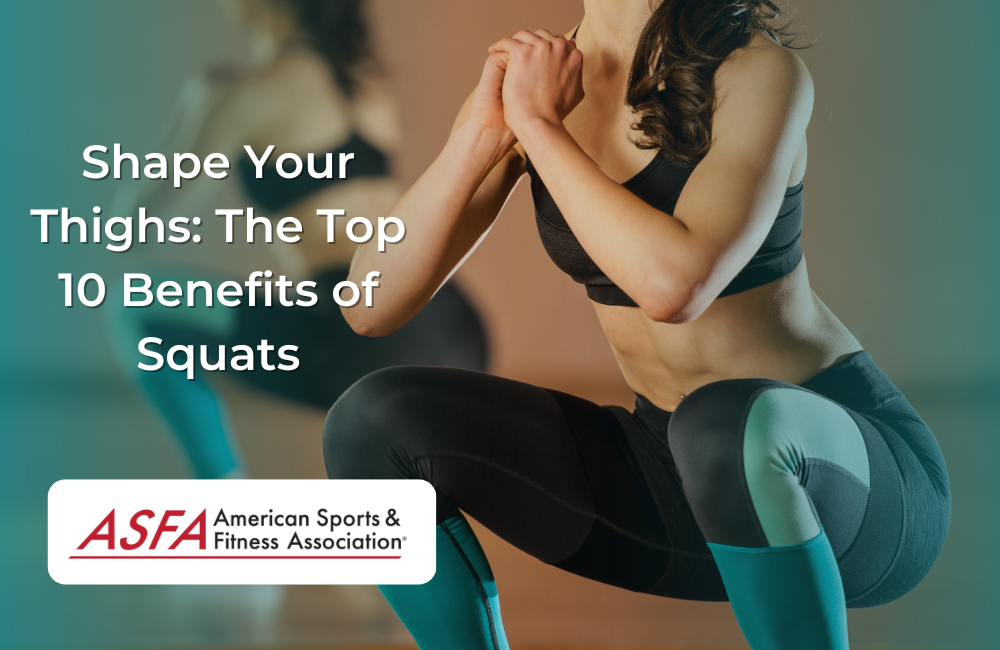
Shape Your Thighs: The Top 10 Benefits of Squats
The points in Shape Your Thighs: The Top 10 Benefits of Squats are organized around practical application rather than exaggerated promises.
Technique is not a single perfect shape. It is a repeatable way to complete the movement while controlling the load, range, and positions that matter for the goal. Small setup choices can change the experience considerably.
Important Boundaries
Keep in mind: Choose the variation that permits a stable setup and repeatable range. Add repetitions or resistance only while the same control is maintained; stop when pain or compensation changes the movement.
10 Benefits of Squats for Shaping Thighs
- Targets Multiple Muscle Groups
- Benefit: Squats are a compound exercise, meaning they work multiple muscle groups simultaneously, including the quadriceps, hamstrings, glutes, calves, and core. Squats effectively target multiple muscle groups, including the leg muscles, enhancing overall fitness.
- How It Shapes Your Thighs: By engaging several muscles, squats provide a comprehensive workout for the thighs, leading to balanced muscle development and increased strength.
- Boosts Muscle Strength and Power
- Benefit: Squats significantly increase the strength and power of your lower body, which is essential for both athletic performance and everyday activities. Squats are also effective leg exercises that contribute to overall lower body strength.
- How It Shapes Your Thighs: As your muscles grow stronger, they become more defined and toned, contributing to a sculpted appearance in your thighs.
Sample Weekly Thigh-Toning Workout Plan
To maximize the benefits of squats and achieve toned, strong thighs, it’s important to incorporate a variety of exercises into your routine. This sample weekly workout plan combines squats, including the fundamental bodyweight squat, with other effective exercises to target all areas of your thighs and lower body.
Weekly Workout Overview
- Frequency: 4 workout sessions per week
- Duration: 4 weeks
- Goal: Strengthen, tone, and define the thigh muscles while improving overall lower body strength and flexibility.
- Warm-Up: Start each workout with 5-10 minutes of light cardio (e. G.
Day 1: Lower Body Strength and Power
1. Back Squats (Barbell or Bodyweight)
- Sets: 4
- Reps: 8-12
- Rest: 60-90 seconds between sets
- Focus: Keep your back straight, engage your core, and drive through your heels to activate the quadriceps and glutes. For those who prefer not to use weights, performing bodyweight squats is an excellent alternative.
2. Romanian Deadlifts
- Sets: 4
- Reps: 10-12
- Rest: 60-90 seconds between sets
- Focus: Target the hamstrings and glutes while maintaining a slight bend in the knees and keeping your back flat.
Day 2: HIIT and Inner Thigh-Toning
1. Jump Squats
- Sets: 4
- Reps: 15-20
- Rest: 30-45 seconds between sets
- Focus: Increase power and burn calories, targeting the quadriceps, hamstrings, and glutes.
2. Bulgarian Split Squats
- Sets: 3
- Reps: 12-15 per leg
- Rest: 60 seconds between sets
- Focus: Isolate and strengthen the quadriceps and glutes, improving balance and coordination.
3. Box Jumps
- Sets: 3
- Reps: 12-15
- Rest: 60 seconds between sets
- Focus: Enhance explosive power in the thighs and glutes, increasing muscle engagement.
Day 3: Rest and Recovery
- Active Recovery: Engage in light activities such as walking, swimming, or yoga to promote blood flow and flexibility.
- Stretching: Spend 10-15 minutes on static stretching, focusing on the thighs, hips, and glutes. Incorporate foam rolling to release muscle tension and enhance recovery.
Day 4: Lower Body Endurance and Flexibility
1. Sumo Squats
- Sets: 4
- Reps: 12-15
- Rest: 60-90 seconds between sets
- Focus: Target the inner thighs and glutes, with a wide stance and toes pointed outward.
2. Lateral Lunges
- Sets: 3
- Reps: 12-15 per leg
- Rest: 60 seconds between sets
- Focus: Strengthen the inner and outer thighs while improving hip flexibility.
3. Single-Leg Deadlifts
- Sets: 3
- Reps: 10-12 per leg
- Rest: 60 seconds between sets
- Focus: Enhance balance and stability while targeting the hamstrings and glutes.
Day 5: Upper Body Focus (Optional)
- Why It’s Important: Incorporate upper body workouts to ensure balanced muscle development and avoid overtraining the lower body.
- Sets: 3
- Reps: 12-15
2. Dumbbell Rows
- Sets: 3
- Reps: 10-12 per arm
3. Overhead Press
- Sets: 3
- Reps: 10-12
4. Bicep Curls
5. Tricep Dips
Day 6: Thigh-Toning Circuit
1. Bodyweight Squats
- Sets: 3
- Reps: 20-25
- Rest: 30 seconds between sets
- Focus: Build endurance in the quadriceps and glutes, maintaining proper form throughout. The bodyweight squat is a fundamental exercise that engages multiple muscle groups, offering benefits such as improved calorie burn, injury prevention, and enhanced balance.
- Sets: 3
- Reps: 15-20 per leg
- Rest: 30 seconds between sets
- Focus: Target the quadriceps, glutes, and hamstrings, stepping onto a bench or step with control.
Day 7: Rest and Active Recovery
- Active Recovery: Engage in light activities such as walking, swimming, or yoga to promote blood flow and flexibility.
- Stretching and Mobility: Spend 15-20 minutes on stretching and mobility work, focusing on the thighs, hips, and lower back to improve flexibility and help manage injury risk.
Put It Into Practice
Good coaching leaves room for feedback. If the response does not match the goal, adjust the dose, range, exercise, or expectation.
Start With the Decision That Matters
Shape Your Thighs: The Top 10 Benefits of Squats becomes more practical when the exercise choice, training dose, and progression method all point toward the same outcome.
Decide whether the priority is skill, strength, muscle development, mobility, work capacity, or general activity. That choice affects exercise order, range of motion, resistance, repetitions, rest, and frequency. A program becomes harder to evaluate when several goals are pursued in the same set without a clear priority.
Adapt the Guidance to the Person
Exercise selection should fit the participant rather than require the participant to fit a preferred variation. A different stance, grip, range, resistance, or tool may preserve the goal more effectively. Use the version that allows a controlled and repeatable pattern, then progress from the response rather than from an arbitrary timetable.
Keep the Application From Drifting
- Copying an advanced athlete’s program without matching training history or recovery.
- Changing exercises every session before a pattern can be evaluated.
- Letting speed hide a loss of position or control.
- Treating discomfort as a cue to push through rather than a reason to adjust and seek appropriate guidance when needed.
A clear plan does not remove uncertainty, but it makes the next adjustment more responsible and easier to explain.
Questions to Answer Before You Proceed
- What is the primary training objective?
- Which variation allows the intended technique today?
- What load, range, tempo, and rest will be recorded?
- What sign will indicate that the set or session should stop?
- Which single variable may progress next?
- How will this work fit with the rest of the week?
This review keeps the next step tied to the topic while leaving room for individual judgment and feedback.


