
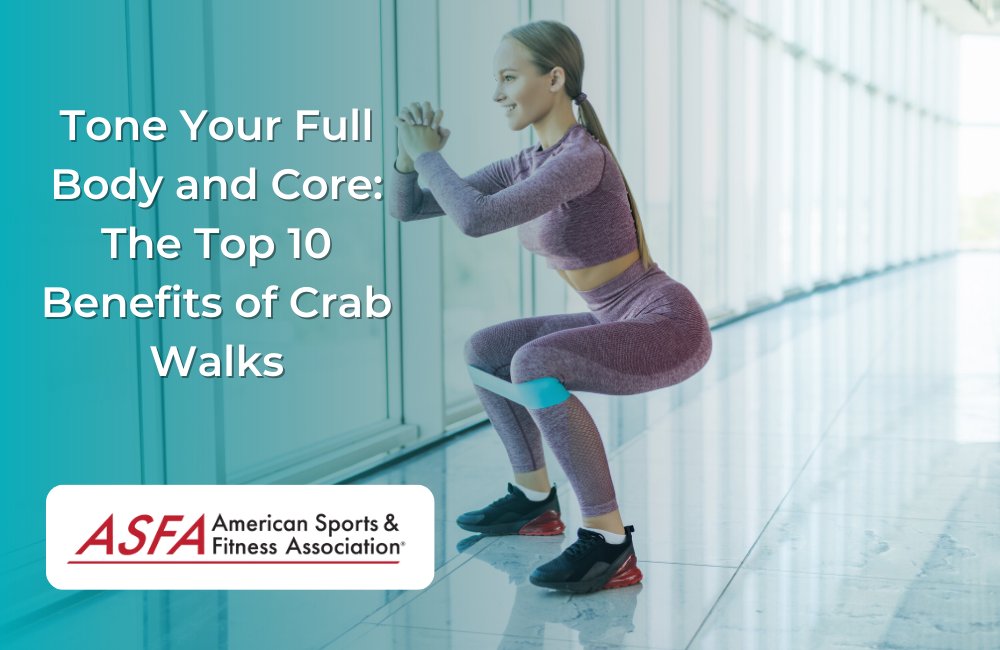
Tone Your Full Body and Core: The Top 10 Benefits of Crab Walks
The points in Tone Your Full Body and Core: The Top 10 Benefits of Crab Walks are organized around practical application rather than exaggerated promises.
Technique is not a single perfect shape. It is a repeatable way to complete the movement while controlling the load, range, and positions that matter for the goal. The distinction matters in practice.
Introduction: What is the Crab Walk Exercise?
The crab walk exercise is a dynamic, full-body movement that targets your upper body, core muscles, and enhances balance and coordination. This low-impact exercise is perfect for those who prefer bodyweight-style training, as it requires no weights or equipment.
The beauty of the crab walk lies in its simplicity and versatility. Whether you’re a seasoned athlete or a fitness novice, this exercise can be easily incorporated into your routine.
1. Excellent for Core Strength and Stability
When it comes to core exercises, the crab walk ranks high on the list. Your core is the central powerhouse that stabilizes your body, supports proper posture, and aids in nearly every movement you make.
- Engages Multiple Core Muscles: The movement requires simultaneous activation of your rectus abdominis (the “six-pack” muscles), obliques (side abs), and lower back.
- Improves Posture: Regularly performing crab walks can help correct postural imbalances caused by prolonged sitting or poor posture. Strengthening your lower back and core helps prevent slouching, creating a more upright and stable posture over time.
2. Strengthens the Lower Back and Reduces Pain
Crab walks are an exceptional exercise for strengthening your lower back, an area that is often prone to injury or discomfort. The activation of your erector spinae muscles (which run along your spine) helps support your lower back and reduce the risk of strain.
- Builds Resilience in the Lower Back: By regularly incorporating crab walks into your fitness routine, you’ll develop stronger, more resilient lower back muscles that provide better support for your spine during daily activities like lifting, bending, or twisting.
- Helps Alleviate and Prevent Back Pain: Strengthening your lower back and the surrounding muscles through crab walks can help alleviate back pain. A strong lower back reduces pressure on the spine, prevents muscle imbalances, and improves your body’s ability to absorb shock during movements.
3. Improves Ankle Stability and Strength
Ankle stability is important for maintaining balance and preventing injuries, especially during activities that involve sudden changes in direction, such as running or jumping. Crab walks uniquely target the stabilizing muscles in your ankles, helping to improve both their strength and flexibility.
- Enhances Joint Stability: The constant movement of your feet while supporting your bodyweight in the crab walk position challenges your ankle joints, improving stability. Stronger ankles provide a solid foundation for various physical activities, reducing the risk of ankle sprains.
- Improves Flexibility: In addition to strengthening, crab walks help increase the range of motion in your ankles, making them more flexible and responsive. This improved mobility contributes to better movement mechanics in exercises like running, jumping, and squatting.
4. Boosts Hip and Pelvic Stability
Crab walks work the muscles around your hips and pelvis, including the gluteus Medius, which plays an important role in maintaining hip stability. Strong hip muscles help keep your pelvis aligned, which is essential for injury prevention and maintaining proper movement patterns.
- Strengthens the Glutes and Hip Flexors: The crab walk engages the muscles in your hips and glutes, which helps improve overall lower-body strength. Strong hips reduce strain on your knees and lower back, preventing injuries that can result from weak or imbalanced muscles.
- Improves Pelvic Alignment: By strengthening the muscles that stabilize your pelvis, crab walks help maintain proper pelvic alignment during movement. This is particularly important for runners and athletes, as poor pelvic alignment can lead to inefficient movement patterns and overuse injuries.
5. Enhances Balance and Coordination
Crab walks require you to coordinate movements between your upper and lower body while maintaining stability, making it a fantastic exercise for improving balance and coordination. This full-body engagement challenges your proprioception—your body’s ability to sense where it is in space.
- Improves Body Awareness: Moving in the crab walk position forces your brain to work harder to maintain coordination between your arms, legs, and core. Over time, this improves your overall body awareness, making you more agile and balanced in other activities.
- Builds Coordination for Other Exercises: Crab walks are an excellent exercise for building coordination, which translates to better performance in activities like running, jumping, or any sport that requires quick changes in direction.
6. Effective Full-Body Cardio Workout
In addition to its strength-building benefits, crab walking can also be an effective cardiovascular workout when performed in intervals or for extended periods. This movement engages large muscle groups, increasing your heart rate and boosting cardiovascular endurance.
- Increases Heart Rate: The constant movement of your arms and legs, combined with the demand placed on your core and back muscles, provides a full-body workout that gets your heart pumping. This can help improve cardiovascular health while simultaneously building muscle.
- Burns More Calories: Since crab walks engage so many muscles at once, they can be a great calorie-burning exercise, especially when incorporated into a high-intensity interval training (HIIT) workout.
7. Helps Decrease Back Pain
Back pain is often caused by weak muscles, poor posture, or imbalanced movement patterns. The crab walk addresses these issues by strengthening the muscles that support your back and promoting better alignment in the spine and hips.
- Strengthens the Spine-Supporting Muscles: The crab walk strengthens the muscles along your spine, especially in your lower back, helping to relieve pressure and discomfort in this area.
- Encourages Mobility: By promoting greater flexibility and mobility in the lower back and hips, crab walks can help alleviate stiffness and reduce pain caused by tight muscles or poor movement patterns.
8. Increases Walking and Running Speed, Efficiency, and Endurance
Crab walks are particularly effective for improving lower-body strength and endurance, which directly translates to better walking and running performance. The exercise strengthens the muscles responsible for generating forward movement, helping you walk or run faster and more efficiently.
- Strengthens Key Running Muscles: Crab walks engage your hamstrings, quadriceps, and glutes, all of which play a significant role in running and walking mechanics. Stronger legs and hips help you generate more power with each step, improving speed.
- Improves Endurance: As your muscles become stronger and more efficient through crab walks, your endurance will improve, allowing you to walk or run longer distances without fatigue.
9. Strengthens the Upper Body
Although crab walks are often thought of as a lower-body exercise, they also provide a great upper-body workout. Holding your bodyweight in the crab position engages your shoulders, triceps, chest, and back muscles.
- Shoulder Stability: Supporting your bodyweight while moving in a crab position requires significant strength and stability in your shoulders. Over time, this helps build stronger, more resilient shoulder muscles, reducing the risk of injury.
- Arm and Chest Engagement: Your arms are constantly engaged during crab walks, working your triceps, forearms, and chest to support your body and propel you forward.
10. Builds Functional Strength and Agility
Crab walks are a functional exercise, meaning they mimic movements you use in daily life. The combination of strength, stability, and coordination involved in crab walking translates to improved performance in everyday tasks and sports.
- Improves Agility: The backward movement required in crab walks forces your body to work in unfamiliar ways, helping to improve agility and reaction time.
- Functional Fitness for Daily Life: By strengthening multiple muscle groups and improving coordination, crab walks make you more capable of handling the demands of daily life, whether it’s bending down to pick something up, carrying groceries, or performing athletic movements.
Proper Form and Technique
To get the most out of the crab walk exercise and minimize the risk of injury, it’s important to perform it with proper form and technique. Follow these steps to ensure you’re doing it correctly:
- Starting Position: Sit on the ground with your knees bent and feet flat on the floor, hip-width apart. Place your hands on the floor slightly behind your hips, with your fingers pointing away from your body.
- Lift Your Hips: Engage your glutes and core muscles to lift your hips off the ground, bringing your torso into a table-top position parallel to the floor.
- Begin Walking: Start walking forward by stepping with your right foot and simultaneously moving your left hand. Then, step with your left foot while moving your right hand.
- Reverse the Movement: After reaching the end of your forward walk, reverse the movement by walking backward until you return to your starting position.
Conclusion: Strengthen and Tone Your Body with Crab Walks
Crab walks are an incredibly effective exercise for strengthening your core, stabilizing your hips, improving balance, and toning your entire body. Whether you’re looking to boost your athletic performance or simply add a versatile, full-body movement to your routine, crab walks offer numerous benefits that go far beyond basic strength training.
Make crab walks a regular part of your fitness routine and watch as your core strength, balance, and agility soar to new heights!
Decision Points
Practical point: Choose the variation that permits a stable setup and repeatable range. Add repetitions or resistance only while the same control is maintained; stop when pain or compensation changes the movement.
Limits and Safety
Exercise should be adjusted for the participant's experience, symptoms, environment, and available supervision. Stop for sharp pain, dizziness, chest discomfort, sudden weakness, or loss of control, and seek appropriate professional guidance when symptoms are persistent or concerning.
Final Coaching Note
The best application is specific enough to guide action and flexible enough to change when the person or circumstances change.


