
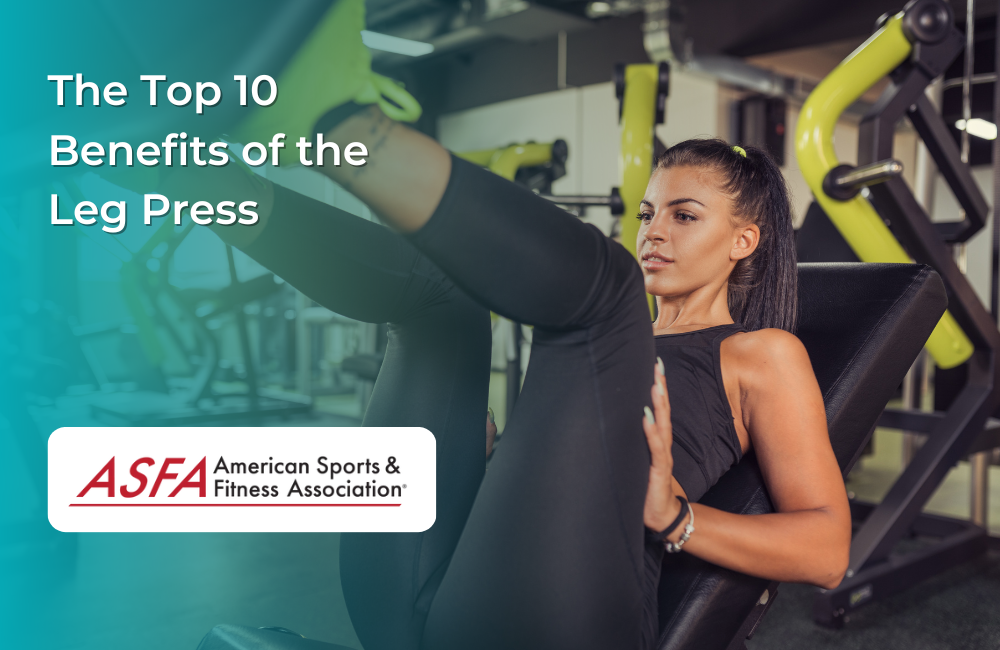
The Top 10 Benefits of the Leg Press
The Top 10 Benefits of the Leg Press is most useful when each item connects to a real training or coaching decision. A longer list is not automatically a better one.
Technique is not a single perfect shape. It is a repeatable way to complete the movement while controlling the load, range, and positions that matter for the goal. There is room for individual preference, provided the basic constraints are respected.
How to Apply It
For instructors: Choose the variation that permits a stable setup and repeatable range. Add repetitions or resistance only while the same control is maintained; stop when pain or compensation changes the movement.
What is the Leg Press?
The leg press is a compound exercise that involves pushing a weighted platform away from the body using the legs. The leg press primarily targets the quadriceps, which are important for achieving a defined and toned appearance.
1. Build Lower Body Strength
The leg press is highly effective for building strength in the major muscle groups of the lower body, including the quadriceps, hamstrings, glutes, and calves. This exercise specifically targets various leg muscles, making it ideal for both beginners and those recovering from injuries who wish to build strength safely and effectively.
3. Improve Balance and Stability
Strengthening the lower body through the leg press can lead to improved balance and stability. By engaging the quadriceps, hamstrings, and glutes, this exercise helps create a solid foundation for various athletic activities and daily tasks, such as walking, running, and climbing stairs.
4. Enhance Muscle Definition
Consistent leg press training can lead to increased muscle definition in the quadriceps, hamstrings, and glutes, contributing to a more toned and aesthetically pleasing physique. This exercise allows you to target specific muscle groups and achieve balanced development and muscle gains, enhancing your overall appearance.
5. Strengthen the Core
Although the leg day is primarily a lower body exercise, the leg press requires core engagement to maintain proper form and stabilize the spine during the movement. This helps strengthen the core muscles and improves overall stability, which is essential for various functional movements and activities.
7. Increase Workout Variety
Incorporating the leg press into your fitness routine adds variety and challenges your muscles in different ways. By using various foot placements and angles, you can target specific muscle groups and prevent workout monotony, keeping your training engaging and effective.
8. Customize the Exercise to Your Needs
The leg press allows for customization based on individual needs and preferences. By adjusting the seat position, the foot position and placement, and weight, you can modify the exercise to target specific muscle groups or accommodate any limitations you may have, making it suitable for people of all fitness levels and goals.
9. Support Functional Fitness
The leg press mimics natural movement patterns, such as squatting and sitting, making it an effective exercise for improving functional fitness. By strengthening the muscles used in everyday activities, the leg press can enhance your overall quality of life and reduce the risk of injury, ensuring you remain active and healthy.
Sample Leg Press Workout Plans
To help you incorporate the leg press into your routine effectively, here are sample workout plans for different fitness levels. Including leg presses in a regular workout routine is important for effective muscle development and strength.
Beginner Leg Press Workout
- Warm-Up: 5-10 minutes of light cardio (e. G.
- Leg Press: 3 sets of 10-12 repetitions with a moderate weight. Focus on maintaining proper form and controlling the movement.
- Rest: 60-90 seconds between sets to allow for recovery.
- Additional Exercises: Include bodyweight squats and lunges for a balanced lower body workout.
- Cool Down: Stretching exercises focusing on the lower body to enhance flexibility and prevent soreness.
Advanced Leg Press Workout
- Warm-Up: 10 minutes of dynamic stretching and mobility exercises to ensure the body is ready for intense training.
- Leg Press: 5 sets of 6-8 repetitions with challenging weight. Focus on explosive power during the press and controlled lowering.
- Rest: 90 seconds between sets to allow for full recovery.
- Additional Exercises: Include barbell squats and weighted lunges for comprehensive lower body development.
- Cool Down: Comprehensive stretching routine targeting all major muscle groups to help manage injury risk and enhance recovery.
Tips for Maximizing Leg Press Benefits
To get the most out of your leg press workouts, consider the following tips:
- Prioritize Form: Focus on maintaining proper form throughout the exercise to help manage injury risk and maximize effectiveness. Keep your back flat against the seat and avoid locking your knees at the top of the movement.
- Adjust Foot Placement: Experiment with different foot positions to target specific muscle groups. Placing your feet higher on the platform emphasizes the glutes and hamstrings, while a lower placement targets the quadriceps.
- Progress Gradually: Gradually increase the weight and intensity of your leg press workouts to avoid overloading the muscles and joints. Listen to your body and progress at a pace that feels comfortable for you.
- Incorporate Variety: Include different variations of the leg press, such as single-leg presses or using resistance bands, to challenge your muscles in new ways and prevent plateaus.
- Combine with Other Exercises: To achieve balanced muscle development, combine the leg press with other lower body exercises like squats, lunges, and deadlifts.
When to Modify or Stop
Exercise should be adjusted for the participant's experience, symptoms, environment, and available supervision. Stop for sharp pain, dizziness, chest discomfort, sudden weakness, or loss of control, and seek appropriate professional guidance when symptoms are persistent or concerning.
Next-Step Perspective
Keep the goal visible, make the smallest change that addresses it, and reassess before adding complexity.
Start With the Decision That Matters
The Top 10 Benefits of the Leg Press becomes more practical when the exercise choice, training dose, and progression method all point toward the same outcome.
Decide whether the priority is skill, strength, muscle development, mobility, work capacity, or general activity. That choice affects exercise order, range of motion, resistance, repetitions, rest, and frequency. A program becomes harder to evaluate when several goals are pursued in the same set without a clear priority.
Why the Same Advice Produces Different Results
Two people can use the same exercise for different reasons and need different versions. Training history, limb proportions, mobility, confidence, equipment, schedule, symptoms, and the rest of the program all affect the decision. Standardize the objective and the tracking method; individualize the setup and dose. That balance makes comparisons more useful without forcing every repetition to look identical.
Keep the Application From Drifting
- Letting speed hide a loss of position or control.
- Treating discomfort as a cue to push through rather than a reason to adjust and seek appropriate guidance when needed.
- Copying an advanced athlete’s program without matching training history or recovery.
- Changing exercises every session before a pattern can be evaluated.
The goal is not perfect control of every variable. It is enough consistency to make an informed next decision.


