
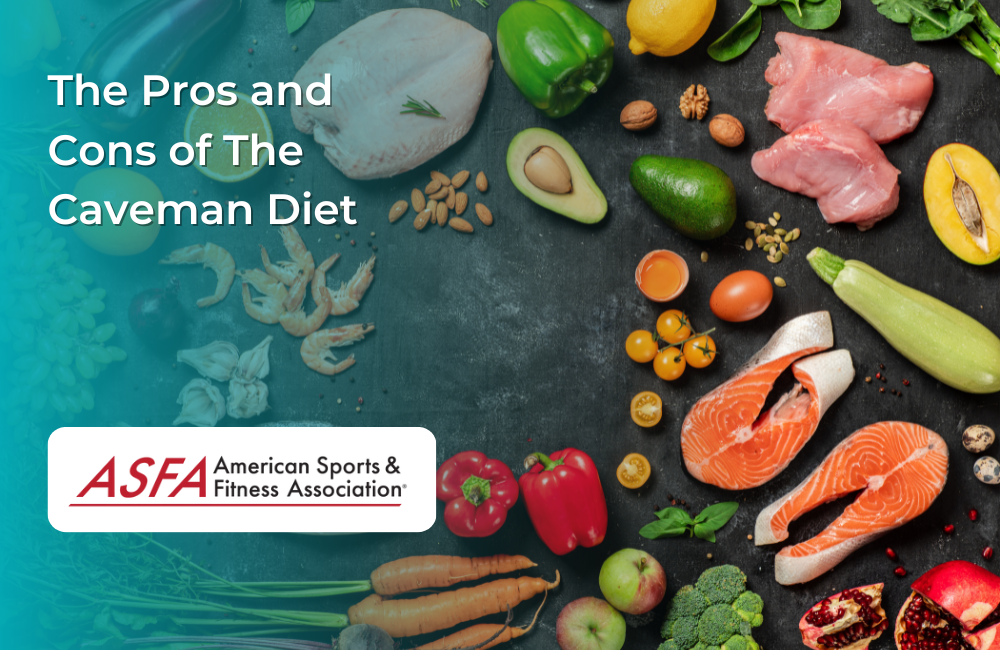
The Pros and Cons of The Caveman Diet
Comparisons such as The Pros and Cons of The Caveman Diet are useful when they clarify a decision. They are less useful when every difference is turned into a universal advantage.
A useful nutrition answer begins with context: portion, frequency, total intake, preferences, and individual tolerance. The next sections turn that principle into specific decisions.
What Is The Caveman Diet?
The Caveman Diet, also known as the Paleo Diet or the Stone Age Diet, is based on the dietary habits of our Paleolithic ancestors. It consists mainly of lean meats, fish, fruits, vegetables, nuts, and seeds that can be found in nature.
The Caveman Diet is based on the idea that modern diseases such as diabetes, obesity, and heart disease are the result of eating a diet that does not match our genetic makeup. By eliminating processed foods and grains, followers of the Caveman Diet believe they can achieve better health.
Pros of the diet
The Caveman Diet, also known as the Paleo Diet, is a diet that focuses on eating foods that are believed to have been consumed by early humans during the Paleolithic era. Proponents of this diet believe that by following the dietary guidelines set out by the Paleo Diet, they can improve their overall health and wellness.
The first major benefit of the Caveman Diet is that it encourages people to focus on consuming whole foods that are packed with essential nutrients. This diet is high in proteins, healthy fats, and complex carbohydrates which are all important components of a healthy diet.
Cons of the diet
The Caveman Diet has a few cons that should be considered before beginning. First, the diet is very restrictive, as it eliminates almost all processed foods, dairy products, and grain-based foods.
When it comes to the Caveman Diet, the American Sports and Fitness Association (ASFA) cautions against jumping into the diet without doing extensive research and consulting a healthcare provider first. As with any restrictive diet, there are potential risks and drawbacks that should be carefully considered before starting.
Who Should Try the Caveman Diet?
The Caveman Diet, also known as the Paleolithic Diet or the Paleo Diet, is a dietary plan that consists of eating like our ancestors did in the Paleolithic era. The idea is to focus on foods that were available to humans during the Paleolithic era and avoid processed and refined foods.
As with any diet, the Caveman Diet may not be suitable for everyone. People with certain health conditions or food allergies should always consult their doctor or nutritionist before beginning any diet.
ASFA's Conclusion
The Caveman Diet, also known as the Paleo Diet, can be a great option for individuals looking to make a lifestyle change that helps promote overall health and well-being. By focusing on unprocessed, whole foods, the diet encourages individuals to eat natural and nutrient-dense foods.
However, as with any dietary plan, it is important to consider the pros and cons before diving in head first. Some people may experience great success with the Caveman Diet, while others may find it too restrictive or may not be able to get all the necessary nutrients from their food choices.
Programming Considerations
Practical point: Evaluate the whole eating pattern before crediting one food with a specific outcome. Allergies, intolerances, medications, pregnancy, and diagnosed conditions require individualized advice from an appropriately qualified professional.
Limits and Safety
This material is general education, not an individualized nutrition prescription. People with diagnosed conditions, allergies, pregnancy, medication considerations, or a history of disordered eating should seek guidance from an appropriately qualified professional.
The Practical Takeaway
The best application is specific enough to guide action and flexible enough to change when the person or circumstances change.
Use Context, Not Assumptions
With The Pros and Cons of The Caveman Diet, the same recommendation can produce different results because total intake, portion, frequency, preferences, allergies, medications, and health history all change what is reasonable.
Review the result as part of the full eating pattern. If the change does not improve consistency, tolerance, or the intended outcome, reconsider the premise before adding more products or restrictions.

Start With the Decision That Matters
The guidance in The Pros and Cons of The Caveman Diet is most useful when it is placed inside the person’s complete eating pattern rather than treated as a rule about one food or nutrient.
A food can be convenient in one setting and impractical in another. A higher-protein choice may support one meal, but it does not compensate for an overall pattern that fails to match energy needs, food preferences, or training demands. Compare realistic portions and preparation methods rather than judging foods from a headline or a single nutrient.
Adapt the Guidance to the Person
Energy needs, body size, activity, food access, culture, preferences, allergies, digestive tolerance, and the rest of the diet all affect the practical choice. General nutrition information can help organize options, but it cannot determine an individualized plan for every person. Keep recommendations flexible enough to fit real meals and seek qualified guidance when needs are complex.
Keep the Application From Drifting
- Using general education to manage a condition that requires individualized guidance.
- Following a trend that conflicts with preferences, budget, access, or tolerance.
- Treating supplement marketing as a substitute for a workable eating pattern.
- Comparing labels that use different serving sizes.
The goal is not perfect control of every variable. It is enough consistency to make an informed next decision.
Put the Guidance Through This Test
- What response will be monitored across normal days?
- Is individualized guidance needed for a condition, allergy, or complex goal?
- What is the smallest sustainable improvement?
- What is the actual portion and preparation method?
- How does the choice fit the complete meal and day?
- Is the plan realistic for schedule, budget, access, and preferences?
If those questions have clear answers, the guidance is more likely to produce a plan that can be followed and evaluated.
Adjust One Variable at a Time
Portion size, preparation method, total energy intake, nutrient balance, meal timing, food access, preferences, allergies, and digestive tolerance can all change how a recommendation works in practice.
- Adjust from hunger, energy, performance, and tolerance rather than from a trend.
- Compare equivalent serving sizes rather than package claims alone.
- Consider the complete meal, not one ingredient in isolation.
- Use timing that can be repeated within the person’s normal schedule.
Progress From Repeatable Success
Use a gradual process when changing intake. Large restrictions or complicated rules can make it difficult to identify what is helping and may be hard to sustain. Establish the current pattern, choose one priority, and monitor hunger, energy, training quality, recovery, and digestive comfort. Keep the change only when the overall result supports the stated goal.


