
The Best Functional Fitness Workouts for Seniors
Looking to enhance senior mobility and independence? Functional fitness workouts for seniors target the strength and balance needed for everyday tasks. This article highlights the top 5 workouts that improve health and daily living for older adults.
Key Takeaways
-
Functional fitness enhances seniors’ everyday abilities, promoting independence and safer daily living.
-
Incorporating exercises like step-ups, chair squats, and wall push-ups significantly improves strength, balance, and mobility in older adults.
-
Safety is crucial for seniors during workouts; listening to their bodies and exercising in clear spaces can prevent injuries and enhance overall well-being.
Understanding Functional Fitness for Seniors
Functional fitness is a tailored approach to exercise aimed at improving the ability to perform everyday tasks. For seniors, it involves exercises that boost independence and activity levels by mimicking real-life movements, thus making daily living tasks easier and safer. Adding these simple exercises to daily routines can greatly enhance overall health without requiring extensive equipment.
Functional fitness exercises primarily aim to enhance the quality of life and wellness for seniors. By replicating daily activities, these exercises strengthen multiple muscle groups at once, promoting an active lifestyle and maintaining independence. This training is vital for older adults, as it boosts their ability to perform daily activities with ease.
Functional fitness exercises go beyond muscle building; they focus on enhancing abilities essential for everyday movements. From lifting objects to climbing stairs, these functional exercise engage multiple muscle groups, improving strength, balance, and coordination. For seniors, this translates to a better quality of life and the ability to perform activities safely and effectively.
Benefits of Functional Fitness Workouts
Functional fitness training provides numerous physical and mental benefits for seniors. It significantly improves bone density, helping to prevent osteoporosis. Strength training also counteracts the natural muscle mass loss that comes with aging, enhancing joint health and overall mobility. These exercises are crafted to boost stability and mobility, key factors in maintaining independence in daily activities.
Functional training is crucial for enhancing balance, significantly reducing the risk of falls among older adults—a leading cause of injury in seniors. Improved balance, along with increased muscle strength, enables seniors to perform daily activities more efficiently and confidently. Regular practice enhances coordination and cognitive health, requiring focus and balance that keep the mind sharp.
Beyond physical advantages, functional fitness enhances mental well-being. It is linked to reduced depression, increased happiness, and improved cognitive function. Overall, these workouts not only boost physical health but also contribute to emotional wellness, making them a vital part of a senior’s fitness regimen.
Essential Functional Fitness Exercises for Seniors
To gain the full benefits of functional fitness training, seniors should include specific exercises in their routines. These exercises enhance mobility, strength, and independence, making daily tasks easier and safer.
Particularly effective exercises for seniors include:
-
Step-Ups
-
Chair Squats
-
Heel-to-Toe Walk
-
Wall Push-Ups
-
Farmer’s Walk
Each exercise targets different muscle groups and functional abilities, ensuring a well-rounded fitness regimen. Focusing on proper form and technique helps seniors maximize benefits while minimizing injury risks.
Here’s a detailed look at each of these exercises and how they can improve overall health and mobility.
Step-Ups
Step-ups are fundamental for improving leg strength, essential for activities like climbing stairs and maintaining balance. This exercise mimics stepping up onto a higher surface, enhancing muscles used in such movements. Seniors should use a sturdy step or platform and maintain proper form to avoid joint strain.
Improved leg strength enhances overall mobility and stability, making step-ups invaluable for seniors. Regular practice leads to better balance and reduced fall risk, helping seniors move with greater confidence and ease.
Chair Squats
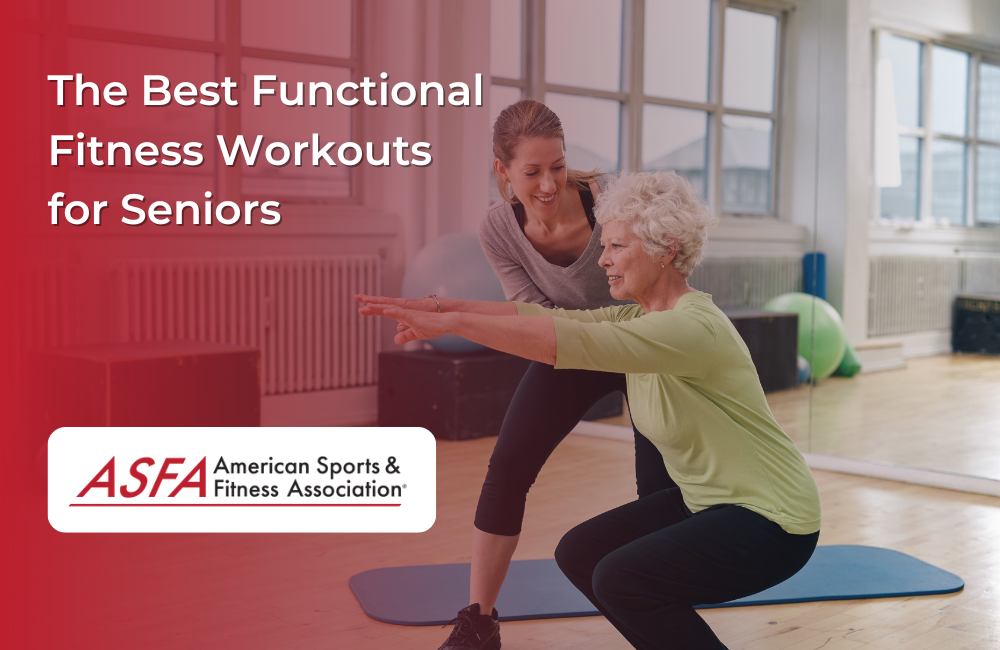
Chair squats are excellent for enhancing lower body strength and mobility. This exercise mimics sitting down and standing up, a critical daily movement for older adults. Practicing chair squats improves the ability to sit and stand without assistance, promoting greater independence.
To perform a chair squat, stand in front of a sturdy chair, lower yourself into a sitting position, and then stand back up, engaging core muscles and maintaining proper form. This strengthens the lower body while improving balance and coordination, essential for overall functional abilities.
Heel-to-Toe Walk
The heel-to-toe walk is a simple but effective exercise to improve balance and stability. It involves walking in a straight line, placing the heel of one foot directly in front of the toes of the other. This movement enhances coordination and reduces fall risk, crucial for maintaining mobility and independence.
Regular practice of the heel-to-toe walk can significantly improve balance, making everyday movements safer and more controlled. It requires no special equipment, making it a convenient addition to any fitness routine.
Wall Push-Ups
Wall push-ups are a less strenuous alternative to traditional push-ups, ideal for seniors. This exercise builds upper body strength while minimizing joint strain. It strengthens the chest, shoulders, and triceps, vital for many daily activities.
To perform wall push-ups, stand facing a wall, place hands at shoulder height, and push your body away and back towards the wall. This exercise improves upper body strength while enhancing stability and coordination, contributing to overall functional abilities.
Farmer’s Walk
The Farmer’s Walk is a powerful exercise that enhances core stability and grip strength, essential for overall physical function. It involves carrying weights in each hand while walking a certain distance, mimicking the action of carrying groceries or other objects.
Regular practice of the Farmer’s Walk can improve balance and posture, making everyday movements more efficient and safer. It is particularly effective for strengthening the core, arms, and shoulders, contributing to better functional abilities and independence.
Incorporating Resistance Training
Adding resistance training to a senior’s fitness routine is vital for comprehensive health benefits. It strengthens muscles, joints, and bones, crucial for maintaining mobility and independence. This training improves overall health by enhancing muscle strength, supporting joint health, and preventing the natural decline in muscle mass that comes with aging.
For seniors, resistance training should be combined with functional fitness and cardio exercises for compound benefits. Group fitness settings can be particularly beneficial, offering a safe and supportive environment. Including resistance training in a fitness program ensures a well-rounded workout that addresses all aspects of physical health.
Regular resistance training helps seniors maintain strength and independence, allowing them to perform daily activities with ease. Whether using resistance bands, weights, or bodyweight exercises, incorporating this training is crucial for overall health and wellness.
Creating a Balanced Functional Fitness Routine
A balanced functional fitness routine includes various exercises targeting different aspects of physical health. Warm-up exercises, like a brisk walk or stationary bike ride, enhance flexibility and prepare the body for activity. A short warm-up of 5-10 minutes can significantly improve workout effectiveness and safety.
A well-rounded routine should mix strength, balance, and flexibility exercises. Strength exercises, like those mentioned earlier, should be done at least twice a week to maintain health and fitness. As strength and confidence build, seniors can gradually increase repetitions or sets to continue progressing.
Cooldown activities, including gentle stretching, are important to relax muscles after a workout. A cooldown period of 7-10 minutes helps prevent muscle stiffness and enhances recovery. By following a balanced routine, seniors can address all aspects of physical health, leading to better overall well-being.
Safety Tips for Seniors During Workouts
Safety should always be a priority for seniors during workouts to prevent injuries. Exercising in a clear area reduces the risk of falls and collisions. Older adults should monitor their health and adjust exercise plans based on any new health issues.
Listening to their bodies and avoiding pushing through pain helps seniors prevent injuries and make workouts more effective. Prioritizing safety allows them to enjoy the benefits of functional fitness training without risk.
How to Stay Motivated
Staying motivated is key to maintaining a consistent fitness routine. Having a workout partner makes exercise more social and enjoyable, boosting motivation. Tracking progress and celebrating milestones also help seniors stay committed to their fitness journey.
Focusing on positive changes and improvements helps seniors maintain motivation and continue working towards their fitness goals. Staying motivated ensures they can remain independent and perform daily tasks with greater ease.
Summary
Functional fitness training is a powerful tool for seniors to enhance their health and mobility. By incorporating exercises like step-ups, chair squats, heel-to-toe walks, wall push-ups, and the Farmer’s Walk, older adults can significantly improve their strength, balance, and independence. These exercises not only support physical health but also contribute to overall well-being and quality of life.
In conclusion, embracing functional fitness can transform the aging process, allowing seniors to remain active and independent. By following a balanced routine and staying motivated, seniors can enjoy the benefits of improved health and mobility. Start your functional fitness journey today and experience the positive impact it can have on your life.
Frequently Asked Questions
What is functional fitness training?
Functional fitness training is all about boosting your daily movements and making everyday tasks easier. Embrace this approach to enhance your strength, balance, and flexibility for a more active lifestyle!
How does functional fitness benefit seniors?
Functional fitness significantly benefits seniors by boosting bone density, muscle strength, and balance, which reduces fall risk and enhances their overall quality of life. Embracing these exercises can lead to a healthier, more active lifestyle!
What are some essential functional fitness exercises for seniors?
Incorporating exercises like step-ups, chair squats, heel-to-toe walks, wall push-ups, and the Farmer’s Walk can significantly enhance your strength and stability. Embrace these moves to boost your balance and overall mobility!
Why is resistance training important for seniors?
Resistance training is crucial for seniors as it enhances muscle strength, joint stability, and bone health, which in turn supports mobility and independence. Embrace this empowering practice to enjoy a more active life!
How can seniors stay motivated to exercise regularly?
Seniors can stay motivated by finding a workout partner, tracking their progress, and celebrating milestones, making exercise enjoyable and fulfilling. This approach not only enhances motivation but also builds a sense of community and achievement.


