
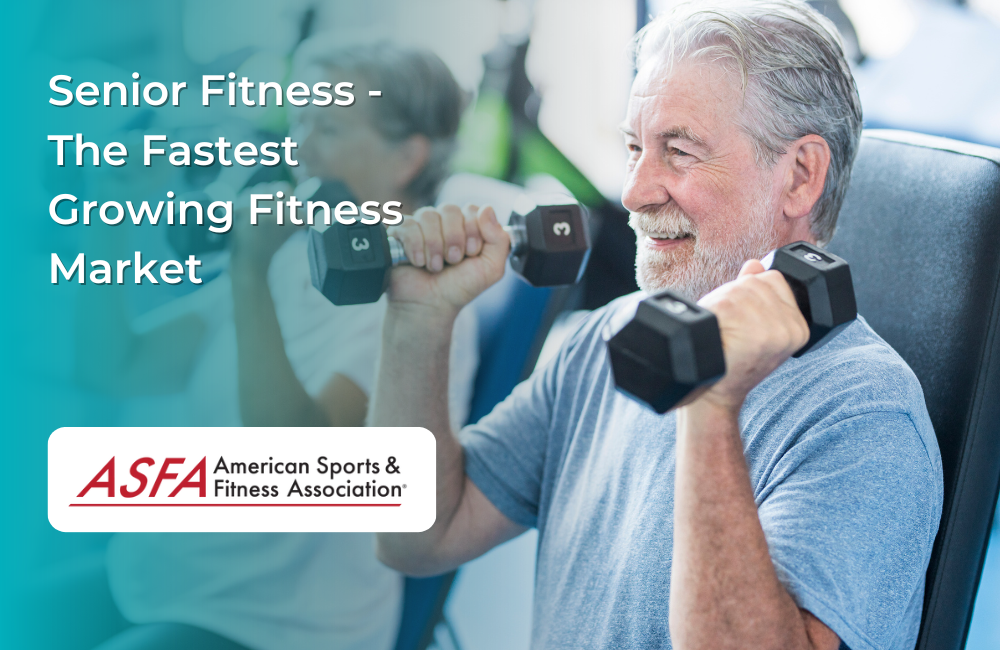
Senior Fitness - The Fastest Growing Fitness Market
There is more to Senior Fitness - The Fastest Growing Fitness Market than one rule. Context determines which details deserve attention.
Training for older adults should preserve challenge while respecting individual ability, health history, confidence, and recovery. The distinction matters in practice.
Increased Longevity
- Advances in healthcare have led to longer life expectancies, resulting in more seniors seeking ways to stay active and independent in their later years.
Health Awareness
- Seniors are becoming more health-conscious, understanding that regular exercise can help prevent chronic diseases and improve overall well-being.
Social Interaction
- Group fitness classes offer seniors opportunities to socialize and combat feelings of isolation, promoting mental health.
Functional Fitness
- Seniors benefit from exercises that improve balance, flexibility, and functional strength, enabling them to perform daily tasks with ease.
Personalization
- Customized fitness plans that consider each senior's unique abilities and goals are essential for success.
Specialized Certification
- Fitness professionals must undergo specialized training to understand the unique needs and considerations of senior clients.
Safe Environment
- Facilities should prioritize safety, with non-slip flooring, handrails, and adequate lighting in workout areas.
Outreach and Education
- Informing seniors about the benefits of fitness through workshops, seminars, and community events can attract new participants.
Motivation
- Some seniors may lack motivation or be hesitant to start a fitness program. Creating a supportive and encouraging environment is important.
Real-World Examples
- Highlighting success stories of seniors who have transformed their lives through fitness can inspire others to take the first step.
Decision Points
Practical point: Use individual screening, stable support, clear instructions, and enough recovery. Chronological age does not determine one program, but changes in balance, medications, symptoms, and health history can affect the session.
Limits and Safety
Exercise should be adjusted for the participant's experience, symptoms, environment, and available supervision. Stop for sharp pain, dizziness, chest discomfort, sudden weakness, or loss of control, and seek appropriate professional guidance when symptoms are persistent or concerning.
Final Coaching Note
The best application is specific enough to guide action and flexible enough to change when the person or circumstances change.
Start With the Purpose
Before applying Senior Fitness - The Fastest Growing Fitness Market, define the outcome in terms that can be observed. That may be steadier technique, a tolerable training dose, better consistency, clearer client communication, or a decision between two reasonable options.
- Goal: State what should improve and why it matters.
- Starting point: Use the person's current ability, experience, equipment, and constraints.
- Dose: Decide how much work or change is appropriate before adding more.
- Feedback: Track technique, tolerance, consistency, and the response after the session.
Progress Without Guesswork
Keep the first adjustment modest. If the response is useful and repeatable, progress one variable—such as range, load, duration, complexity, or frequency. If the result is poor, change the limiting variable instead of assuming that more effort will solve it.
Use Context, Not Assumptions
With Senior Fitness - The Fastest Growing Fitness Market, the same recommendation can produce different results for two people. Experience, recent workload, movement skill, available equipment, schedule, preferences, and recovery all change what is reasonable.
Review the result over several exposures rather than judging one unusually good or difficult session. Useful progress is usually visible as better control, a more appropriate workload, improved consistency, or clearer decision-making.

Define the Purpose Before Adding More
A good plan for Senior Fitness - The Fastest Growing Fitness Market prioritizes accessibility, repeatable technique, and gradual progress instead of using age alone to determine difficulty.
Define success in terms the participant can recognize: smoother movement, greater confidence, another controlled repetition, a longer comfortable interval, or improved consistency. The starting point should be based on present ability rather than an assumption about what someone of a certain age should be able to do.
Put the Guidance Through This Test
- What feedback should change the plan?
- Does the participant understand the task?
- Is the environment organized and accessible?
- What support or option preserves the goal?
- Is the challenge appropriate without being rushed?
- What small sign of progress will be reviewed?
The checklist is intentionally practical: each answer should change how the plan is designed, delivered, or reviewed.
Adjust One Variable at a Time
The most useful modification is the one that preserves the purpose of the activity. A smaller range or more support can still train strength, balance, coordination, or endurance when it is applied deliberately.
- Use feedback to determine the next level of challenge.
- Check that instructions are easy to hear and understand.
- Keep equipment and walking paths organized.
- Allow time for transitions and position changes.
Progress Without Losing the Original Goal
A successful starting version should not be discarded too quickly. Repetition builds familiarity and confidence. Once the participant can perform the task consistently, increase only the variable that best supports the goal. More complexity is not required when a simple movement still provides an appropriate challenge.
Track Enough to Make the Next Decision
A practical review includes:
- small improvements in control, endurance, or independence
- feedback from the participant and relevant qualified professionals
- the starting option selected
- whether the environment supports safe participation
When the response differs from the expectation, revisit the setup and assumptions before adding more volume, restriction, or complexity.
Individual Context Still Matters
Participants within the same age group can differ widely in experience, health status, strength, mobility, cognition, confidence, and goals. Use current function and qualified guidance where appropriate rather than relying on age-based assumptions. A respectful program offers meaningful choices and keeps the participant involved in decisions about challenge and progress.
Common Ways the Idea Gets Misapplied
- Ignoring feedback about fatigue, symptoms, or environmental barriers.
- Pushing the group pace when individual control is more important.
- Changing several elements before confidence is established.
- Treating an easier option as a lesser form of participation.
The correction is straightforward: return to the objective, simplify the setup, and change only what the available feedback supports.
Put the Guidance Through This Test
- What small sign of progress will be reviewed?
- What feedback should change the plan?
- Does the participant understand the task?
- Is the environment organized and accessible?
- What support or option preserves the goal?
- Is the challenge appropriate without being rushed?
If those questions have clear answers, the guidance is more likely to produce a plan that can be followed and evaluated.
A Simple Implementation Check
- Is the environment organized and accessible?
- What support or option preserves the goal?
- Is the challenge appropriate without being rushed?
- What small sign of progress will be reviewed?
- What feedback should change the plan?
- Does the participant understand the task?
If those questions have clear answers, the guidance is more likely to produce a plan that can be followed and evaluated.


