
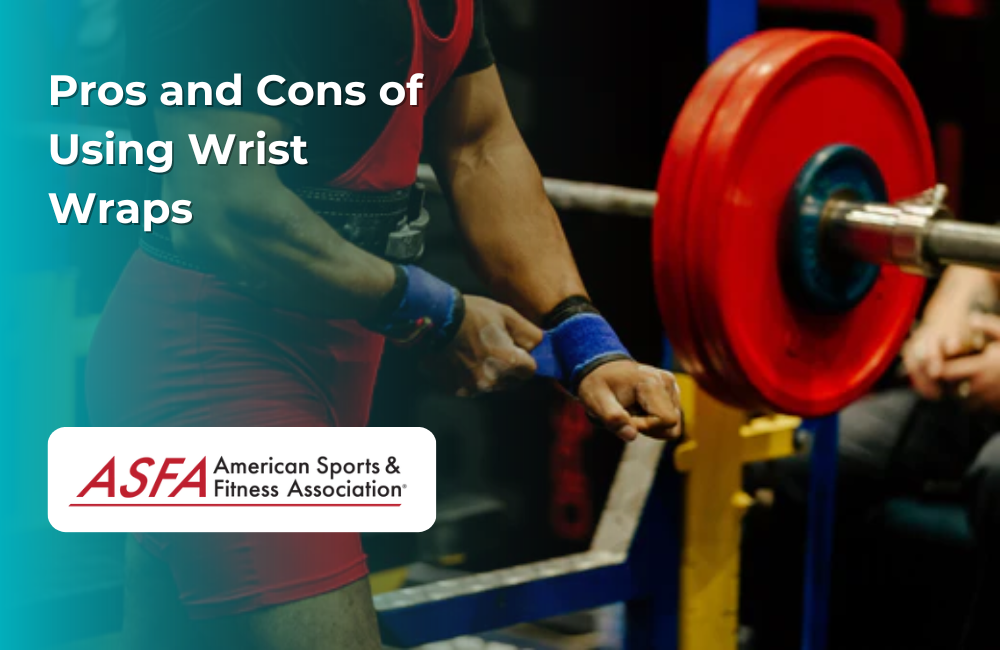
Pros and Cons of Using Wrist Wraps
Pros and Cons of Using Wrist Wraps is not a contest with one winner. The better choice depends on the training goal, the person using it, and the tradeoffs that matter most.
Technique is not a single perfect shape. It is a repeatable way to complete the movement while controlling the load, range, and positions that matter for the goal. There is room for individual preference, provided the basic constraints are respected.
How to Apply It
For instructors: Choose the variation that permits a stable setup and repeatable range. Add repetitions or resistance only while the same control is maintained; stop when pain or compensation changes the movement.
What Are Wrist Wraps?
Wrist wraps are fitness accessories designed to support your wrists during exercises that put a lot of strain on your wrists, such as weightlifting, powerlifting, and bodybuilding. They are also beneficial for exercises like the overhead press, providing support and stability.
1. Enhanced Wrist Support and Stability
One of the most significant advantages of wrist wraps is the extra support they provide during exercises that require wrist stability. Deltoid exercises, such as overhead presses or lateral raises, can place a great deal of stress on your wrists, especially if you’re lifting heavy weights.
- Improved Form: Wrist wraps can help you maintain hand alignment during exercises, which is important for preventing injury and maximizing the effectiveness of your workout.
- Prevention of Injury: Wrist strain and injury are common during weight training, particularly when improper form is used. Wrist wraps offer additional protection by limiting excessive wrist movement, reducing the risk of hyperextension or strain.
- Support During Heavy Lifts: Athletes who regularly perform heavy lifts like bench presses, squats, or deadlifts often benefit from the added support wrist wraps provide, helping them lift heavier without compromising their wrists.
2. Increased Confidence
For many people, the psychological aspect of wearing wrist wraps can be just as important as the physical benefits. Wearing wrist wraps can increase your focus and brain power by making you feel more confident in your lifting capabilities.
- Mental Boost: Athletes often experience an altered state of focus when using wrist wraps, which can push them to break through fitness plateaus.
- Personal Accountability: When you feel more confident in your equipment, you're more likely to push yourself further in your workouts, which can lead to increased motivation and better results over time.
1. Potential for Over-Reliance
One of the main risks associated with wrist wraps is the potential to become overly reliant on them. Using wrist wraps too often can lead to the muscles in your wrists and forearms becoming underdeveloped, as the wraps take over some of the stabilization responsibilities.
- Weakening of Wrist Muscles: If you rely on wrist wraps for every lift, your wrists may not develop the strength and flexibility they need to support lighter loads. This can create a weakness that may lead to injury when performing exercises without the wraps.
- Reduced Natural Wrist Mobility: Constantly using wrist wraps can limit your natural range of motion and flexibility. It's important to ensure you're also incorporating exercises that strengthen your wrist and forearm muscles without wraps to maintain balance and functional strength.
2. Improper Use Can Increase Wrist Injuries Risk
Wrist wraps are only beneficial if used correctly. Incorrect wrapping or over-tightening can alter your form and increase your risk of injury.
- Incorrect Fit or Tightness: If wrist wraps are too tight, they can restrict blood flow and make your wrists stiff. On the other hand, if they’re too loose, they won’t provide the support you need, leading to poor form and potential strain.
- Form Disruption: While wrist wraps are intended to improve form, using them incorrectly or relying on them too much can cause improper technique, leading to compensatory movements that increase your injury risk. Consulting with a personal trainer or coach is essential to ensure proper application and use.
1. Material and Durability
When it comes to wrist wraps, the material and durability are important. Look for wraps made from high-quality, durable materials that can withstand heavy use.
2. Size and Fit
A proper fit is essential for a wrist wrap to be effective. Be sure to choose a wrap that fits comfortably around your wrist, without being too tight or too loose.
How to Use Wrist Wraps Correctly
To gain the full benefit of wrist wraps without risking injury, it's essential to use them correctly. Here's how you can ensure you're getting the most out of your wrist wraps:
1. Consult a Personal Trainer
Before incorporating wrist wraps into your routine, it's a good idea to consult with a personal trainer. Trainers are well-versed in the proper use of fitness tools and can show you how to apply your wraps correctly.
- Professional Guidance: A trainer can guide you on when to use wrist wraps, such as during heavy lifts or exercises that place strain on your wrists, and when it's better to let your wrists support the weight naturally to build strength.
3. Use Them Strategically
Wrist wraps should be used as a tool to assist in heavy lifts like the bench press, but they shouldn’t replace natural wrist strength. Use them strategically for exercises where you’re lifting more than 70-80% of your maximum weight, such as heavy bench presses or overhead lifts.
- Cycle Their Use: Incorporate wrist wraps when necessary but avoid using them for every workout. On lighter days or for exercises that don’t place excessive strain on your wrists, allow your wrists and forearms to strengthen naturally.
Who Can Benefit from Wrist Wraps?
Wrist wraps can benefit athletes of all ages and fitness levels, from beginners to advanced lifters. Exercises like the overhead press can benefit from the added wrist stability provided by wrist wraps.
- Lifters Who Perform Heavy Weight Training: Athletes lifting near their maximum capacity can benefit from the added wrist stability provided by wrist wraps.
- Individuals Recovering from Wrist Injuries: For those recovering from wrist injuries, wraps can offer additional support during recovery, though it’s important to consult with a healthcare professional first.
- Fitness Enthusiasts Seeking Confidence: The psychological boost that wrist wraps provide can help individuals push past mental barriers and achieve new personal bests in their workouts.
Wrist Straps
Wrist straps are a great alternative to wrist wraps, offering a more minimalist approach to wrist support. They are typically made from a single strap of material that wraps around the wrist, providing additional support and stability.
By considering these factors and alternatives, you can find the perfect wrist wrap or alternative to meet your needs and help you maintain proper form and prevent wrist injuries. Remember to always prioritize proper form and technique, and use wrist wraps or alternatives as a tool to support your training, not replace it.
Conclusion: Should You Use Wrist Wraps?
Wrist wraps can be an excellent tool to support your training, especially when lifting heavy weights or performing exercises that place significant stress on your wrists. They provide stability, improve form, and help help manage injury risk.
By consulting with a personal trainer, learning proper wrapping techniques, and using wrist wraps strategically, you can enhance your workouts and achieve your fitness goals safely and effectively. Wrist wraps can offer both physical and mental benefits to help you succeed.
When to Modify or Stop
Exercise should be adjusted for the participant's experience, symptoms, environment, and available supervision. Stop for sharp pain, dizziness, chest discomfort, sudden weakness, or loss of control, and seek appropriate professional guidance when symptoms are persistent or concerning.
Next-Step Perspective
Keep the goal visible, make the smallest change that addresses it, and reassess before adding complexity.


