
Mat Pilates vs. Equipment Pilates: Pros and Cons
Comparisons such as Mat Pilates vs. Equipment Pilates: Pros and Cons are useful when they clarify a decision. They are less useful when every difference is turned into a universal advantage.
Pilates uses controlled movement, breathing, and position to train coordination and strength. The method is adaptable; the individual exercise is not the goal by itself. The distinction matters in practice.
What is Pilates?
Developed by Joseph Pilates in the early 20th century, Pilates is a physical fitness system that focuses on core stability, posture, flexibility, and overall body awareness. The primary goal of Pilates is to strengthen and balance the entire body, with a particular focus on building the “powerhouse,” which includes the abdominal muscles, lower back, hips, and glutes.
The two principal categories of Pilates—mat Pilates and equipment Pilates—both adhere to these foundational principles but use different approaches and tools to achieve results.
Types of Pilates
Pilates is a versatile exercise method that offers various types of workouts to cater to different needs and preferences. The two main types of Pilates are Mat Pilates and Reformer Pilates.
Mat Pilates is the more traditional form, focusing on exercises performed on a mat using bodyweight resistance. It emphasizes core strength, flexibility, and control, making it accessible and cost-effective.
Reformer Pilates, on the other hand, uses specialized equipment like the Pilates Reformer to provide adjustable resistance and support. This type of Pilates allows for a more customized and precise workout, targeting multiple muscle groups simultaneously.
Core Features of Mat Pilates
- Core-Centric Workouts: Mat Pilates is fundamentally about building core strength. Nearly every exercise in mat Pilates involves engaging the abdominal muscles, often referred to as the “core” or “powerhouse” in Pilates practice.
- No Equipment Required (Optional Tools): All you need to begin is a mat. However, small props like resistance bands, yoga balls, or stability balls can be introduced to increase difficulty and range of motion.
- Focus on Flexibility and Control: Pilates isn’t just about strength—it’s also about flexibility and movement control. Pilates exercises promote long, lean muscles by focusing on stretching and elongating movements that improve range of motion.
- Bodyweight Exercises: In mat Pilates, you rely solely on bodyweight exercises for resistance. This makes the exercises incredibly versatile, as they can be adjusted to accommodate beginners or advanced practitioners alike.
Popular Mat Pilates Exercises
- The Hundred: A core core exercise where you lie on your back, legs raised, and pump your arms up and down while holding your core tight.
- The Roll-Up: This is an advanced abdominal movement that transitions from lying flat on the mat to a seated position in one smooth, controlled motion.
- Bicycle: This exercise targets both the core and the legs by mimicking a pedaling motion while engaging the abdominals.
- Pilates Push-Up: A variation of the traditional push-up that focuses on controlled, fluid movement and core engagement throughout the exercise.
Advantages of Mat Pilates
- Accessible and Affordable: Mat Pilates, especially through mat classes, can be performed at home, outdoors, or in a gym. It requires only a mat, making it an accessible and cost-effective fitness option.
- Ideal for All Fitness Levels: Because mat Pilates can be modified to suit all fitness levels, it’s an excellent choice for both beginners and advanced practitioners. There are basic movements for those just starting and advanced variations for those seeking a more intense challenge.
- Portable and Flexible: Mat Pilates is a go-anywhere exercise system. Whether you’re traveling or working out at home, all you need is enough floor space to lay down your mat.
Equipment Pilates: A Deeper Level of Customization and Precision
While mat Pilates focuses on bodyweight resistance and core work, equipment Pilates incorporates specialized machinery to offer a more dynamic and customizable workout. Attending a reformer Pilates class provides advantages similar to traditional strength training, utilizing resistance and progressive overload to improve movements and improve muscle targeting.
Key Features of Equipment Pilates
- The Reformer: The Pilates Reformer machine is designed to improve the Pilates experience by allowing for a greater range of exercises and resistance levels. It features a sliding platform (the carriage), adjustable springs for varying resistance, and a footbar.
- Multi-Muscle Engagement: The Reformer allows you to work multiple muscle groups simultaneously and target specific muscles that are difficult to isolate with bodyweight alone. For instance, pushing against the Reformer's footbar can work your legs, core, and upper body all at once.
- Expanded Range of Motion: The equipment provides more support and resistance, enabling a more controlled and extensive range of motion compared to mat Pilates. This expanded range allows for a deeper focus on flexibility, strength, and precision.
- Precision and Customization: Equipment Pilates allows for more precise adjustments and movements. The ability to adjust the tension of the springs and vary the positions makes the workout more customizable and versatile.
Popular Equipment Pilates Exercises
- Footwork: A basic Reformer exercise where you lie down on the carriage and press your feet against the footbar, working your legs, glutes, and core.
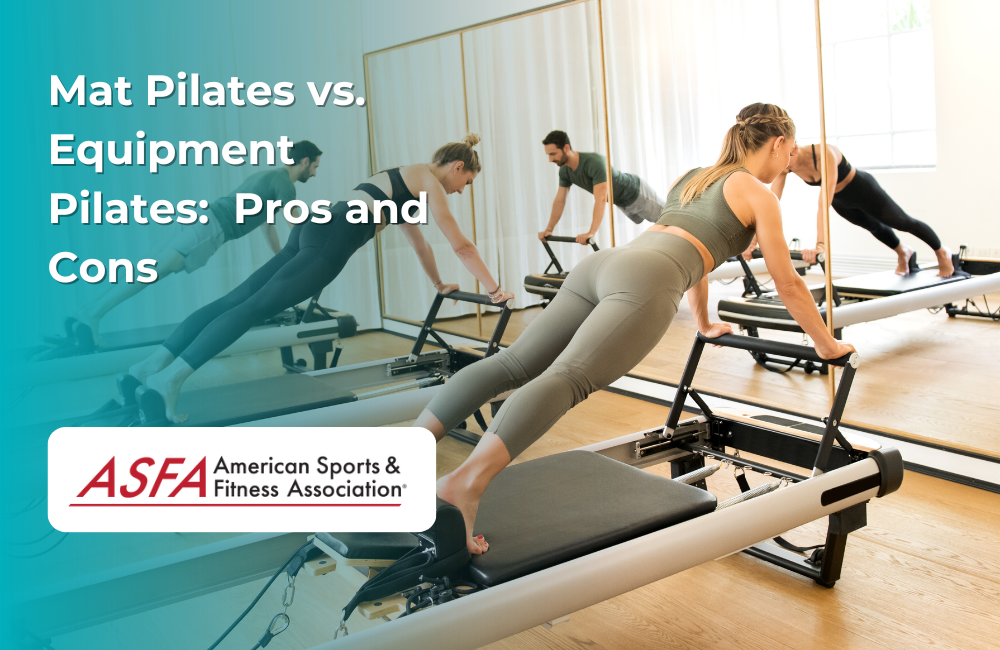
- The Long Stretch: A plank-like exercise performed on the Reformer that targets the shoulders, arms, core, and legs simultaneously.
- Leg Circles: Performed with the straps attached to your feet, this exercise challenges the core while stretching and strengthening the legs.
- Arm Circles: Using the straps attached to your hands, this exercise helps develop shoulder stability and upper body strength while engaging the core.
Comparing Mat and Equipment Pilates
Though mat Pilates and equipment Pilates share foundational principles, each offers distinct benefits based on your fitness goals, preferences, and available resources.
Pilates for Fat Loss, Toning, and General Fitness
Whether you’re doing mat Pilates or equipment Pilates, both can contribute significantly to your fitness goals, particularly in terms of fat loss, muscle toning, and flexibility. Practicing Pilates regularly is essential for enhancing mind-body awareness and achieving noticeable improvements in strength and body awareness.
How Pilates Supports Fat Loss
- Increased Muscle Engagement: Pilates helps build lean muscle tissue, which increases your resting metabolic rate, meaning you'll burn more calories throughout the day.
- Calorie Burning: Though Pilates isn't typically associated with high-calorie burn, the intensity of equipment Pilates can elevate your heart rate, contributing to fat loss, especially when incorporated into a complete workout program.
- Core and Abdominal Toning: Both mat and equipment Pilates focus on the core, which can help sculpt and tone the abdominal area. The more you engage your core, the stronger and more defined these muscles will become.
Common Mistakes to Avoid
When practicing Mat Pilates, it’s essential to avoid common mistakes that can lead to injury or ineffective workouts. Here are some common mistakes to avoid:
- Poor Posture: Maintaining proper posture is important in Mat Pilates. Avoid slouching or arching your back, and engage your core to support your spine.
- Insufficient Core Engagement: Failing to engage your core can lead to ineffective workouts and increased risk of injury. Focus on drawing your navel towards your spine and maintaining a stable core throughout the exercises.
- Overreliance on Momentum: Avoid using momentum to complete exercises, as this can lead to injury and ineffective workouts. Instead, focus on slow and controlled movements that engage your muscles.
- Ignoring Breathing: Breathing is an essential aspect of Mat Pilates. Avoid holding your breath, and focus on deep, rhythmic breathing that synchronizes with your movements.
- Not Listening to Your Body: It’s essential to listen to your body and modify or rest when needed. Avoid pushing yourself too hard, and prioritize proper form and technique over quantity and speed.
Conclusion: Choosing Between Mat and Equipment Pilates
Both mat Pilates and equipment Pilates offer unique and meaningful benefits for building strength, improving flexibility, and enhancing overall body control.
- Mat Pilates is ideal for people looking for a portable, accessible, and cost-effective workout that can be done anywhere. It's great for beginners who want to build core strength, flexibility, and control without needing specialized equipment.
- Equipment Pilates, with its focus on precise movements, progressive resistance, and deeper muscle engagement, is perfect for people seeking a more customized and supported workout. Equipment Pilates offers a tailored approach to fitness.
Decision Points
Practical point: Select the exercise and range according to the participant's control, not the appearance of the final position. Props and support can improve the training effect when they reduce unnecessary compensation.
Limits and Safety
Exercise should be adjusted for the participant's experience, symptoms, environment, and available supervision. Stop for sharp pain, dizziness, chest discomfort, sudden weakness, or loss of control, and seek appropriate professional guidance when symptoms are persistent or concerning.
Final Coaching Note
The best application is specific enough to guide action and flexible enough to change when the person or circumstances change.


