
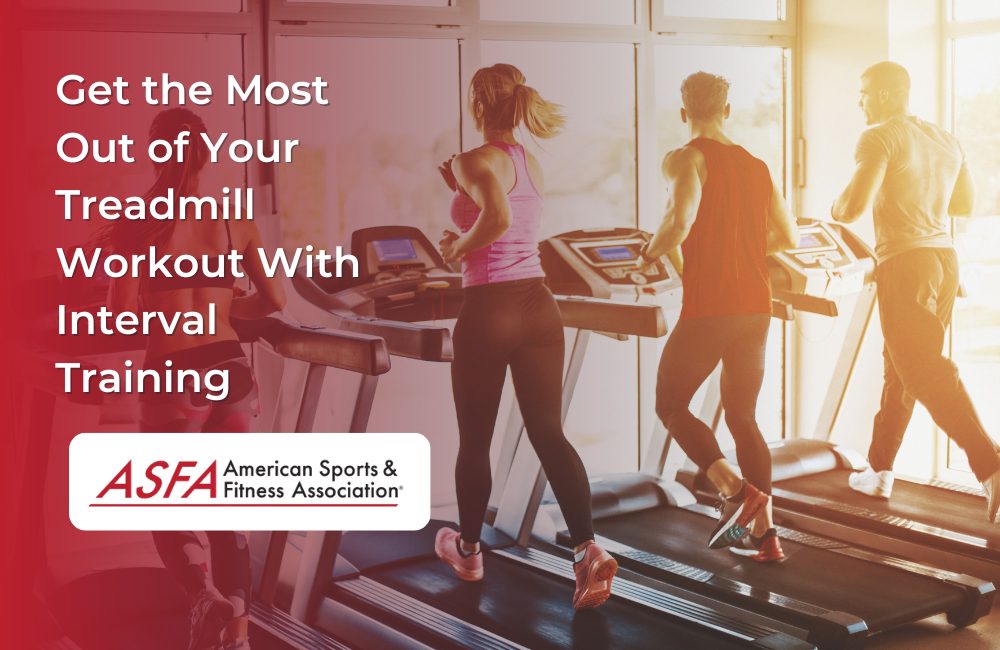
Interval Training on A Treadmill
The clearest way to discuss Interval Training on A Treadmill is to narrow the claims and state the practical limits plainly.
Technique is not a single perfect shape. It is a repeatable way to complete the movement while controlling the load, range, and positions that matter for the goal. A simple rule helps: keep the goal visible and adjust the method.
What Is Interval Training?
Interval training is a type of physical exercise characterized by periods of intense effort interspersed with periods of rest or lighter activity. During the high intensity portion of the workout, the body is pushed to its maximum effort and the heart rate is increased.
Interval training has a number of benefits compared to continuous, steady-state exercise. Intervals are a great way to increase the intensity of your workout without overtraining or getting injured.
Interval training is a great way to mix up your exercise routine and take your workouts to the next level. With intervals, you are able to challenge yourself more and vary the intensity of your workout, which can help you reach your goals faster.
The Benefits of Interval Training
Interval training has been used by athletes and fitness enthusiasts for decades, and with good reason. Interval training offers a number of key benefits that make it an effective way to get the most out of your workout.
- Improved Cardiovascular Health: One of the main benefits of interval training is improved cardiovascular health. By alternating short bursts of intense exercise with more moderate intensity exercise, your heart rate can be kept at an optimal level that promotes cardiovascular health.
- Increased Metabolism: Interval training can helps increase your metabolism as your body works harder to recover from the higher intensity bursts of exercise. This can help you burn more calories and ultimately aid in weight loss.
- Improved Performance: When it comes to running or other endurance activities, interval training can help improve performance by pushing your body to its limits in short bursts. This helps condition your body to better handle long bouts of activity, resulting in improved endurance and overall performance.
- Increased Endurance: Interval training also increases your body’s overall endurance levels by pushing it to its limits and then allowing it to rest. By doing this repeatedly, you can gradually improve your endurance levels and become a better athlete overall.
- Time-Efficient: Interval training is an incredibly time-efficient way to get in a full workout without spending hours in the gym or on the treadmill. You can get a great workout in a fraction of the time by using interval training.
How to Incorporate Intervals Into Your Treadmill Workout
Interval training is a great way to get the most out of your treadmill workouts and really boost your performance. Here are some tips for incorporating intervals into your treadmill workout:
- Start with a warm-up period: Before you start any interval workout, it’s important to give yourself some time to warm up. This could mean starting at a slow jog and gradually increasing the speed, or walking at an incline to increase the intensity.
- Plan your intervals: After warming up, it’s time to plan out your intervals. Start by deciding on your goal pace and then breaking it down into manageable chunks.
- Incorporate rest periods: Don’t forget to take breaks between intervals! Rest periods allow you to recover and prepare for the next interval, so remember to allow enough time in between.
- Monitor your progress: Keeping track of your performance is important when doing interval training on the treadmill. Use a heart rate monitor or other fitness tracking device to measure your progress over time and make sure you’re pushing yourself enough.
Sample Treadmill Interval Workouts
Interval training can be a great way to make your workout more effective and efficient. Here are some sample treadmill interval workouts you can try to get the most out of your time on the machine:
- Beginner's Interval Workout: Warm up for three minutes at an easy pace, then alternate two minutes of running with one minute of walking for 30 minutes. Finish your workout with a three-minute cool down.
- Sprint Interval Workout: Warm up for five minutes at an easy pace, then alternate 30 seconds of sprinting with 30 seconds of jogging for 30 minutes. Finish your workout with a five-minute cool down.
- HIIT Interval Workout: Warm up for five minutes at an easy pace, then alternate one minute of intense running with one minute of light jogging for 30 minutes. Finish your workout with a five-minute cool down.
- Hill Interval Workout: Warm up for five minutes at an easy pace, then alternate two minutes of running uphill with one minute of running downhill for 30 minutes. Finish your workout with a five-minute cool down.
Safety and Scope
Exercise should be adjusted for the participant's experience, symptoms, environment, and available supervision. Stop for sharp pain, dizziness, chest discomfort, sudden weakness, or loss of control, and seek appropriate professional guidance when symptoms are persistent or concerning.
The Useful Conclusion
Use the information to make one clear adjustment, then judge the result from repeatable performance rather than novelty.
Practical Guidance
A useful checkpoint: Choose the variation that permits a stable setup and repeatable range. Add repetitions or resistance only while the same control is maintained; stop when pain or compensation changes the movement.

Start With the Decision That Matters
Interval Training on A Treadmill becomes more practical when the exercise choice, training dose, and progression method all point toward the same outcome.
Decide whether the priority is skill, strength, muscle development, mobility, work capacity, or general activity. That choice affects exercise order, range of motion, resistance, repetitions, rest, and frequency. A program becomes harder to evaluate when several goals are pursued in the same set without a clear priority.
Progress Without Losing the Original Goal
Progression is not limited to adding weight. Better control, a smoother range of motion, a longer pause, improved balance, or the same work at a lower perceived effort can all represent progress. Choose the next step that fits the goal. An advanced variation is not an upgrade when it changes the exercise so much that the original objective is lost.
Measure the Response That Matters
A short record is usually enough. Review:
- whether fatigue interfered with other training
- the variation and setup used
- where technique first changed
- whether the target goal improved across several sessions
Use the record to make a decision: continue, progress, simplify, or replace the current approach. Data that never changes a decision is unnecessary.
Context Changes the Best Choice
Two people can use the same exercise for different reasons and need different versions. Training history, limb proportions, mobility, confidence, equipment, schedule, symptoms, and the rest of the program all affect the decision. Standardize the objective and the tracking method; individualize the setup and dose. That balance makes comparisons more useful without forcing every repetition to look identical.


