
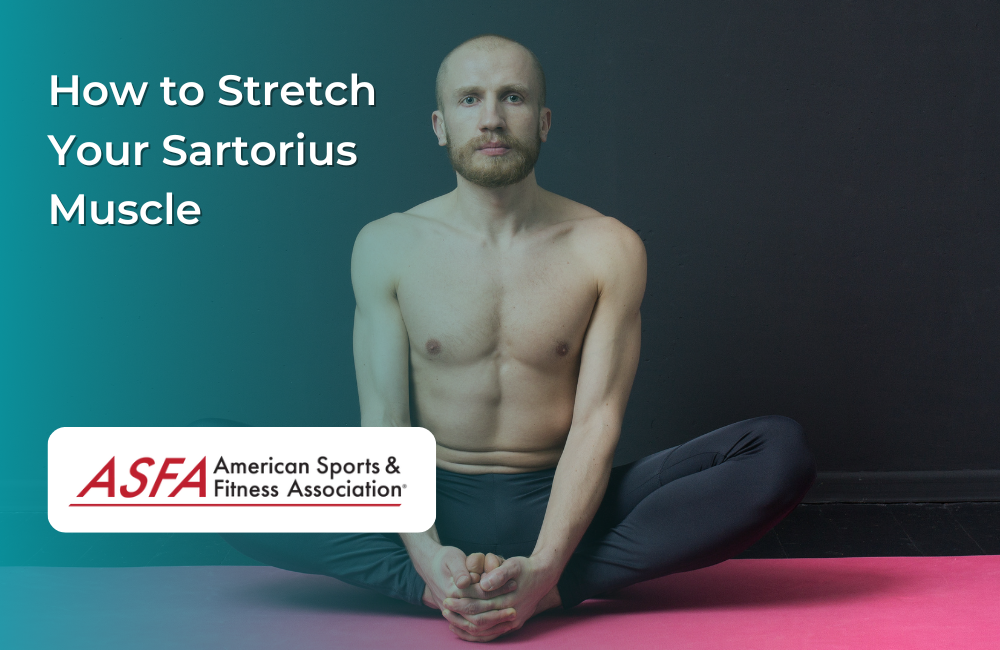
How to Stretch Your Sartorius Muscle
For How to Stretch Your Sartorius Muscle, sequence matters: decide on the goal, choose a workable starting point, and use feedback to guide the next change.
Mobility changes slowly and responds to regular practice. Sensation alone is not proof that a drill is helping. The distinction matters in practice.
Decision Points
A useful checkpoint: Use a range that creates tension without sharp pain, numbness, or loss of control. Longer or deeper is not automatically better; progress should be based on repeatable motion and the demands of the activity.
How to Stretch Your Sartorius Muscle: Understanding Its Importance
The sartorius muscle, the longest muscle in the human body, crosses both the hip and knee joints, making it a complex muscle involved in multiple movements. The sartorius muscle function includes aiding in hip flexion, abduction, and lateral rotation, while also collaborating with larger muscles during these movements.
- Hip flexion: Lifting the thigh towards the torso.
- Knee flexion: Bending the knee.
- External rotation: Rotating the thigh outward.
- Abduction: Moving the leg away from the body’s midline.
Seated Butterfly Stretch
This stretch is excellent for targeting the sartorius, as well as other muscles in the inner thighs and hips. The cross-legged position engages the sartorius muscle, making it an effective way to activate and stretch this muscle.
- How to Do It:- Sit on the floor with your legs bent and feet together, bringing the soles of your feet close to your pelvis.
- Allow your knees to drop toward the floor, gently opening up your hips.
- Place your hands on your feet or ankles and sit up straight, keeping your back neutral.
- Hold this position for 20-30 seconds, focusing on breathing deeply to deepen the stretch.
Standing Sartorius Stretch
This standing stretch targets the sartorius by extending the hip in a way that stretches the muscle across the hip joint, incorporating internal rotation to enhance the stretch.
- How to Do It:- Stand up straight and place one foot on a raised surface, like a bench or low chair, with your knee bent outward.
- Keep your chest lifted and lean slightly forward from your hips, ensuring that your knee stays out to the side.
- You should feel a gentle stretch along the inner thigh and the front of the hip.
- Hold the position for 20-30 seconds, then switch sides.
Lunge with a Twist
This dynamic stretch helps release tightness in the sartorius while also improving flexibility in the hip flexors, including the rectus femoris, and quads. It adds rotation to stretch the muscle effectively and supports hip abduction.
- How to Do It: Step forward into a deep lunge with your right foot, ensuring that your knee does not extend beyond your toes.
- Place your left hand on the floor for balance and twist your torso to the right, reaching your right hand toward the ceiling.
- Engage your core and hold this position for 20-30 seconds, feeling the stretch along the hip and thigh.
- Repeat on the other side.
Supine Sartorius Stretch
This stretch is performed while lying on your back and helps target the sartorius through controlled hip and knee movements, enhancing flexibility and mobility in the lower limb.
- How to Do It:- Lie on your back with both legs extended straight.
- Bring your right knee towards your chest and gently rotate it outward, aiming to move your thigh away from your torso.
- Hold your knee with your hands and gently pull it toward your opposite shoulder for a deeper stretch.
- Hold for 20-30 seconds and then repeat on the other side.
Frog Stretch
The frog stretch is a deep inner thigh stretch that also targets the sartorius. The gluteus maximus acts as a synergist in this stretch, aiding in hip abduction and lateral rotation.
- How to Do It:
- Begin on all fours, with your knees spread wide apart and your feet pointed outward.
- Slowly lower your hips towards the floor while keeping your feet in place.
- Lower your body as much as comfortably possible, feeling the stretch along the inner thighs and hips.
- Hold the position for 20-30 seconds, breathing deeply to help relax your muscles.
Hip Flexor Stretch with Leg External Rotation
This stretch targets the sartorius by focusing on the external rotation of the hip joint. The vastus medialis, part of the quadriceps muscle group, also plays a role in this stretch by stabilizing the knee and aiding in the overall function of the anterior thigh muscles.
- How to Do It:
- Begin in a lunge position with your right foot forward and left knee on the ground.
- Gently rotate your left hip outward so that your left knee moves slightly away from your body.
- Hold this position for 20-30 seconds, making sure to feel the stretch in the front of the hip and down the inner thigh.
- Switch sides and repeat.
Tips for Effective Stretching
- Warm Up First: Stretching cold muscles can increase the risk of injury. Perform light aerobic exercise or dynamic stretches before focusing on static stretches like those for the sartorius.
- Breathing: Deep breathing helps relax the muscles, making it easier to deepen the stretch.
- Avoid Bouncing: Perform the stretch in a smooth, controlled motion. Bouncing can lead to muscle strain or injury.
- Consistency is Key: Regular stretching, ideally after workouts or as part of a daily routine, will improve flexibility over time.
- Recognize Acute Injury: Understanding and identifying acute injury, such as muscle tears or strains in the sartorius muscle, is important. This helps prevent further muscle strain and addresses discomfort in the hips and knees, especially in athletes.
Benefits of Stretching the Sartorius Muscle
Stretching the sartorius offers several benefits, especially for people who engage in activities that require a lot of hip movement, such as running, cycling, or weightlifting. The sartorius, also known as the 'tailor's muscle', plays an important role in these activities.
- Increased Flexibility: Regularly stretching the sartorius improves flexibility in the hips and thighs, helping you move more freely and comfortably.
- Reduced Tightness and Pain: Stretching helps alleviate tightness and discomfort, particularly in the hip and lower back areas, which are commonly affected by a tight sartorius muscle.
- Improved Athletic Performance: A flexible sartorius improves your ability to perform movements like lunges, squats, and running, as it enhances hip mobility and reduces the risk of injury. Another consideration is that acknowledging the quadriceps muscles alongside the sartorius is important for comprehensive lower body training.
- Better Posture: Stretching the sartorius can help prevent muscle imbalances that lead to poor posture. By lengthening the muscle, it promotes better alignment of the hips and spine.
Final Coaching Note
Use the information to make one clear adjustment, then judge the result from repeatable performance rather than novelty.


