
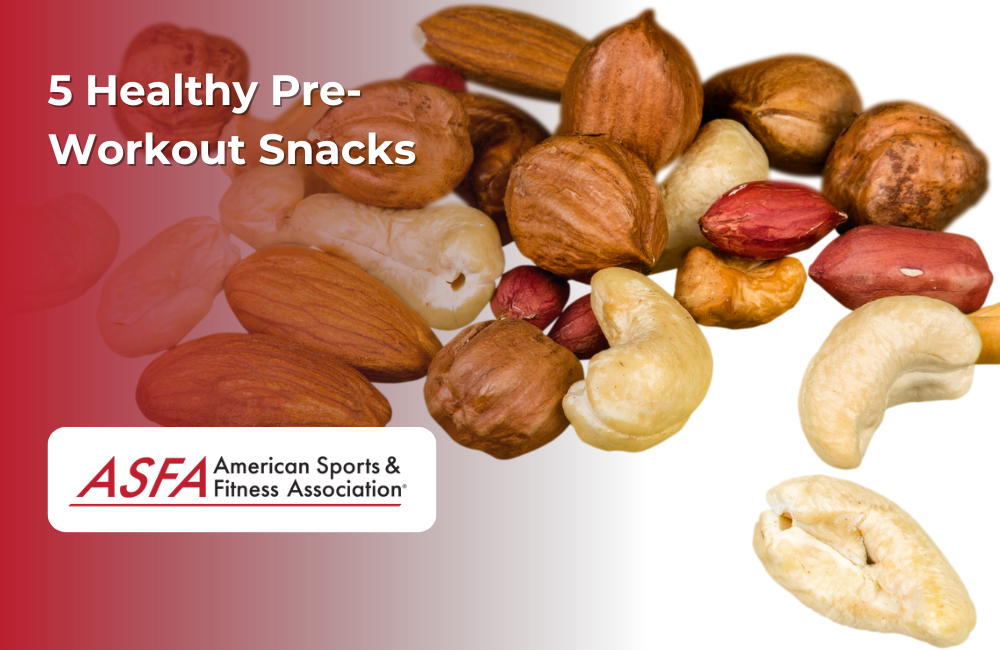
5 Healthy Pre-Workout Snacks
5 Healthy Pre-Workout Snacks covers several ideas, but they do not all carry the same weight. Start with the points that affect execution and consistency.
Technique is not a single perfect shape. It is a repeatable way to complete the movement while controlling the load, range, and positions that matter for the goal. The practical question is how to use the information without overstating it.
Components
- Carbohydrates: Provide quick energy.
- Protein: Supports muscle function and repair.
- Healthy Fats: Offer sustained energy.
- Hydration: Ensures you are well-hydrated before starting your workout.
- Food Groups: Different food groups provide essential nutrients needed for a balanced pre-workout meal.
Recipe Idea
Chia Seed Smoothie
- Ingredients: 1 cup almond milk
- 1 banana
- 1 cup spinach
- 1 tablespoon chia seeds
- 1/2 cup frozen berries
Directions: Blend all ingredients until smooth. Enjoy immediately for a nutrient-packed pre-workout snack.
2. Veggie Sticks & Hummus Spread
- Fiber-Rich: Incorporating different foods like various veggie sticks can provide fiber, aiding digestion and keeping you full.
- Protein Source: Hummus provides protein and healthy fats, supporting muscle function.
- Low GI Distress: Light and easily digestible, reducing the risk of stomach issues during workouts.
Fruit Options
- Bananas: High in potassium and easy to digest.
- Oranges: Provide vitamin C and hydration.
- Apples: Offer fiber and natural sugars for sustained energy.
- Pairing: Pair fruit with a small handful of nuts for added protein and healthy fats.
- Pre-Cut: Pre-cut fruits for convenience and quick access.
- Variety: Mix different fruits to keep your snacks interesting and varied.
Fruit and Nut Mix
- Ingredients: Sliced bananas, apple slices, orange segments, 1/4 cup mixed nuts.
- Directions: Combine all ingredients in a bowl and enjoy.
Nut Butter Alternatives with Unsaturated Fats
- Almond Butter: Rich in vitamin E and healthy fats.
- Cashew Butter: Creamy texture and high in magnesium.
- Sunflower Seed Butter: Nut-free option, high in healthy fats.
Peanut Butter Bagel
- Ingredients: 1/2 whole-grain bagel, 2 tablespoons peanut butter.
- Directions: Spread peanut butter on the bagel half and enjoy.
- Variety: Use whole-grain or multigrain bagels for added fiber.
- Toppings: Add sliced banana or a drizzle of honey for extra flavor.
- Portion Control: Stick to half a bagel to avoid overconsumption of calories.
7. Oatmeal with Nuts and Dried Fruit
- Complex Carbs: Oatmeal provides sustained energy. Brown rice can be another excellent source of complex carbs for sustained energy.
- Healthy Fats: Nuts add healthy fats and protein.
- Fiber: Dried fruit adds fiber and natural sweetness.
- Ingredients: 1/2 cup rolled oats, 1 cup almond milk, 1 tablespoon chopped nuts, 1 tablespoon dried cranberries.
- Directions: Cook oats in almond milk. Top with nuts and dried cranberries.
- Preparation: Make overnight oats for a quick and easy pre-workout meal.
- Toppings: Add fresh fruit or a drizzle of maple syrup for added flavor.
- Portion Control: Adjust portions based on your energy needs.
Conclusion: The Role of a Balanced Diet
Good pre-workout nutrition is a key component of healthy eating and doesn’t have to be complicated to be effective. Simple snacks that provide carbohydrates, protein, or natural fructose can stabilize your blood sugar and provide the energy needed for your workout.
Safety and Scope
Exercise should be adjusted for the participant's experience, symptoms, environment, and available supervision. Stop for sharp pain, dizziness, chest discomfort, sudden weakness, or loss of control, and seek appropriate professional guidance when symptoms are persistent or concerning.
A Clear Bottom Line
Use the information to make one clear adjustment, then judge the result from repeatable performance rather than novelty.
Use It in Practice
A useful checkpoint: Choose the variation that permits a stable setup and repeatable range. Add repetitions or resistance only while the same control is maintained; stop when pain or compensation changes the movement.

Look Beyond a Single Session
With 5 Healthy Pre-Workout Snacks, the same recommendation can produce different results for two people. Experience, recent workload, movement skill, available equipment, schedule, preferences, and recovery all change what is reasonable.
Review the result over several exposures rather than judging one unusually good or difficult session. Useful progress is usually visible as better control, a more appropriate workload, improved consistency, or clearer decision-making.
Use a Goal-First Framework
Practical decisions related to 5 Healthy Pre-Workout Snacks depend on context: the serving, the rest of the day’s intake, activity, tolerance, and the goal being pursued.
A food can be convenient in one setting and impractical in another. A higher-protein choice may support one meal, but it does not compensate for an overall pattern that fails to match energy needs, food preferences, or training demands. Compare realistic portions and preparation methods rather than judging foods from a headline or a single nutrient.
Adapt the Guidance to the Person
Energy needs, body size, activity, food access, culture, preferences, allergies, digestive tolerance, and the rest of the diet all affect the practical choice. General nutrition information can help organize options, but it cannot determine an individualized plan for every person. Keep recommendations flexible enough to fit real meals and seek qualified guidance when needs are complex.
Mistakes That Make the Result Harder to Read
- Using short-term scale movement or one workout as proof of a lasting effect.
- Judging a food from one nutrient while ignoring the complete portion and meal.
- Assuming a food is automatically helpful or harmful for every goal.
- Making several large changes at once and then guessing which one mattered.
Avoiding these errors makes the guidance easier to individualize and the result easier to evaluate.
Use This Before the Next Session
- Is individualized guidance needed for a condition, allergy, or complex goal?
- What is the smallest sustainable improvement?
- What is the actual portion and preparation method?
- How does the choice fit the complete meal and day?
- Is the plan realistic for schedule, budget, access, and preferences?
- What response will be monitored across normal days?
If those questions have clear answers, the guidance is more likely to produce a plan that can be followed and evaluated.
The Details That Alter the Outcome
Nutrition choices are easier to evaluate when the variables are visible. A food eaten alone may produce a different experience than the same food combined with protein, carbohydrate, fat, fiber, and fluid in a complete meal.
- Read the full label when packaged foods are involved.
- Account for preparation oils, sauces, and added ingredients.
- Use a realistic weekly pattern instead of an idealized single day.
- Keep cultural preferences and budget inside the plan.
Use Feedback to Choose the Next Step
Use a gradual process when changing intake. Large restrictions or complicated rules can make it difficult to identify what is helping and may be hard to sustain. Establish the current pattern, choose one priority, and monitor hunger, energy, training quality, recovery, and digestive comfort. Keep the change only when the overall result supports the stated goal.


