
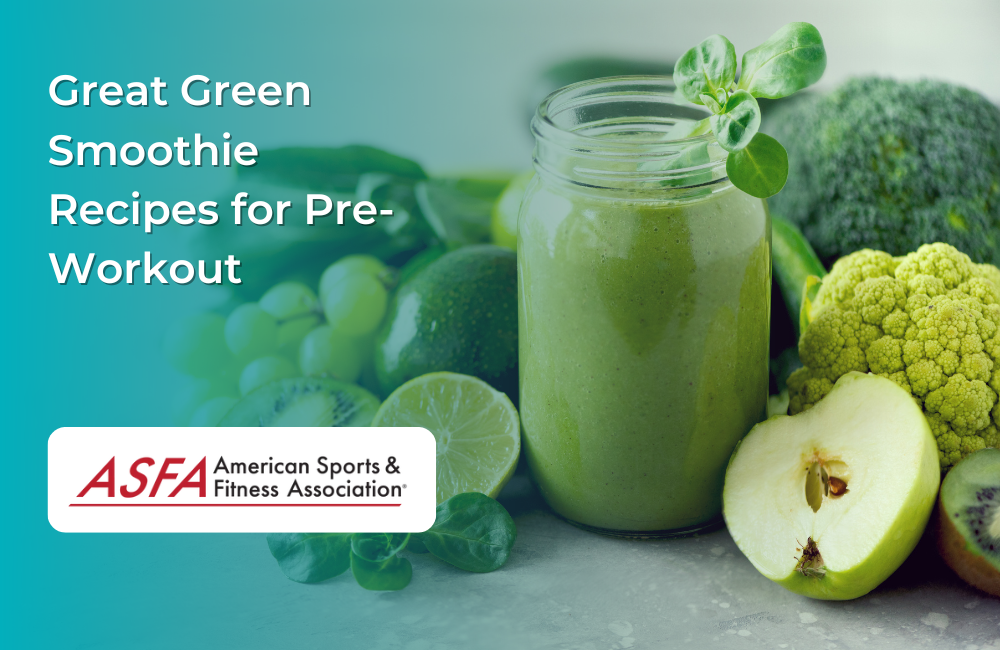
Great Green Smoothie Recipes for Pre-Workout
The clearest way to discuss Great Green Smoothie Recipes for Pre-Workout is to narrow the claims and state the practical limits plainly.
Technique is not a single perfect shape. It is a repeatable way to complete the movement while controlling the load, range, and positions that matter for the goal. That is where the details become useful.
A Necessary Safety Note
Exercise should be adjusted for the participant's experience, symptoms, environment, and available supervision. Stop for sharp pain, dizziness, chest discomfort, sudden weakness, or loss of control, and seek appropriate professional guidance when symptoms are persistent or concerning.
Enhances Hydration and Electrolyte Balance
- Ingredients like coconut water, spinach, and cucumber support hydration.
- Helps maintain electrolyte levels for endurance and muscle function.
Supports Muscle Performance and Recovery
- Protein sources such as Greek yogurt, nut butter, or seeds help muscle function.
- Leafy greens provide essential micronutrients for recovery.
The Benefits of Coconut Oil in Pre-Workout Smoothies
Coconut oil is a fantastic addition to your pre-workout smoothies, offering a range of health benefits that can enhance your exercise routine. Here’s why you should consider adding coconut oil to your smoothie recipe:
- Provides Healthy Fats: Coconut oil is rich in medium-chain triglycerides (MCTs), which are easily absorbed by the body and provide a quick source of energy. This makes it an excellent choice for fueling your workout.
- can increase short-term energy expenditure: The lauric acid in coconut oil has been shown to increase metabolism and enhance fat burning, helping you get the most out of your exercise session.
- Supports Immune Function: Coconut oil has antimicrobial properties that can help support your immune system and reduce inflammation, keeping you healthy and ready for your next workout.
- Enhances Endurance: The MCTs in coconut oil can help increase endurance and reduce fatigue, allowing you to push through your workouts with more energy.
Fruits for Energy
- Banana: Provides quick-digesting carbohydrates and potassium.
- Pineapple: Aids digestion and reduces inflammation.
- Mango: Offers natural sugars for sustained energy.
- Berries: Loaded with antioxidants and natural sweetness.
Healthy Fats and Protein
- Chia or flaxseed: Provide omega-3s and fiber.
- Nut butter: Adds healthy fats and protein for muscle support.
- Greek yogurt: Enhances protein content and creaminess.
Tropical Green Power Smoothie
- Kale
- Pineapple
- Mango
- Coconut water
- Flaxseeds
Refreshing and hydrating, this smoothie provides quick-digesting carbs and electrolytes for endurance.
Berry Green Protein Smoothie
- Swiss chard
- Mixed berries
- Greek yogurt
- Almond milk
- Hemp seeds
Rich in antioxidants and protein, this smoothie helps muscle function and recovery.
Tips for Making the Best Pre-Workout Green Smoothie
- Use frozen fruit to create a thick and refreshing texture.
- Avoid excess fiber to prevent digestive discomfort before exercise.
- Blend ingredients well for a smooth consistency.
- Adjust liquid amounts based on personal texture preference.
Tips for Beginners
If you’re new to making pre-workout smoothies, here are some tips to help you get started:
- Start with a Simple Recipe: Begin with a basic smoothie recipe that includes a few key ingredients like protein powder, fruit, and leafy greens. As you become more comfortable, you can experiment with different combinations and add more variety.
- Choose the Right Protein Powder: Select a protein powder that suits your dietary needs and preferences. Popular options include whey protein, pea protein, and other plant-based proteins.
- Don’t Forget the Greens: Leafy greens like spinach, kale, and collard greens are packed with nutrients that support muscle growth and recovery. Remember to include them in your smoothie for an added health boost.
- Experiment with Flavors: Try different flavor combinations to find one that you enjoy. You can add fruits, nuts, seeds, and spices to create a delicious and unique taste that keeps you coming back for more.
Meal Prep for Pre-Workout Smoothies
Meal prepping your pre-workout smoothies can save you time and ensure you’re getting the nutrients you need to fuel your workouts. Here are some tips for meal prepping your pre-workout smoothies:
- Prepare Your Ingredients: Chop your fruits and vegetables, measure out your protein powder and healthy fats, and store them in airtight containers. This makes it easy to blend a smoothie quickly when you need it.
- Make a Batch: Prepare a batch of smoothies on the weekend or a day off and store them in the fridge or freezer for up to 3 days. This ensures you always have a nutritious smoothie ready to go.
- Use a Smoothie Prep Container: Invest in a smoothie prep container that allows you to store and transport your smoothies easily. These containers are designed to keep your smoothie fresh and convenient to take on the go.
- Label and Date Your Smoothies: Label and date your smoothies so you know what you’re drinking and when it was made. This helps you keep track of freshness and ensures you’re consuming your smoothies at their best.
Before You Progress
Coach's note: Choose the variation that permits a stable setup and repeatable range. Add repetitions or resistance only while the same control is maintained; stop when pain or compensation changes the movement.
Where This Leaves the Decision
A sound plan does not need to look dramatic. It needs to be understandable, repeatable, and appropriate for the person using it.

Start With the Decision That Matters
Great Green Smoothie Recipes for Pre-Workout becomes more practical when the exercise choice, training dose, and progression method all point toward the same outcome.
Decide whether the priority is skill, strength, muscle development, mobility, work capacity, or general activity. That choice affects exercise order, range of motion, resistance, repetitions, rest, and frequency. A program becomes harder to evaluate when several goals are pursued in the same set without a clear priority.
Use Feedback to Choose the Next Step
Start with a version that allows a stable setup and repeatable range. Establish a baseline for repetitions, load, tempo, and perceived effort. Progress one element—such as another repetition, a small resistance increase, more range, or a more demanding variation—only when the prior version remains controlled. If technique changes early, recovery declines, or the target area is no longer doing the intended work, reduce the demand and rebuild from a clearer baseline.
Use Simple Evidence, Not Guesswork
Useful tracking can remain simple. Record:
- recovery, soreness, and performance in the next session
- repetitions completed with the intended technique
- load, range, tempo, and rest used
- perceived effort and how close the set came to technical failure
Use the record to make a decision: continue, progress, simplify, or replace the current approach. Data that never changes a decision is unnecessary.
Keep the Recommendation Proportional
Two people can use the same exercise for different reasons and need different versions. Training history, limb proportions, mobility, confidence, equipment, schedule, symptoms, and the rest of the program all affect the decision. Standardize the objective and the tracking method; individualize the setup and dose. That balance makes comparisons more useful without forcing every repetition to look identical.


