
Caliper vs Bioelectrical Impedance vs BMI: Pros & Cons
Caliper vs Bioelectrical Impedance vs BMI: Pros & Cons is not a contest with one winner. The better choice depends on the training goal, the person using it, and the tradeoffs that matter most.
Fitness advice becomes useful when it can be applied consistently. The best option is usually the one that fits the goal, equipment, experience, and recovery available. A simple rule helps: keep the goal visible and adjust the method.
Understanding Body Fat Measurement Methods
Before diving into the details of each method, it's essential to understand that body fat percentage is the proportion of your total body weight that is made up of fat. Knowing this percentage is important for evaluating your health because excess body fat can increase the risk of various diseases, including heart disease, diabetes, and certain cancers.
1. Skinfold Caliper Measurements
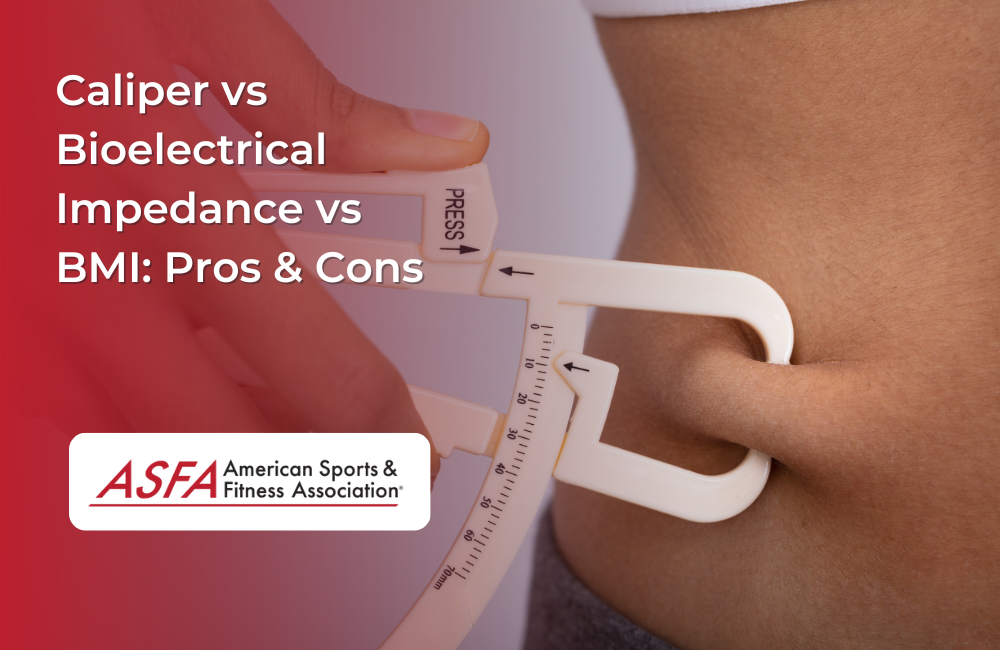
Skinfold caliper measurements are widely regarded as one of the most accurate and practical methods for estimating body fat percentage, especially in fitness and clinical settings. This method involves using a device called a skinfold caliper to measure the thickness of skinfolds at specific sites on the body, which are representative of overall body fat.
How Caliper Measurements Work:
- Process: The process involves pinching a fold of skin and subcutaneous fat (fat just under the skin) away from the underlying muscle with your thumb and index finger. The caliper is then placed around the pinched skinfold, and the thickness is measured in millimeters.
- Calculating Body Fat Percentage: The measurements are then plugged into equations or charts that estimate body fat percentage based on factors like age, gender, and the number of sites measured.
2. Bioelectrical Impedance Analysis (BIA)
Bioelectrical Impedance Analysis (BIA) is another popular method for estimating body fat percentage. BIA devices work by sending a low-level electrical current through the body and measuring the resistance (impedance) to the flow of the current.
How BIA Works:
- Process: The individual stands on a scale or holds a handheld device that sends a small, harmless electrical current through the body. The device measures the resistance to the electrical flow, which is influenced by the proportion of water in lean muscle versus fat tissue.
- Calculating Body Fat Percentage: The BIA device uses algorithms that consider age, gender, height, and weight, along with the impedance measurement, to estimate body fat percentage. More sophisticated devices may also provide additional data, such as muscle mass, body water content, and basal metabolic rate (BMR).
3. Body Mass Index (BMI)
Body Mass Index (BMI) is a widely used method to assess whether an individual has a healthy body weight for their height. It is calculated by dividing a person’s weight in kilograms by their height in meters squared (kg/m²).
How BMI Works:
- Calculation: The BMI formula is simple: BMI = weight (kg) / height (m²). This calculation provides a numerical value that places individuals into one of several categories: underweight (BMI < 18.
- Interpreting BMI: BMI is used as a general indicator of health risks related to body weight. A high BMI is associated with an increased risk of conditions such as heart disease, diabetes, and certain cancers.
Which Method is Best for Measuring Body Fat?
Choosing the best method for measuring body fat depends on several factors, including the level of accuracy required, the resources available, and personal preferences.
Calipers: The Gold Standard for Accuracy
Skinfold caliper measurements are considered the most accurate method for measuring body fat when performed correctly. This method provides detailed information on body composition by directly measuring subcutaneous fat thickness at specific anatomical sites.
Bioelectrical Impedance Analysis (BIA): A Convenient Option
BIA is a popular choice for those looking for a quick and non-invasive method to estimate body fat percentage. While BIA is generally less accurate than calipers and other advanced methods, it provides a convenient way to get a general idea of body composition.
Body Mass Index (BMI): Best for General Health Assessment
BMI is a useful tool for general health screening and assessing weight-related health risks across large populations. However, it does not provide specific information about body fat percentage or body composition.
How to Measure Body Fat: Choosing the Right Method
If you want to measure your body fat, you have several options:
- Skinfold Calipers: This manual method involves pinching subcutaneous fat at various body sites and measuring the thickness with a skinfold caliper. It is accurate and cost-effective but requires proper technique and some training to ensure consistent results.
- Bioelectrical Impedance Analysis (BIA): A non-invasive method that uses an electrical current to estimate body fat based on resistance. BIA is quick and easy but less accurate than calipers, particularly when influenced by hydration status and other external factors.
- Body Mass Index (BMI): A simple calculation based on height and weight that provides a general estimate of body fat. BMI is easy to use and accessible but does not differentiate between fat and muscle or provide detailed information about body composition.
Takeaway
If you’re looking for a quick and easy way to determine if you’re at a healthy weight, BMI is your best bet. However, if you need precise measurements, such as for athletic training, bodybuilding, or closely monitoring fitness progress, skinfold calipers or bioelectrical impedance analysis are recommended.
When deciding between methods, consider the importance of exact measurement for your health and fitness objectives. For the most accurate and reliable results, skinfold calipers are generally the preferred choice, while BIA offers a convenient alternative for those who prioritize ease of use.
The Useful Conclusion
Treat the method as a tool, not an identity. Keep what improves the plan and remove what does not.
Practical Guidance
Programming note: Use a starting workload that can be repeated with consistent technique. The most useful progression is often modest: an extra repetition, a small load increase, or slightly more total work.
Safety and Scope
Exercise should be adjusted for the participant's experience, symptoms, environment, and available supervision. Stop for sharp pain, dizziness, chest discomfort, sudden weakness, or loss of control, and seek appropriate professional guidance when symptoms are persistent or concerning.


