
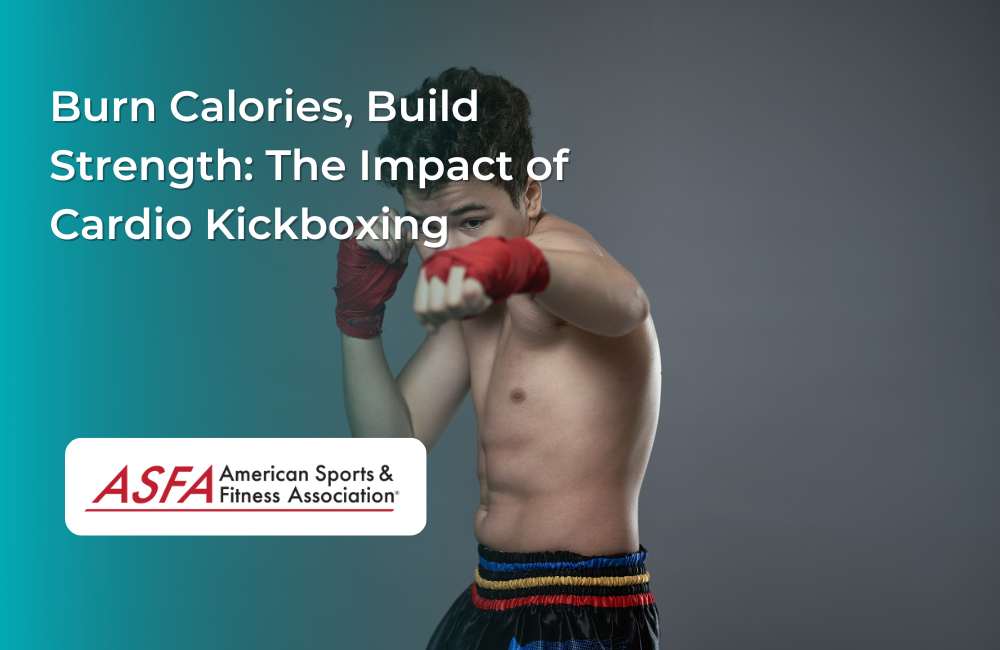
Burn Calories, Build Strength: The Impact of Cardio Kickboxing
Viewed practically, Burn Calories, Build Strength: The Impact of Cardio Kickboxing should change a decision in training, coaching, or day-to-day operations.
Martial arts and tactical fitness combine skill with physical preparation. Conditioning should support the task without replacing technical instruction. That is where the details become useful.
What is Cardio Kickboxing?
Cardio kickboxing is a high-energy workout that combines martial arts techniques with fast-paced cardio exercises. This dynamic fitness class is designed to challenge both beginners and elite athletes, helping to build stamina, improve coordination and flexibility, and burn calories while building lean muscle.
The Efficiency of Indoor Cycling: A Comprehensive Guide to Maximizing Your Workout
Indoor cycling classes have gained immense popularity—and for good reason. They offer a fun, challenging, and effective way to get fit, burn calories, and improve overall health.
Cycling: Burn Calories Efficiently
Indoor cycling is one of the most efficient ways to burn calories. Its flexibility and accessibility make it an attractive option for people of all fitness levels.
- Convenience and Flexibility: Indoor cycling can be done on your own schedule, whether at home or in a gym. This convenience allows you to fit workouts into your routine easily, ensuring consistency.
- Adaptability: You can adjust the intensity of your workout by changing the resistance on the bike or incorporating different cycling techniques. This adaptability means you can tailor your workout to your fitness level and goals.
Increased Caloric Burn
One of the biggest advantages of indoor cycling is the potential for a high caloric burn, especially when you increase the intensity of your workout.
- High Rate of Calorie Burn: Because you are constantly moving and can easily adjust the intensity, indoor cycling helps you burn calories at a high rate. The more intense the workout, the more calories you'll burn.
- Interval Training: Incorporating interval training—alternating between high-intensity bursts and lower-intensity recovery periods—can significantly increase your calorie burn. This method, known as HIIT (High-Intensity Interval Training), is particularly effective in indoor cycling.
Moderate to High-Intensity Workouts: A High Energy Workout
Indoor cycling classes typically combine moderate-intensity riding with short bursts of high-intensity effort. This combination makes for an effective workout that balances endurance and intensity.
- Sustained Effort: During moderate-intensity periods, you should be able to maintain your pace for at least 5 minutes without feeling like you're about to collapse. This helps build endurance and keeps your heart rate elevated.
- High-Intensity Intervals: Short bursts of high-intensity cycling challenge your cardiovascular system and push your muscles to their limits, contributing to increased calorie burn and improved fitness.
Faster Results with Lower Impact
Compared to other forms of cardio like running, indoor cycling offers a lower-impact workout that can still produce significant results.
- Efficiency: Indoor cycling can deliver faster results, such as improved cardiovascular fitness and calorie burn, with less impact on your joints. This makes it an ideal option for those with joint issues or those recovering from injury.
- HIIT for Faster Results: HIIT cycling workouts are particularly efficient at burning fat and maintaining lean muscle mass. They also have the added benefit of boosting metabolism for hours after the workout is complete, known as the afterburn effect or EPOC (Excess Post-exercise Oxygen Consumption).
Multiple Benefits of Cycling: Engage Multiple Muscle Groups
Cycling is more than just a calorie burner—it offers a range of physical and mental benefits.
- Calorie Burn: Cycling is a highly efficient way to burn calories. Depending on the intensity and duration of your workout, you can burn a significant number of calories, contributing to weight loss and improved fitness.
- Stress Relief: The rhythmic motion of cycling, combined with the endorphins released during exercise, can help reduce stress and improve your mood. Many people find cycling to be a form of meditation in motion.
- Physical Fitness: Cycling improves cardiovascular fitness, strengthens leg muscles, and enhances overall endurance. It's a comprehensive workout that benefits multiple aspects of your physical health.
Maximize Your Calorie Burn with HIIT
High-Intensity Interval Training (HIIT) on a bike is one of the most effective ways to maximize your workout in less time. HIIT workouts are designed to push your limits, which helps burn more calories during the workout and continues to burn calories after the workout is complete.
- EPOC (Excess Post-exercise Oxygen Consumption): After an intense workout, your body continues to burn calories as it returns to its resting state. This means you're burning more calories even after you've stepped off the bike.
- Muscle Mass Maintenance: HIIT workouts help maintain and even build muscle mass, which is important for a higher resting metabolic rate. More muscle mass means you'll burn more calories even when you're not working out.
Boost Your Metabolism and Physical Fitness with Cycling
Cycling, particularly HIIT cycling, has been shown to can increase short-term energy expenditure for hours after exercising. This is due to the EPOC effect, where your body continues to burn calories at an elevated rate as it recovers.
- Metabolic Boost: This metabolic boost is especially beneficial for those looking to lose weight or maintain a lean physique. The increased calorie burn after exercise helps create a greater calorie deficit, contributing to fat loss.
- Muscle Mass and Metabolism: The more muscle mass you have, the higher your resting metabolic rate. HIIT cycling helps maintain muscle mass, ensuring that your metabolism stays elevated even when you're not working out.
Time-Efficient Workouts with HIIT Cycling
One of the biggest advantages of HIIT cycling is its time efficiency. You can achieve significant fitness benefits in a shorter amount of time compared to traditional steady-state cardio.
- Short but Intense: HIIT cycling allows you to complete a highly effective workout in as little as 20-30 minutes. This makes it easier to fit exercise into a busy schedule without sacrificing results.
- Variety: By varying the intensity, resistance, and duration of your intervals, you can keep your workouts challenging and engaging, preventing burnout and keeping you motivated.
Essential Moves and Techniques
Cardio kickboxing involves a variety of essential moves and techniques that target multiple muscle groups, ensuring a comprehensive workout. Some of the most common moves include:
- Jab: A straight punch with the hand on the lead side of the body, targeting the upper body and core muscles.
- Cross: A straight punch from the trailing arm, engaging the upper body and core.
- Hook: A circular punch executed with the elbow at a 90-degree angle and the forearm parallel to the floor, working the upper body and core.
- Uppercut: A hooking motion that starts low and comes up, generally aimed at the opponent’s face, targeting the upper body and core.
- Front Kick: A kick that targets the legs, glutes, and core, providing a full lower body workout.
- Roundhouse Kick: A kick that targets the hips and thighs, engaging the lower body muscles.
Getting Started with Cardio Kickboxing Classes
Getting started with cardio kickboxing classes is easy and fun. Here are a few tips to help you get started:
- Find a Local Gym or Studio: Look for a gym or studio that offers cardio kickboxing classes. Many places offer trial classes, so you can see if it’s a good fit for you.
- Invest in Gear: A good pair of kickboxing gloves and hand wraps are essential for protecting your hands during the workout.
- Wear Comfortable Clothing: Choose clothing and shoes that are suitable for a high-energy workout. Breathable, moisture-wicking fabrics are ideal.
- Arrive Early: Get to class early to secure a good spot and warm up before the workout begins.
- Listen to the Instructor: Follow the instructor’s guidance throughout the class. They are there to help you get the most out of your workout.
- Ask Questions: Don’t be afraid to ask questions if you’re unsure about a move or need clarification.
Common Mistakes to Avoid in Cardio Kickboxing
Here are a few common mistakes to avoid in cardio kickboxing to ensure a safe and effective workout:
- Not Warming Up Properly: Always warm up before class to prepare your muscles and help manage injury risk.
- Ignoring the Instructor: Listen to the instructor and follow their guidance to ensure you’re using proper form and technique.
- Poor Form and Technique: Using improper form can lead to injury and reduce the effectiveness of your workout. Focus on executing moves correctly.
- Skipping Breaks: It’s important to take breaks when needed to avoid overexertion and stay hydrated.
- Neglecting Hydration: Drink water throughout the workout to stay hydrated and maintain performance.
- Skipping the Cool Down: Always cool down after class to help your muscles recover and prevent stiffness.
A Necessary Safety Note
Exercise should be adjusted for the participant's experience, symptoms, environment, and available supervision. Stop for sharp pain, dizziness, chest discomfort, sudden weakness, or loss of control, and seek appropriate professional guidance when symptoms are persistent or concerning.
Before You Progress
For instructors: Separate technical practice from conditioning when fatigue would compromise skill or partner safety. Protective equipment, supervision, and task-specific progression remain essential.
Where This Leaves the Decision
Keep the goal visible, make the smallest change that addresses it, and reassess before adding complexity.


