
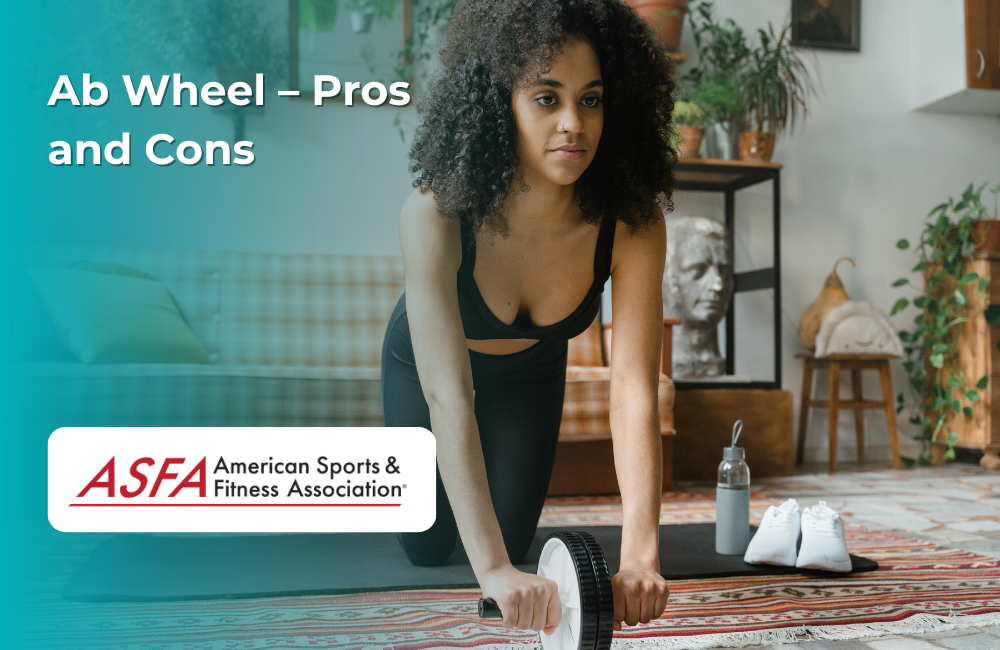
Ab Wheel: Pros & Cons
Choosing between two training options starts with the job each one needs to do. Ab Wheel: Pros & Cons is therefore a question of fit, not a search for an absolute winner.
Technique is not a single perfect shape. It is a repeatable way to complete the movement while controlling the load, range, and positions that matter for the goal. The practical question is how to use the information without overstating it.
Understanding Ab Wheels
An ab wheel is a simple yet highly effective training tool designed specifically for core exercises. It consists of a single wheel with handles on either side, allowing users to perform rolling movements that engage the abdominal muscles, particularly the rectus abdominis, external oblique, and transverse abdominis.
An ab wheel allows for a variety of exercises that target:
- abdominal muscles
- lower back
- arms
- shoulders
This versatility makes the ab wheel a valuable addition to any fitness routine, whether you’re a beginner or an advanced athlete.
The Science Behind Ab Wheels
Several studies highlight the effectiveness of ab wheels in engaging core muscles, including ab muscles. A 2004 study compared surface electromyographic activity using devices like the Ab Roller, along with traditional trunk curls.
Further research in 2006 involving 21 healthy adults confirmed that ab wheels significantly enhance core strength, making them an excellent choice for ab workouts. This study observed superior activation of the rectus abdominis and oblique muscles compared to traditional sit-ups.
Key Benefits of Using Ab Wheels
The benefits of an ab wheel are manifold and include core muscle strengthening, posture improvement, and lower back pain reduction. These benefits are achieved through regular ab wheel exercises that engage multiple muscle groups, promoting overall core strength and stability.
Strengthening Core Muscles
The ability of an ab wheel to engage a broad spectrum of muscles is one of its most notable benefits. It also engages the rotator cuff muscles, which are important for shoulder stabilization and mobility.
- Rectus abdominis
- Obliques
- Arms
- Shoulders
Using an ab wheel can engage up to 20 different muscles at once, including the abs, lats, and front deltoids.
This extensive engagement of multiple muscle groups not only enhances core strength and stability but also improves overall muscle coordination and endurance. By challenging stability and coordination, the ab wheel ensures that your entire core is being worked, making it an effective tool for building a strong and resilient core.
Improving Posture
Good posture is key to overall health and well-being, and the ab wheel can play a significant role in enhancing it. When you engage the muscles in your back during ab wheel exercises, you reinforce them, providing better support and alignment for the spine.
Also, ab wheel exercises improve shoulder stability by engaging and strengthening the muscles surrounding the shoulder joint. This combined strengthening of the back and shoulders leads to improved posture by ensuring proper alignment and support for the upper body.
Reducing Lower Back Pain
Ab wheel exercises can help mitigate the common problem of lower back pain. Regular use of ab wheels strengthens the core muscles, including the lower back, providing better support for the spine and reducing the risk of injury.
Regular inclusion of ab wheel exercises in your regimen can have several benefits, including:
- Substantially lessening lower back pain
- Enhancing overall core strength
- Improving your ability to perform daily activities with ease
- Reducing the likelihood of experiencing lower back issues in the future.
Best Practices for Using an Ab Wheel
Adhering to best practices is useful to reap the maximum benefits of using an ab wheel and evade potential injuries. This includes maintaining proper form, gradually increasing the intensity of your workouts, and avoiding common mistakes.
Proper Form
Maintaining the right form while using an ab wheel is essential to may help manage injury risk and does not by itself guarantee effective muscle engagement. Here are some tips to keep in mind:
- Ensure that your back remains in a neutral position.
- Keep your core tight throughout the movement.
- This helps in avoiding muscle strain and achieving optimal results.
Gradually Increasing Intensity
To continually challenge and engage your core muscles, it's useful to progressively intensify your ab wheel workouts. Here are some tips to help you do that:
- Start with a wider ab wheel for more stability if you're a beginner.
- Gradually transition to a single wheel ab roller as you gain strength and proficiency.
- This helps in ensuring ongoing development and core strength.
Common Mistakes to Avoid
Common mistakes to avoid when using an ab wheel include using a two-wheel ab roller for beginners, as it provides more stability.
Another consideration is that always ensure proper form and technique to minimize the risk of injury and maximize the effectiveness of your workouts. If you experience shoulder pain, seek medical advice and be cautious with shoulder movements during ab wheel exercises.
Choosing the Right Ab Wheel
Choosing the right ab wheel entails an evaluation of factors like:
- Wheel width: Wider wheels provide more stability and are suitable for beginners, while experienced users might prefer narrower wheels for a greater challenge.
- Handle comfort: Ergonomically designed handles that are cushioned and large enough for hands are important to prevent strain and injury.
- Weight capacity: Remember to choose an ab wheel that can support your body weight.
Considering these factors will help you find the perfect ab wheel for your fitness needs.
Case Studies and Testimonials
Real-life experiences from users highlight the effectiveness of ab wheels in improving core strength and muscle definition. Here is one user's experience with the ab wheel rollout:
- The user committed to 50 ab wheel rollouts daily for a week.
- Despite dealing with a rotator cuff injury, the user noticed improved core strength and shoulder stability.
- By the end of the week, the user's stomach felt stronger, and there was noticeable activation in the shoulders, six-pack muscles, and chest.
The Role of Diet and Other Exercises in Achieving Six-Pack Abs
The plan to six-pack abs transcends the use of ab wheels alone and necessitates a balanced mix of proper nutrition and diverse exercises. While ab wheels are effective in building strong core muscles, they need to be used in conjunction with a healthy diet to see optimal results.
In addition to ab wheel exercises, incorporating aerobic exercises and maintaining a long-term sustainable nutrition plan is important for reducing belly fat and achieving visible six-pack abs. Eating smaller, more frequent meals helps maintain energy levels and control portion sizes.
Safety and Scope
Exercise should be adjusted for the participant's experience, symptoms, environment, and available supervision. Stop for sharp pain, dizziness, chest discomfort, sudden weakness, or loss of control, and seek appropriate professional guidance when symptoms are persistent or concerning.
A Clear Bottom Line
Use the information to make one clear adjustment, then judge the result from repeatable performance rather than novelty.
Use It in Practice
A useful checkpoint: Choose the variation that permits a stable setup and repeatable range. Add repetitions or resistance only while the same control is maintained; stop when pain or compensation changes the movement.


