
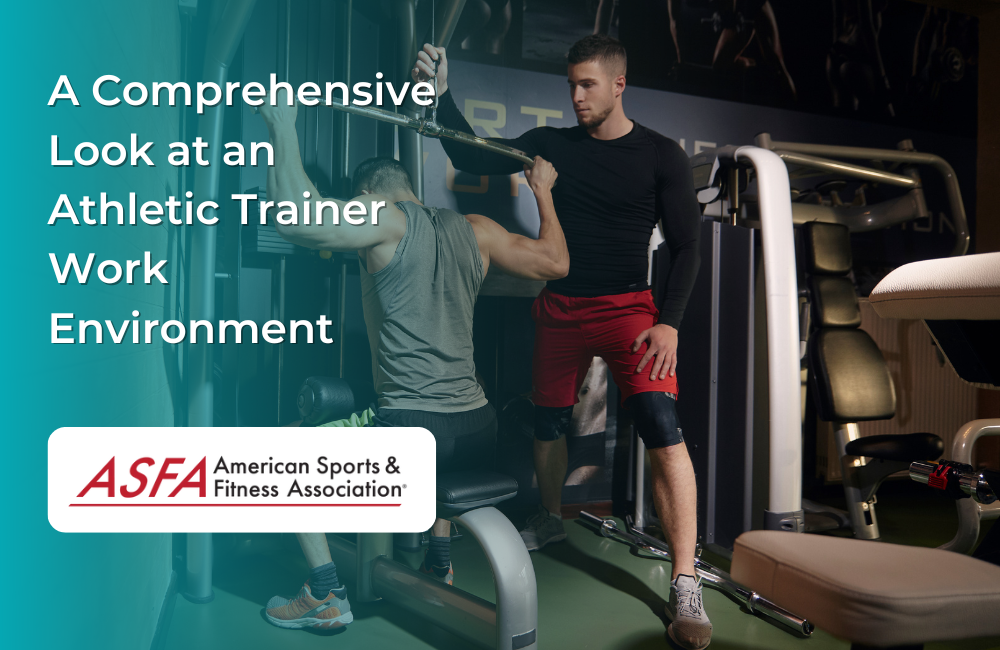
A Comprehensive Look at an Athletic Trainer Work Environment
There is more to A Comprehensive Look at an Athletic Trainer Work Environment than one rule. Context determines which details deserve attention.
Fitness advice becomes useful when it can be applied consistently. The best option is usually the one that fits the goal, equipment, experience, and recovery available. A simple rule helps: keep the goal visible and adjust the method.
Practical Guidance
Practical point: Use a starting workload that can be repeated with consistent technique. The most useful progression is often modest: an extra repetition, a small load increase, or slightly more total work.
Diverse Settings for Athletic Trainers
A variety of settings host the work of athletic trainers, each with its own set of challenges and rewards. One of the most common environments is educational institutions, where athletic trainers are essential to the success of sports programs.
- Cover practice sessions
- Attend home and away competitions
- Supervise athletic training students
- Sometimes even teach athletic training education classes.
Hospitals, fitness centers, and physicians’ offices also employ athletic trainers. Within these environments, they collaborate with other healthcare professionals to offer treatment and rehabilitation services, and they might also present workshops and educational programs on sports medicine.
Typical Work Hours
Although athletic trainers typically work full-time, their work hours can fluctuate greatly depending on the work environment. Those working with sports teams, One example: frequently work evenings, weekends, and travel extensively to cover sporting events.
In high schools, athletic trainers typically work long hours covering multiple sports. They may be required to attend after-school practices and competitions, often on evenings and weekends, especially in rural school districts.
On the other hand, athletic trainers working in clinic and industrial settings usually have more predictable work hours. Such environments foster a more standard schedule, favoring a healthier work-life balance in comparison to the rigorous schedules of those associated with sports teams.
Daily Responsibilities of an Athletic Trainer
As varied as their work environments are the daily responsibilities of an athletic trainer. Core duties include:
- Injury prevention
- Assessment
- Treatment
- Rehabilitation
Athletic trainers work to help injured athletes regain their strength, recover a full range of motion, and return to their sports as quickly and safely as possible through physical therapy. This encompasses carrying out orthopedic evaluations, implementing different treatments, and designing personalized rehabilitation programs.
Beyond direct patient care, athletic trainers also handle a range of administrative tasks. These responsibilities include:
Collaboration with Other Healthcare Providers
Collaboration is a cornerstone of effective athletic training. Athletic trainers frequently work alongside doctors, coaches, and other healthcare professionals to provide comprehensive care for injured athletes.
In many settings, athletic trainers operate within a medical model, reporting directly to a physician or an affiliated health center. This structure enhances opportunities for collaborative practice, allowing for seamless communication and coordinated care.
This collaborative environment benefits not only the athletes but also the healthcare providers involved. Collaborating enables them to exchange insights, devise more efficient treatment strategies, and cater to all facets of an athlete’s health.
Workplace Challenges and Rewards
The life of an athletic trainer is not without its challenges. Some common issues include:
- High workloads
- Stress
- Risk of burnout
- Long work hours
- Increased responsibilities
- Work-life balance conflicts
These challenges are particularly prevalent in collegiate settings where the athlete-to-trainer ratio can be overwhelming.
Notwithstanding these challenges, the gratification gained from being an athletic trainer is substantial. There is immense satisfaction in helping athletes recover from injuries and succeed in their sports.
Required Skills for Success
Achieving success in athletic training necessitates a distinctive mix of technical and interpersonal skills. Athletic trainers need a strong foundation in technical knowledge about the body, including subjects like:
- biology
- anatomy
- nutrition
- sports medicine
- kinesiology
This technical expertise is important for effective injury prevention, assessment, and treatment of muscle and bone injuries.
Interpersonal skills, which facilitate the connection between athletic trainers and their patients, hold equal importance. Empathy and compassion are useful for providing effective care, as they help build trust and rapport with athletes.
Advancement Opportunities
A multitude of career advancement opportunities awaits athletic trainers. With experience, assistant athletic trainers can move up to head athletic trainers or athletic directors.
Work Environment in Different Industries
A range of industries employ athletic trainers, each offering its unique work environment and responsibilities. In the military, athletic trainers help ensure military personnel are physically fit and capable of handling their duties.
In the performing arts, athletic trainers focus on treating and preventing injuries for dancers, musicians, and other performers. They work with both professional and collegiate-level performers, helping them maintain peak physical condition and avoid injuries that could jeopardize their careers.
Impact of Location on Work Environment
The location can have a substantial impact on the compensation and job opportunities available for athletic trainers. These regional differences affect not only salary but also job availability and competition.
Technological Tools in Athletic Training
A range of technological tools are at the disposal of athletic trainers to prevent and treat injuries. Common tools include athletic tape, bandages, and scissors, essential for immediate injury management.
Rehabilitation tools like resistance bands and elastic wraps are also staples in an athletic trainer's toolkit. These tools aid in the recovery process, helping athletes regain strength and mobility.
The use of these tools underscores the importance of staying updated with the latest technological advancements in sports medicine. By leveraging these tools effectively, athletic trainers can provide the best possible care for their athletes.
The Useful Conclusion
The best application is specific enough to guide action and flexible enough to change when the person or circumstances change.
Safety and Scope
Exercise should be adjusted for the participant's experience, symptoms, environment, and available supervision. Stop for sharp pain, dizziness, chest discomfort, sudden weakness, or loss of control, and seek appropriate professional guidance when symptoms are persistent or concerning.

Give the Idea a Clear Job
The guidance in A Comprehensive Look at an Athletic Trainer Work Environment becomes more reliable when assumptions are made visible and the plan can be adjusted from feedback.
Write the objective in plain language and choose one or two indicators that would show progress. Avoid adding complexity before the basic action is being performed consistently. A useful framework should make the next decision easier, not create more tasks than the person can reasonably manage.
Individual Context Still Matters
Experience, resources, schedule, environment, preferences, and competing priorities can all change the best application. Use the principle as a starting point and adjust the method. A recommendation is more useful when it acknowledges the conditions required for it to work.
Keep the Application From Drifting
- Treating a general guideline as a universal rule.
- Changing several variables and then assigning credit to one of them.
- Measuring what is easy rather than what is connected to the goal.
- Adding complexity before the basic action is consistent.
The goal is not perfect control of every variable. It is enough consistency to make an informed next decision.


