
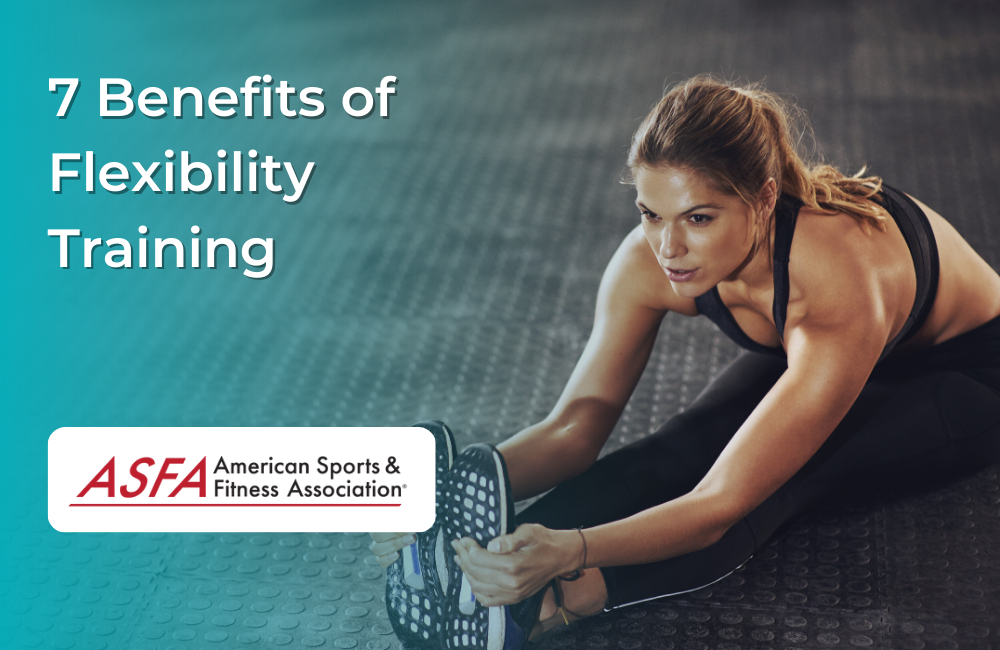
7 Benefits of Flexibility Training You Didn't Know About
The points in 7 Benefits of Flexibility Training You Didn't Know About are organized around practical application rather than exaggerated promises.
A stretch can be useful without being extreme. The goal is controlled motion that fits the person and the activity that follows. There is room for individual preference, provided the basic constraints are respected.
How to Apply It
Keep in mind: Use a range that creates tension without sharp pain, numbness, or loss of control. Longer or deeper is not automatically better; progress should be based on repeatable motion and the demands of the activity.
When to Modify or Stop
Exercise should be adjusted for the participant's experience, symptoms, environment, and available supervision. Stop for sharp pain, dizziness, chest discomfort, sudden weakness, or loss of control, and seek appropriate professional guidance when symptoms are persistent or concerning.
What is Flexibility Training?
Flexibility training is a type of exercise that focuses on increasing the range of motion of specific muscle groups, connective tissues, and joints. It involves a combination of stretching exercises, movements, and techniques designed to improve flexibility, balance, and overall physical fitness.
1. Decreases Risk of Injury
One of the most significant benefits of flexibility training is its ability to decrease the risk of injury. Stretching should not be done on cold muscles; a proper warm-up is essential to help manage injury risk.
- How It Works: Flexibility exercises lengthen tight muscle fibers, making them more pliable and reducing the chance of overuse injuries.
- Practical Application: Athletes who engage in sports requiring sudden movements—like basketball, tennis, or soccer—benefit significantly from regular stretching, as it helps them adapt to rapid direction changes and high-impact movements.
- Everyday Impact: Even for non-athletes, flexibility training reduces the likelihood of injuries caused by simple activities like bending, lifting, or reaching for objects.
2. Improves Range of Motion
Improving your range of motion (ROM) is important for better movement quality and functional fitness. ROM refers to how far a joint can move in its specific direction.
- Key Benefits: - Better Performance: A wider ROM enables athletes to execute their movements with precision, whether it’s a high kick in martial arts or a deep squat in weightlifting.
- Injury Prevention: Limited ROM often forces other parts of the body to compensate, increasing the risk of injury.
- Improved Functional Movements: Tasks like bending down to tie your shoes or lifting heavy objects become easier and safer when you have a full range of motion.
3. Reduces Stress and Tension
Flexibility training isn’t just about physical benefits—it also has a profound impact on mental well-being. Stretching and mobility exercises help alleviate stress and tension, which often accumulate in the body as muscle tightness.
- Physiological Effects:
- Stretching reduces the production of cortisol, the body’s primary stress hormone.
- It promotes relaxation by stimulating the parasympathetic nervous system, which counteracts the fight-or-flight response.
- Mental Health Boost: Practices like yoga and mindful stretching combine flexibility work with breath control and meditation, creating a holistic approach to reducing anxiety and improving emotional balance.
- Posture Correction: Many people carry tension in their shoulders, neck, and lower back due to prolonged sitting or poor posture. Flexibility training can release this tension, leaving you feeling lighter and more at ease.
4. Aids in Weight Loss
While flexibility training doesn’t burn as many calories as cardio or strength training, it plays a supportive role in weight loss by enhancing your overall fitness routine.
- Maximized Workouts: Improved flexibility allows for better exercise form, ensuring that you’re engaging the right muscles during workouts. This efficiency translates to better results in less time.
- Increased Motivation: Stretching reduces post-workout soreness, which can make it easier to stick to your exercise routine without feeling discouraged.
- Stress Management: As stress often leads to emotional eating, flexibility training’s ability to reduce tension can indirectly support healthier eating habits and weight management.
6. Promotes Better Sleep
If you struggle with poor sleep, incorporating flexibility training into your routine might be the solution you need. Stretching helps relax the body and calm the mind, making it easier to unwind before bed.
- Relaxation Response: Gentle stretching reduces muscle tension and encourages deeper breathing, which signals your body to prepare for rest.
- Pain Relief: Stretching alleviates stiffness in areas like the lower back or hips, making it easier to find a comfortable sleeping position.
- Routine Benefits: Creating a consistent pre-bedtime stretching routine can improve sleep hygiene and enhance overall sleep quality.
7. Improves Mental Health
Flexibility training isn’t just a physical endeavor—it also nurtures mental well-being. The mind-body connection fostered through stretching and mobility work can lead to profound emotional benefits.
- Mindfulness Practice: Stretching encourages you to focus on your body and breath, creating a meditative experience that promotes mental clarity and reduces anxiety.
- Mood Elevation: Regular stretching increases endorphin production, boosting your mood and helping combat depression.
- Confidence Boost: As you become more flexible, you may notice improved posture and ease of movement, which can enhance self-esteem and body image.
Supports Healthy Posture and Balance
Flexibility training and stretching exercises play an important role in improving posture and balance. By increasing the range of motion in your muscles and joints, regular stretching can help alleviate muscle tension and enhance overall physical fitness.
Enhances Athletic Performance
Flexibility training can significantly enhance athletic performance by increasing the range of motion, reducing muscle soreness, and improving overall physical fitness. Dynamic stretching, in particular, is highly effective in preparing muscles for physical activity, making it an essential component of any warm-up routine.
Incorporating Flexibility Training into Your Routine
To maximize the benefits of flexibility training, consistency is key. Here’s how to make it a regular part of your fitness plan:
- Daily Stretching: Spend 5–10 minutes each day stretching key muscle groups. It is important to warm up before starting an exercise session with aerobic activities and range of motion movements.
- Dynamic Warm-Ups: Use dynamic stretches before workouts to prepare your body for movement.
- Post-Workout Cooldowns: Include static stretches after exercise to reduce soreness and enhance recovery.
- Dedicated Sessions: Consider adding a weekly yoga or Pilates class to your routine for a deeper focus on flexibility and mindfulness.
Creating a Personalized Flexibility Training Program
Creating a personalized flexibility training program involves several key steps. First, it’s essential to consult with a physical therapist or doctor, especially if you have any health concerns or chronic conditions.
Next-Step Perspective
Good coaching leaves room for feedback. If the response does not match the goal, adjust the dose, range, exercise, or expectation.


