5 Optimal Aesthetic Physique Workout Ideas
The points in 5 Optimal Aesthetic Physique Workout Ideas are organized around practical application rather than exaggerated promises.
Physique training rewards consistency, but it also invites shortcuts and overconfident claims. The practical details matter more than the hype. The next sections turn that principle into specific decisions.
Understanding Aesthetic Physique
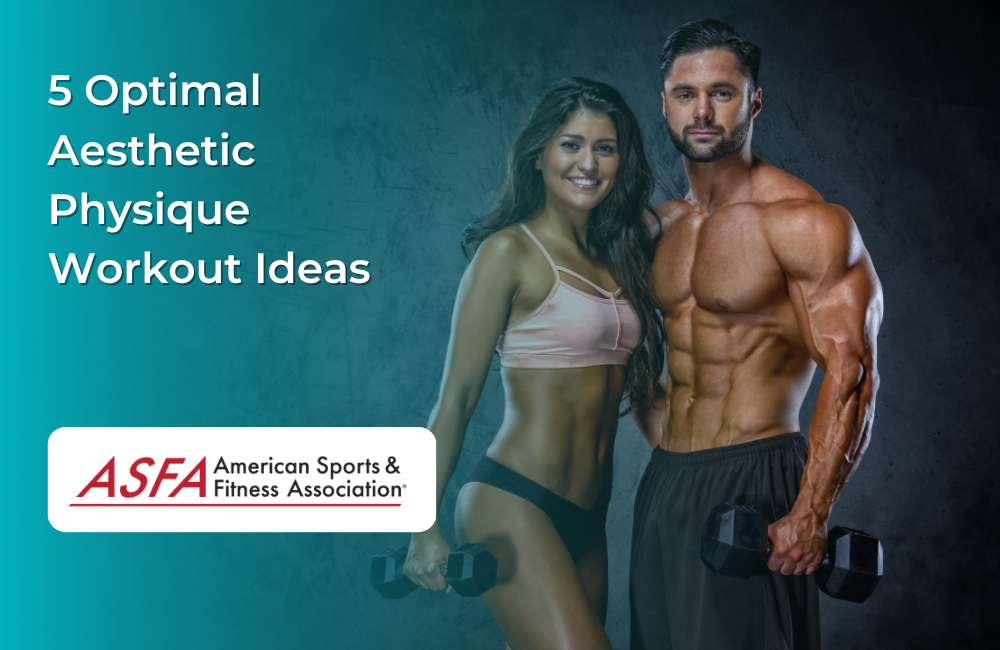
An aesthetic physique is characterized by a balanced and visually pleasing combination of muscle size, definition, and symmetry. It involves maintaining a low body fat percentage to enhance muscular definition and visual appeal.
1. Full-Body Functional Training
A full-body functional training routine combines compound exercises with functional movements to enhance overall strength, athleticism, and aesthetics. This type of workout is excellent for individuals looking to build lean muscle while improving functional fitness.
Benefits of Full-Body Functional Training:
- Improved Muscle Symmetry: Engages all major muscle groups, promoting balanced development.
- Enhanced Functional Fitness: Incorporates movements that mimic daily activities, improving overall athleticism.
- Efficient Fat Loss: High-intensity compound movements burn more calories, aiding in fat loss.
- Squats: 3 sets of 8-10 reps Focus on maintaining proper form and depth to engage the glutes and quadriceps fully.
- Deadlifts: 3 sets of 8-10 reps Use a moderate weight to ensure a controlled lift, focusing on the hamstrings and lower back.
- Push-Ups: 3 sets of 10-12 reps Keep your body in a straight line from head to heels, engaging the core and chest muscles.
- Pull-Ups: 3 sets of 8-10 reps Perform with a full range of motion, ensuring the chin clears the bar for maximum lat engagement.
- Dumbbell Lunges: 3 sets of 10-12 reps per leg Step forward with each leg, ensuring the knee does not go past the toes to protect the joints.
2. Push-Pull Split
A push-pull split focuses on dividing your workouts into push exercises that target the chest, shoulders, and triceps, and pull exercises that target the back and biceps. This split allows for optimal muscle recovery and growth, helping you build muscle effectively.
Benefits of Push-Pull Split:
- Balanced Muscle Development: Targets complementary muscle groups on different days, ensuring balanced growth.
- Reduced Risk of Overtraining: Provides ample recovery time for each muscle group, reducing the risk of overtraining.
- Enhanced Strength Gains: Focused workouts allow for lifting heavier weights, promoting strength gains.
3. Upper-Lower Split
An upper-lower split is a versatile workout routine that targets the upper body and lower body on separate training days. This split allows for focused training and ample recovery.
Benefits of Upper-Lower Split:
- Focused Training: Allows for more targeted and intense workouts for each muscle group.
- Better Recovery: Each muscle group gets ample time to recover, reducing the risk of injury.
- Variety in Workouts: Keeps workouts varied and interesting, preventing boredom.
Sample Workout (Upper Body):
- Bench Press: 4 sets of 8-10 reps Ensure proper form and avoid bouncing the bar off your chest to help manage injury risk.
- Pull-Ups: 4 sets of 8-10 reps Incorporate different grips to work various muscle groups in the back.
- Overhead Press: 3 sets of 8-10 reps Engage the core and keep the movement slow and controlled.
- Seated Rows: 3 sets of 10-12 reps Squeeze the shoulder blades together at the peak of the movement for maximum engagement.
- Dumbbell Curls: 3 sets of 10-12 reps Perform the curls slowly, focusing on the contraction and extension of the biceps.
4. High-Volume Hypertrophy Training to Support Muscle Growth
High-volume training is designed to maximize muscle hypertrophy (growth) by increasing the number of sets and repetitions. It’s an ideal approach for those looking to sculpt their physique, increase muscle size, and enhance lean muscle mass for aesthetics.
Benefits of High-Volume Hypertrophy Training:
- Increased Muscle Size: High volume stimulates muscle fibers, promoting growth.
- Enhanced Muscle Definition: More repetitions help in achieving better muscle definition.
- Improved Muscular Endurance: Increased volume builds endurance, beneficial for overall fitness.
- Squats: 5 sets of 8-10 reps Use a challenging weight while maintaining form and depth.
- Bench Press: 5 sets of 8-10 reps Incorporate a spotter for safety and push to near failure for muscle growth.
- Barbell Rows: 5 sets of 8-10 reps Maintain a flat back and pull towards the lower chest to target the lats.
- Dumbbell Shoulder Press: 4 sets of 10-12 reps Use a controlled motion, avoiding locking out the elbows.
- Leg Press: 4 sets of 10-12 reps Push through the heels and avoid locking the knees at the top.
5. Circuit Training for Conditioning and Aesthetic Physique
Circuit training combines strength exercises with cardiovascular elements to help you lose fat while building muscle definition. It’s an effective way to sculpt your physique and improve overall fitness.
Benefits of Circuit Training:
- Efficient Fat Loss: Combines strength and cardio, maximizing calorie burn.
- Improved Cardiovascular Health: Incorporates high-intensity intervals, boosting heart health.
- Enhanced Muscle Definition: Promotes muscle toning and definition through varied exercises.
Perform each exercise consecutively with minimal rest between exercises. Rest for 1-2 minutes after completing the entire circuit.
- Push-Ups: 12 reps Focus on maintaining a straight body line and fully extending the arms.
- Bodyweight Squats: 15 reps Keep the chest up and sit back into the hips to engage the glutes and quads.
- Dumbbell Lunges: 10 reps per leg Step forward with control, ensuring the knee stays behind the toes.
- Plank: Hold for 30 seconds Engage the core and maintain a straight line from head to heels.
- Burpees: 10 reps Perform with a controlled pace to maintain form and help manage injury risk.
Additional Tips for Aesthetic Training
- Progressive Overload: Continuously challenge yourself by increasing weights, reps, or intensity over time to ensure consistent muscle growth and improvement.
- Nutrition: Aesthetic goals are closely tied to nutrition. Consume a balanced diet with adequate protein, carbohydrates, and healthy fats to support muscle growth and recovery.
- Rest and Recovery: Ensure you get enough sleep and allow your muscles to recover between workouts. Incorporate rest days and listen to your body to avoid overtraining.
- Consistency: Consistency is key in achieving aesthetic goals. Stick to your workout routine and nutrition plan for long-term success.
- Hydration: Stay well-hydrated to support overall health and muscle function. Aim for at least 8 glasses of water a day, more if you are engaging in intense workouts.
Programming Considerations
Practical point: Use contest-preparation tactics only when they have a defined purpose and qualified oversight. Rapid changes to fluids, electrolytes, energy intake, or supplements can carry risk and should not be treated as routine fat-loss advice.
The Practical Takeaway
The best application is specific enough to guide action and flexible enough to change when the person or circumstances change.