
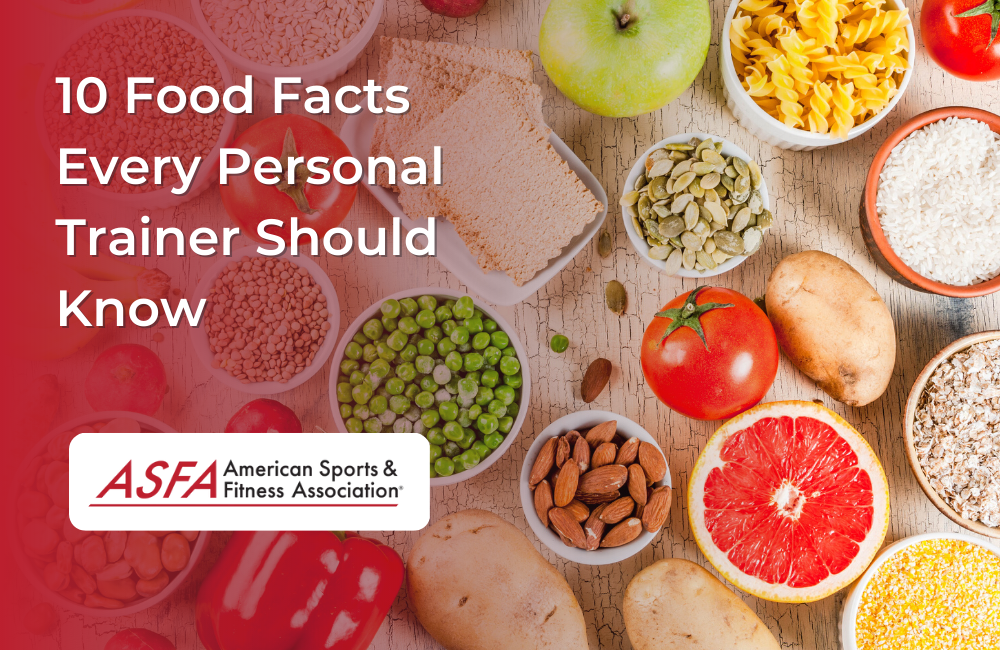
10 Food Facts Every Personal Trainer Should Know
10 Food Facts Every Personal Trainer Should Know covers several ideas, but they do not all carry the same weight. Start with the points that affect execution and consistency.
Personal training works best when the program is clear enough to follow and flexible enough to change. Small setup choices can change the experience considerably.
When to Modify or Stop
Exercise should be adjusted for the participant's experience, symptoms, environment, and available supervision. Stop for sharp pain, dizziness, chest discomfort, sudden weakness, or loss of control, and seek appropriate professional guidance when symptoms are persistent or concerning.
1. The Role of Protein in Muscle Growth and Recovery
Protein is the foundation for muscle repair, recovery, and growth. After a workout, muscles experience small tears that need to be repaired to grow stronger.
- Key Sources: Lean meats (chicken, turkey, fish), eggs, dairy products, and plant-based options like tofu, lentils, and quinoa.
- Optimal Intake: Trainers should recommend clients consume 0. 8–1.
- Timing Matters: Consuming 20–30 grams of protein within 30 minutes post-workout optimizes muscle protein synthesis.
Example: A post-workout smoothie with Greek yogurt, a scoop of whey protein, and fruit is an excellent recovery option.
2. Carbohydrates: The Primary Energy Source
Carbohydrates fuel the body, making them essential for physical activity. They are broken down into glucose, providing the energy needed for workouts and daily functions.
- Complex Carbs: Whole grains, sweet potatoes, fruits, and vegetables offer sustained energy and are packed with fiber and nutrients.
- Simple Carbs: Refined sugars and white bread cause energy spikes and crashes; they should be consumed sparingly.
- Carb Timing: Encourage clients to consume carbohydrates before and after workouts. Pre-workout carbs provide energy, while post-workout carbs replenish glycogen stores.
3. The Importance of Healthy Fats
Fats are essential for hormone regulation, brain health, and long-term energy. While some fats, such as saturated fats, can harm health, healthy fats are beneficial and should be part of a balanced diet.
- Healthy Fat Sources: Avocados, olive oil, nuts, seeds, and fatty fish like salmon and mackerel.
- Omega-3 Fatty Acids: Found in fish and flaxseeds, these fats reduce inflammation and support joint health.
- Moderation is Key: Fats are calorie-dense, so portion control is essential to avoid excess calorie consumption.
4. Hydration: The Silent Performance Enhancer
Proper hydration is useful for muscle function, temperature regulation, and overall performance.
- Daily Water Needs: Recommend half an ounce to an ounce of water per pound of body weight daily.
- Pre-Workout Hydration: Drinking 16–20 ounces of water an hour before exercise can improve performance.
- During Workouts: Suggest sipping water every 15–20 minutes, especially during high-intensity sessions.
Fact: Even mild dehydration can decrease performance and lead to fatigue.
6. Pre- and Post-Workout Nutrition
What clients eat before and after workouts can significantly impact performance and recovery.
- Pre-Workout: Purpose: Provide energy and prevent fatigue.
- Ideal Foods: A combination of carbs and moderate protein, such as oatmeal with a banana.
- Purpose: Replenish glycogen and support muscle repair.
- Ideal Foods: Protein-rich foods paired with carbs, like grilled chicken with sweet potatoes.
Timing Matters: Encourage eating within 30–60 minutes post-workout for optimal recovery.
7. Timing and Frequency of Meals
Meal timing plays a critical role in maintaining energy levels and supporting muscle recovery.
- Frequent Meals: Eating every 3–4 hours prevents hunger and sustains energy.
- Pre-Sleep Snacks: A light protein-based snack like cottage cheese can aid overnight muscle repair.
- Avoid Overeating Before Workouts: Heavy meals close to exercise can cause discomfort.
Pro Tip: Suggest smaller, balanced meals to keep energy steady throughout the day.
8. The Power of Antioxidants
Antioxidants combat oxidative stress caused by intense physical activity, reducing inflammation and enhancing recovery.
- Top Antioxidant Foods: Berries, dark chocolate, nuts, green tea, and spinach.
- Benefits: Antioxidants support immune health, improve recovery, and protect cells from damage.
- Integration: Encourage clients to include antioxidant-rich foods in every meal.
Fun Fact: A handful of blueberries post-workout can accelerate recovery by reducing muscle soreness.
9. Caffeine as a Performance Booster
Caffeine can enhance focus, stamina, and performance when used appropriately.
- Pre-Workout Boost: 100–200 mg of caffeine 30 minutes before exercise can improve endurance and alertness.
- Know the Limits: Excessive caffeine can lead to jitters, dehydration, and sleep disturbances.
- Alternative Sources: Green tea and dark chocolate provide milder caffeine doses.
Tip: Suggest clients monitor their caffeine tolerance and avoid consuming it late in the day.
10. Individualized Nutrition Plans
Every client is unique, and their dietary needs depend on factors like age, activity level, and goals. Promoting healthy diets through individualized nutrition plans is essential to ensure balanced and diversified nutrition.
- Customization is Key:
- Athletes may require higher carb and protein intakes.
- Weight loss clients may benefit from portion control and calorie tracking.
- Consider Restrictions: Be mindful of allergies, dietary preferences, and cultural practices.
- Collaboration: When necessary, refer clients to registered dietitians for tailored nutrition advice.
11. Eating Fresh Fruit for Optimal Health
Eating fresh fruit is an essential part of a healthy diet. Fresh fruit is packed with vitamins, minerals, and antioxidants that can help protect against chronic diseases such as heart disease, diabetes, and certain cancers.
Some of the key benefits of eating fresh fruit include:
- High in Fiber: Promotes digestive health and supports healthy blood sugar levels.
- Rich in Antioxidants: Protects against cell damage and reduces inflammation.
- Low in Calories: An ideal snack for those trying to manage their weight.
- Supports Bone Health: Many fruits are rich in calcium and vitamin K.
13. Mindful Eating and Portion Control
Mindful eating and portion control are essential for maintaining a healthy weight and overall health. Here are some tips for practicing mindful eating and portion control:
- Eat Slowly and Savor Your Food: Take time to enjoy each bite, which can help you recognize when you’re full.
- Pay Attention to Hunger and Fullness Cues: Listen to your body to avoid overeating.
- Use a Food Diary: Track your eating habits to identify patterns and areas for improvement.
- Eat Regular Meals and Snacks: This helps prevent overeating and keeps energy levels stable.
- Use a Plate to Gauge Portion Sizes: Visualize appropriate portion sizes to avoid overeating.
- Avoid Eating in Front of Screens: Focus on your meal to enhance the eating experience and prevent mindless eating.
14. The Role of Calcium in Bone Health
Calcium is an essential nutrient for maintaining strong bones and teeth. Here are some of the key benefits of calcium for bone health:
- Supports Bone Growth and Development: Essential during childhood and adolescence.
- Maintains Bone Density: Reduces the risk of osteoporosis and fractures.
- Essential for Muscle and Nerve Function: Plays an important role in muscle contraction and nerve signaling.
- Reduces the Risk of Osteoporosis: Helps maintain bone strength in older adults.
15. The Benefits of a Balanced Gut Microbiome
A balanced gut microbiome is essential for maintaining overall health and well-being. Here are some of the key benefits of a balanced gut microbiome:
- Supports Immune System Function: Reduces the risk of illness and infections.
- Maintains Healthy Digestion: Reduces symptoms of irritable bowel syndrome and other digestive issues.
- Produces Vitamins and Hormones: Essential for overall health and well-being.
- Reduces the Risk of Chronic Diseases: Can help lower the risk of heart disease and diabetes.
16. The Impact of Food on Mental Health
Food can have a significant impact on mental health, with some foods supporting mental well-being and others exacerbating symptoms of anxiety and depression. Here are some of the key ways that food can impact mental health:
- Supports Brain Function and Development: Essential nutrients promote cognitive health.
- Reduces Symptoms of Anxiety and Depression: Certain foods can have a calming effect.
- Produces Neurotransmitters: Nutrients are essential for producing serotonin and dopamine.
- Reduces Inflammation and Oxidative Stress: Helps prevent mental health disorders.
Put It Into Practice
A sound plan does not need to look dramatic. It needs to be understandable, repeatable, and appropriate for the person using it.
Important Boundaries
Coach's note: Document the goal, starting point, progression rule, and reason for each major exercise choice. Reassessment should change the program when the evidence from training no longer supports the original plan.


